Large Byzantine Empire Bronze Coin
History of the Artifact
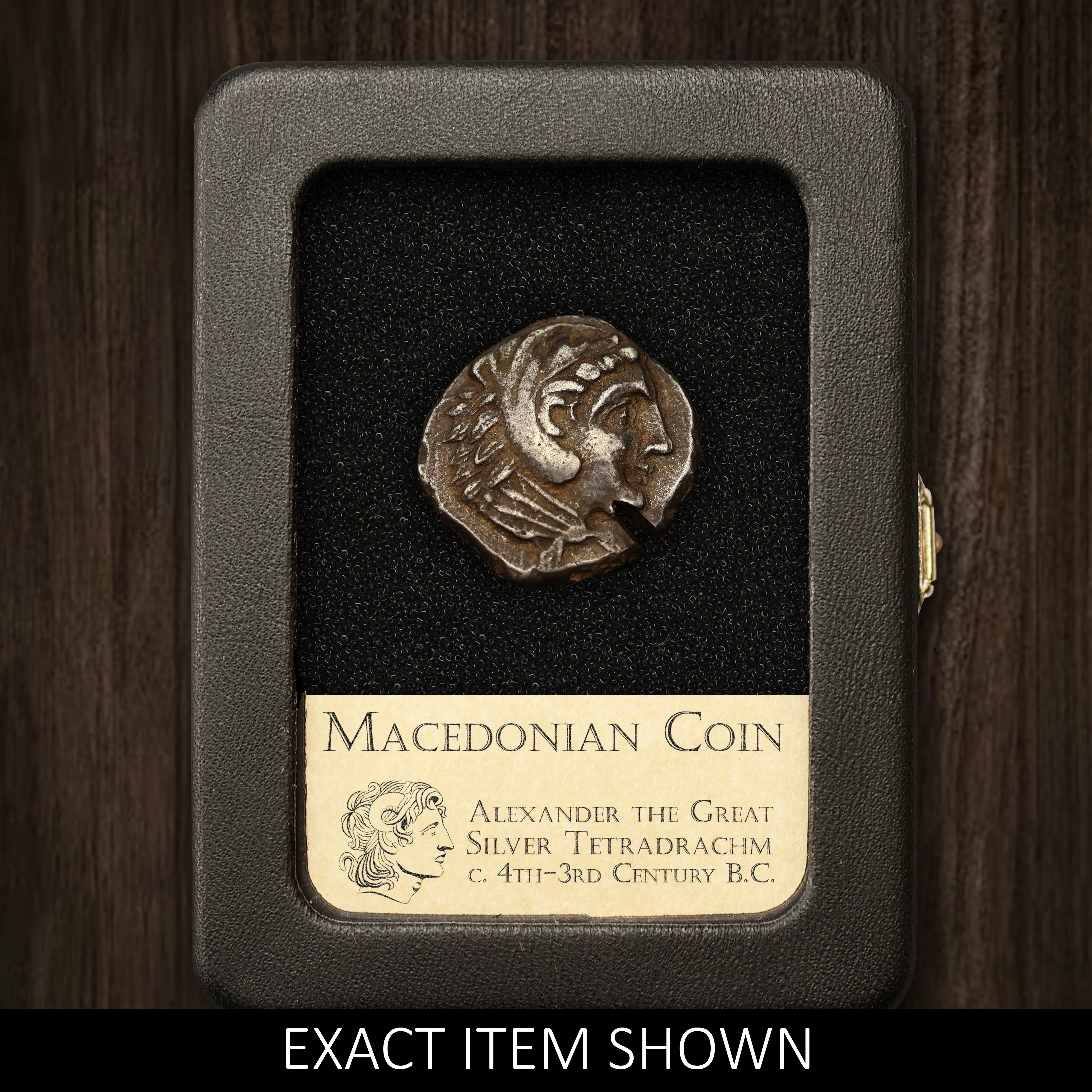
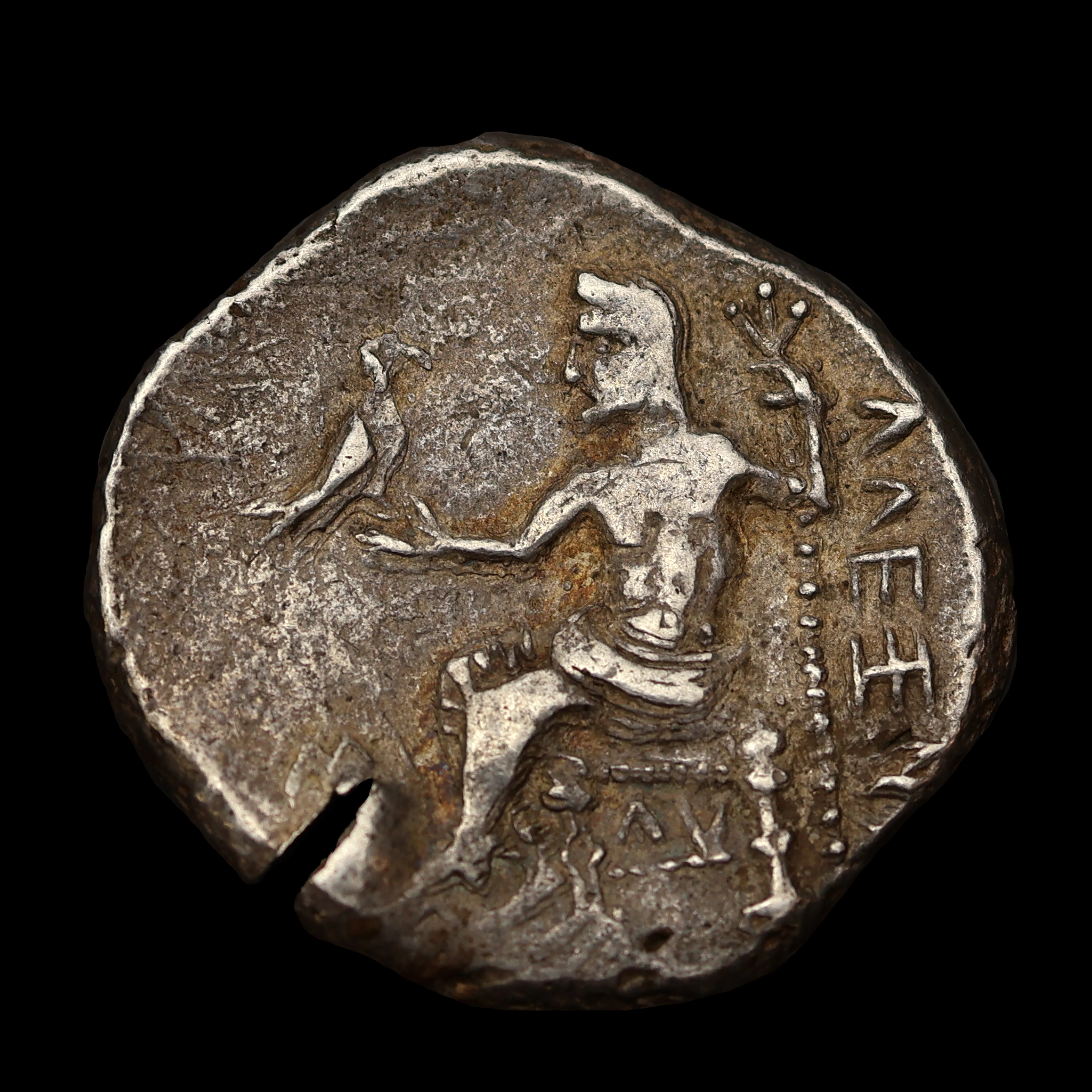
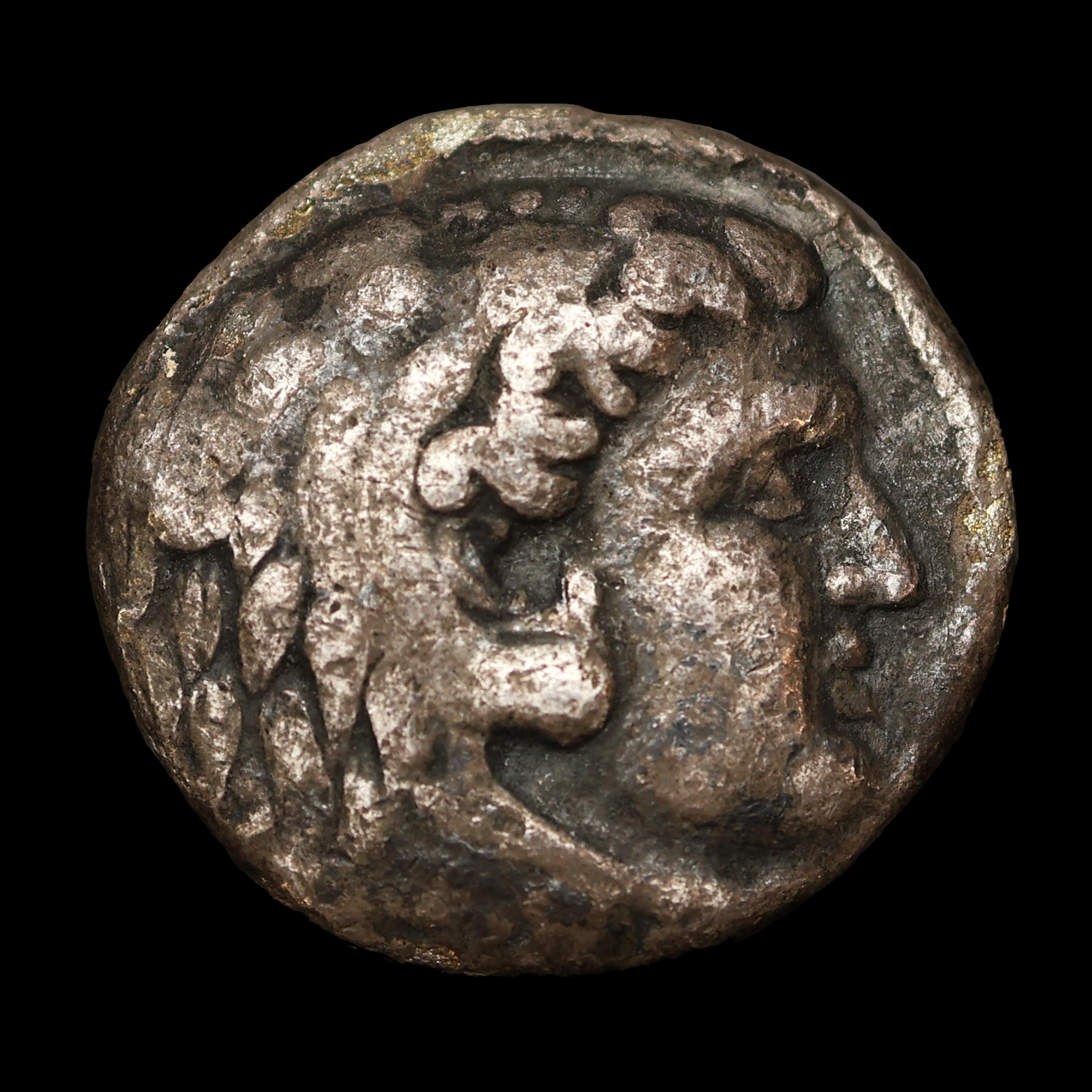
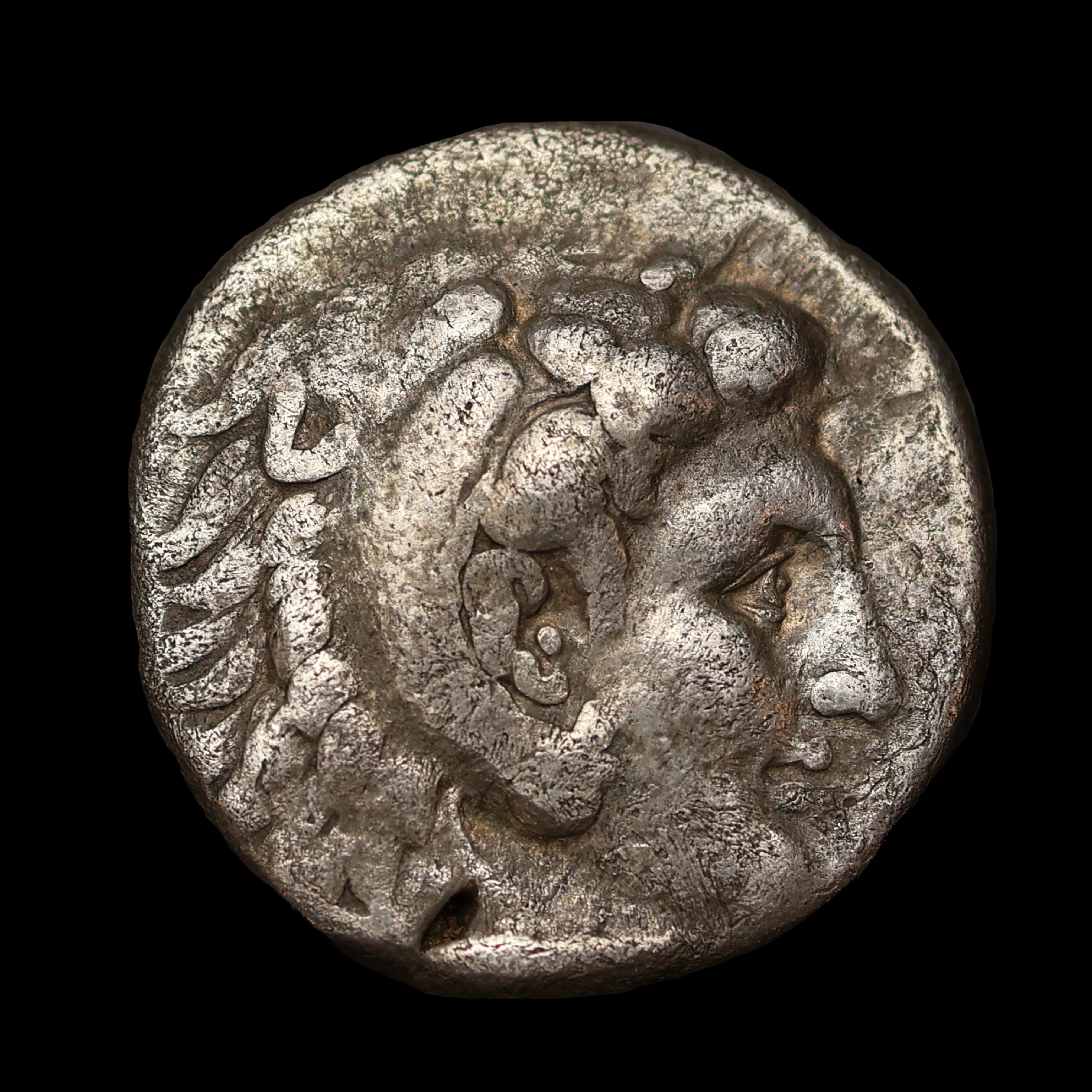
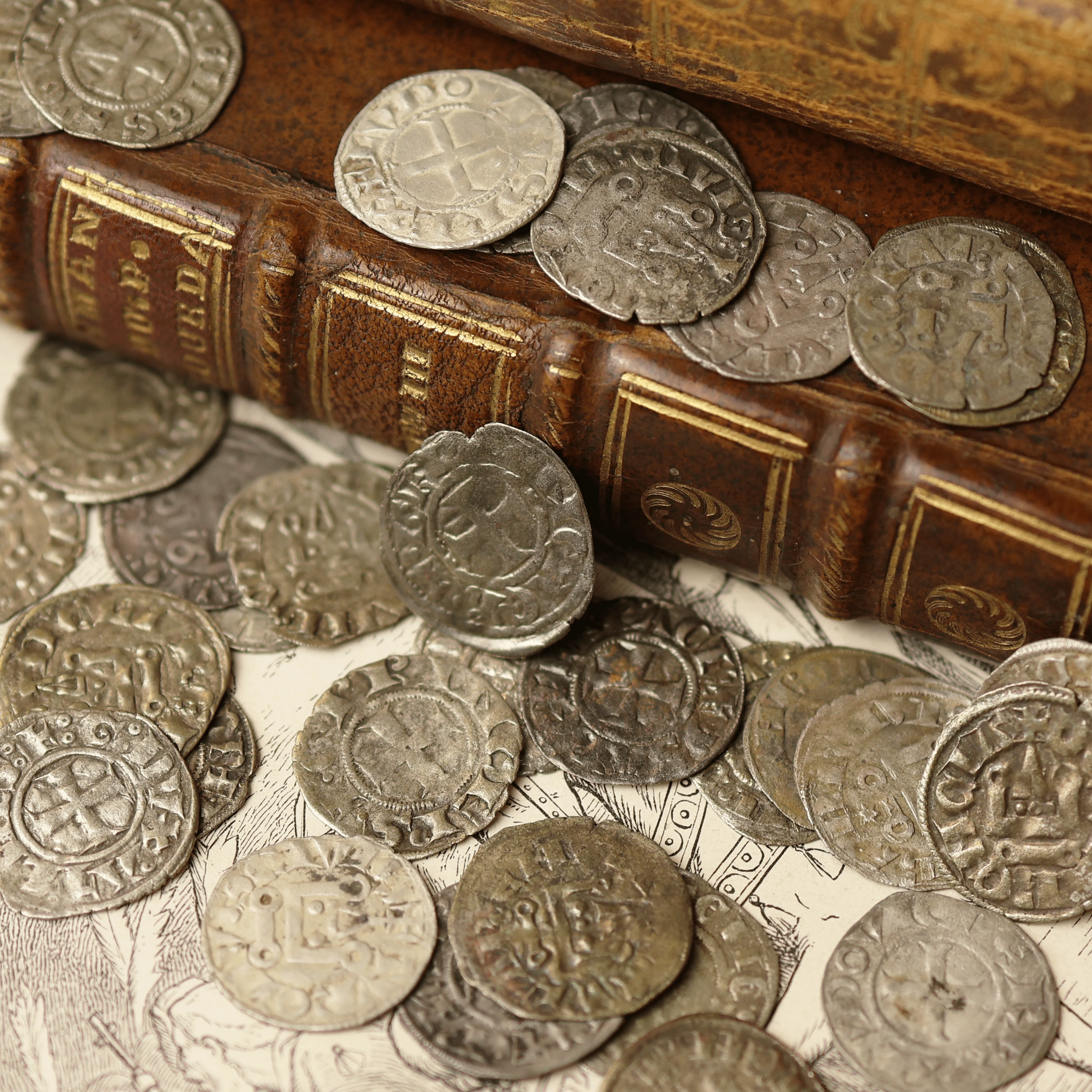
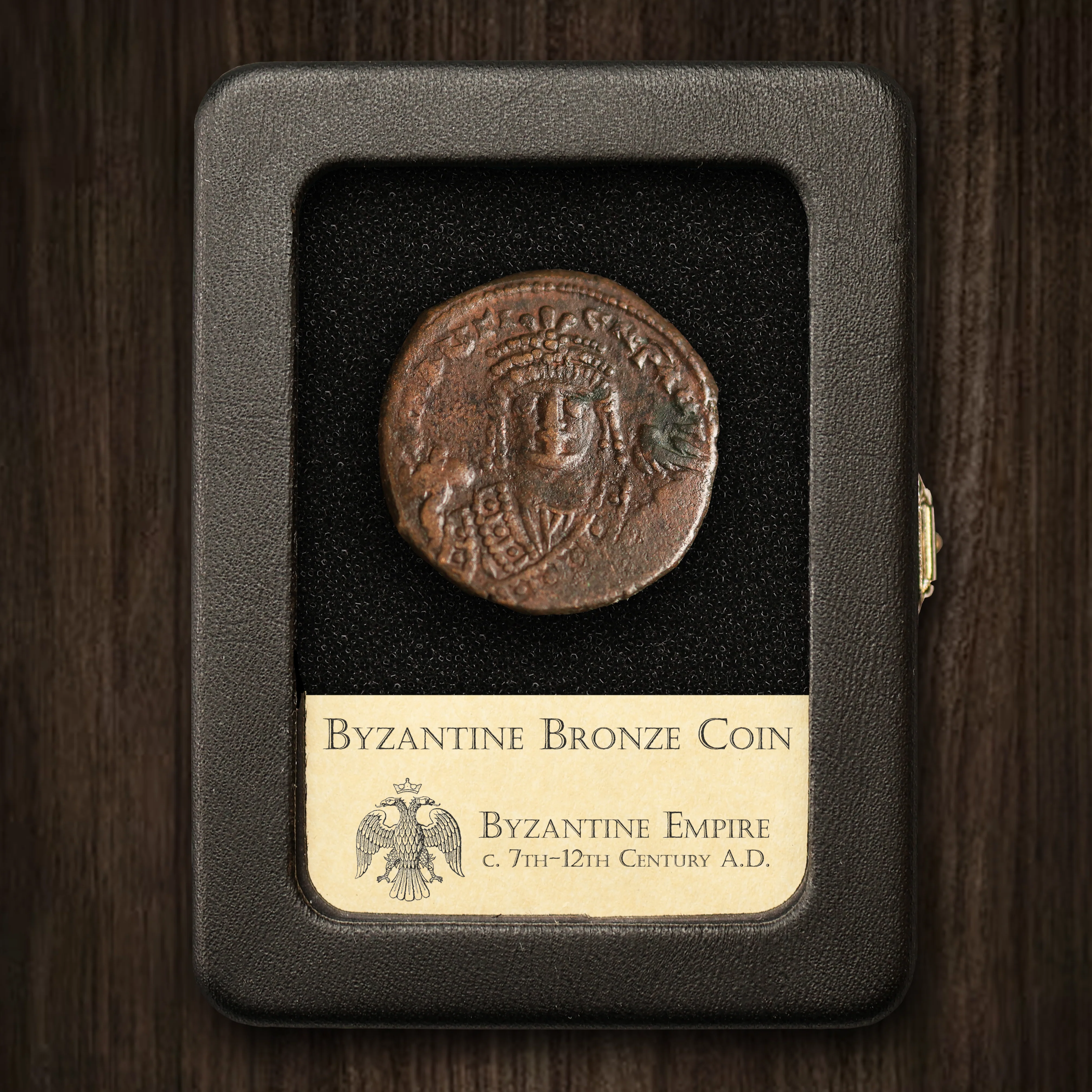
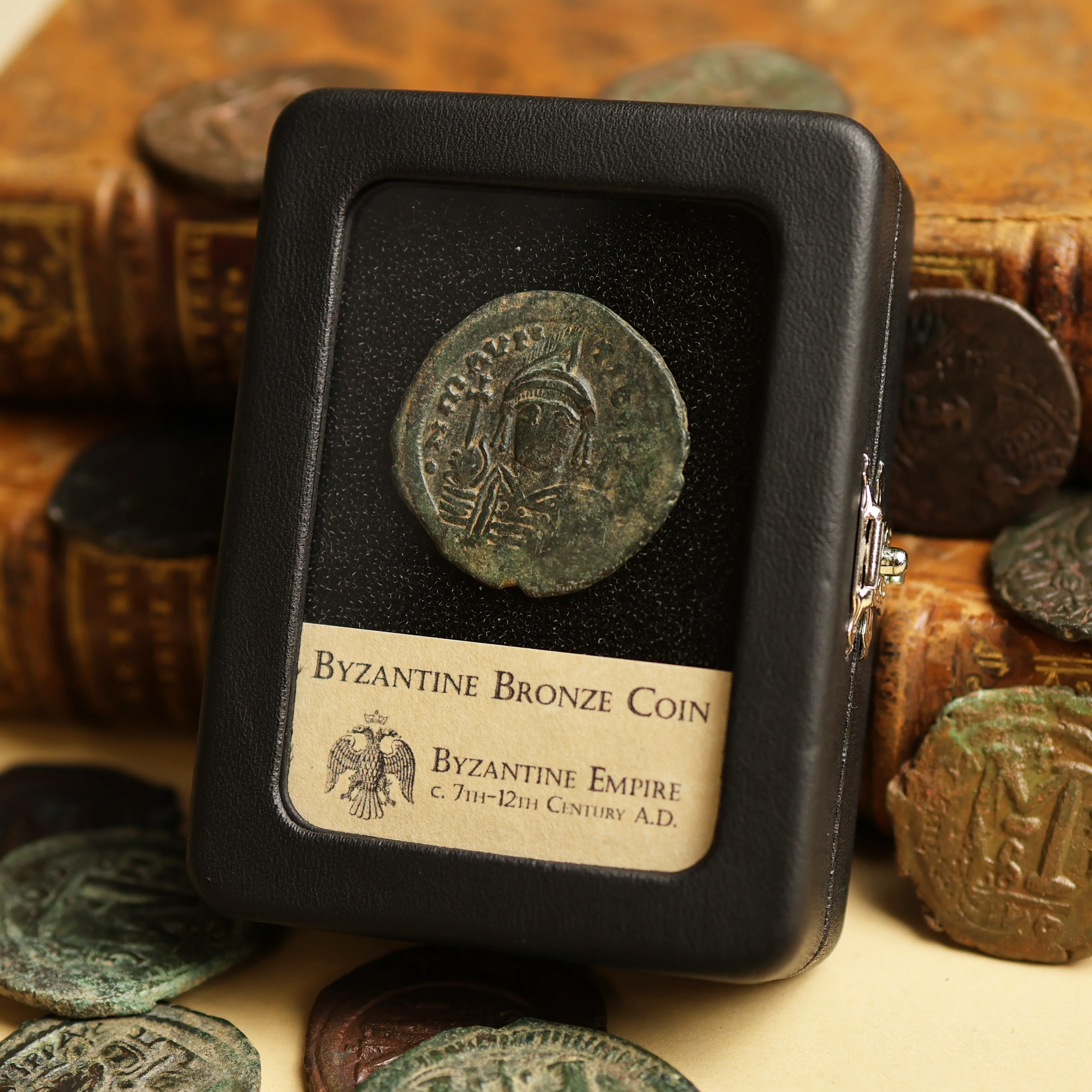
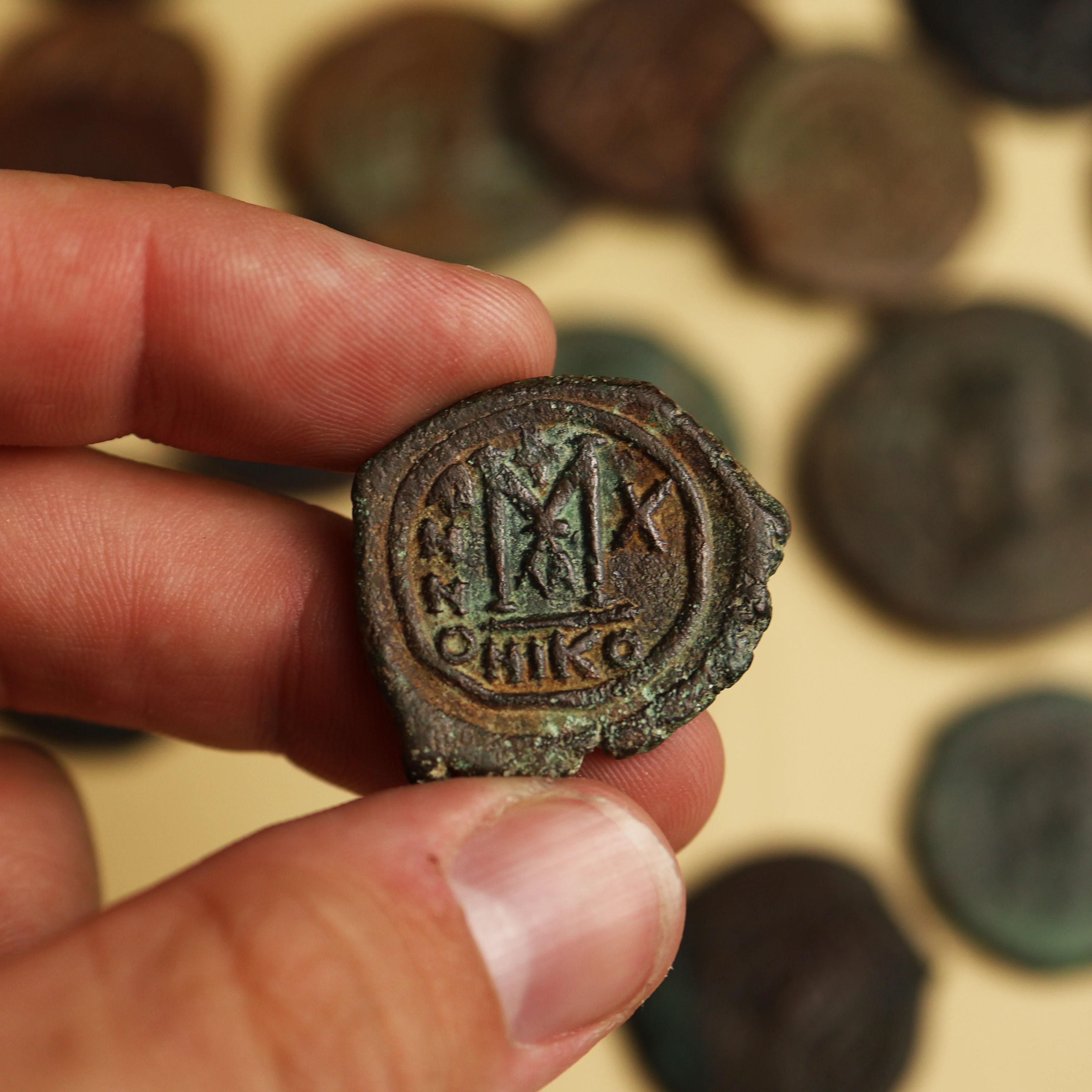
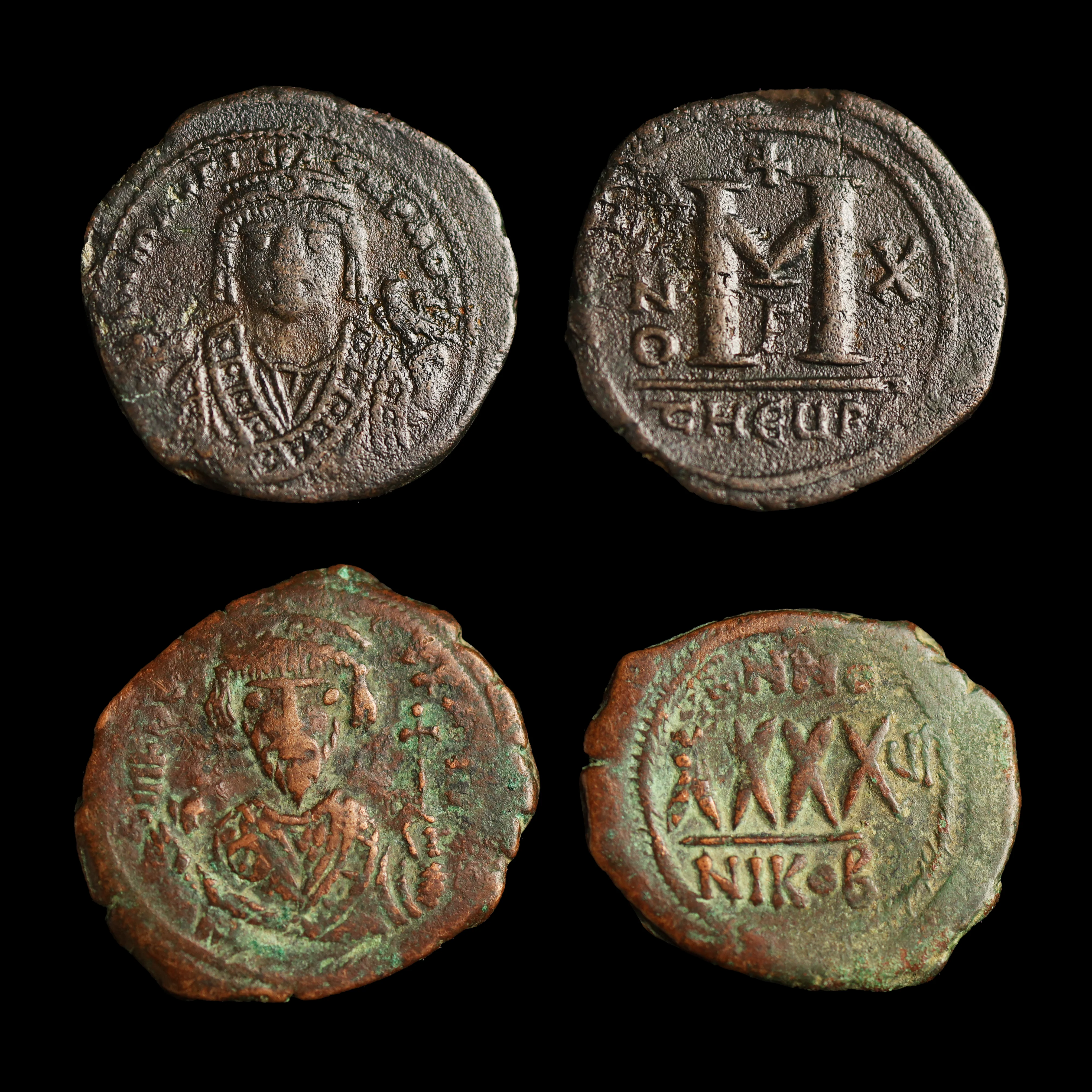
From the 7th to the 12th century, the Byzantine Empire issued vast quantities of bronze coins that formed the backbone of daily commerce. These bronzes, often known as folles, were typically large and struck in considerable volume, intended to meet the needs of an economy where precious-metal coinage was reserved for larger transactions and state payments. Their designs, while simple compared to gold and silver issues, carried unmistakable imperial messages. The obverse most often depicted a bust of the reigning emperor—sometimes paired with a co-emperor or heir—emphasizing dynastic continuity and the emperor’s role as God’s representative on earth. The reverse frequently bore large Greek letters, especially the “M,” “K,” or “I,” indicating the denomination, along with religious symbols such as crosses, reflecting the Christianized nature of the empire’s identity.
Over time, stylistic changes in these bronze issues mirrored the political and religious currents of Byzantium. Early coins in this period tended toward more naturalistic portraits, but by the Middle Byzantine age, the imagery became increasingly stylized and iconic, aligning with the artistic trends of Orthodox Christianity. Some issues introduced depictions of Christ, the Virgin Mary, or saints, underscoring the union of state and church that defined Byzantine rule. Despite frequent debasement and irregularities in weight and strike, these bronzes circulated widely across the empire and beyond, reaching markets in the Mediterranean and the Balkans. More than just small change, they acted as portable carriers of imperial legitimacy and faith, reminding even the humblest subjects of the emperor’s presence and the religious foundation of Byzantine authority.
How do I know these are original Byzantine Coins?
Ancient Artifacts guarantees the Authenticity of items sold through a three layer system of protection:
- Ancient Artifacts exclusively sources artifacts from trusted and reputable antique distributors, many of whom have been selling Artifacts for decades.
- Next, the Artifact is inspected by an expert team member, who is professionally trained in counterfeit detection After the artifact passes inspection, the Certificate of Authenticity is signed and the Artifact is packaged.
- Finally, Ancient Artifacts gives an additional layer of protection by promising a full refund with no questions asked, in the extremely unlikely event that a counterfeit slips through our vetting process.
What will my artifact look like?
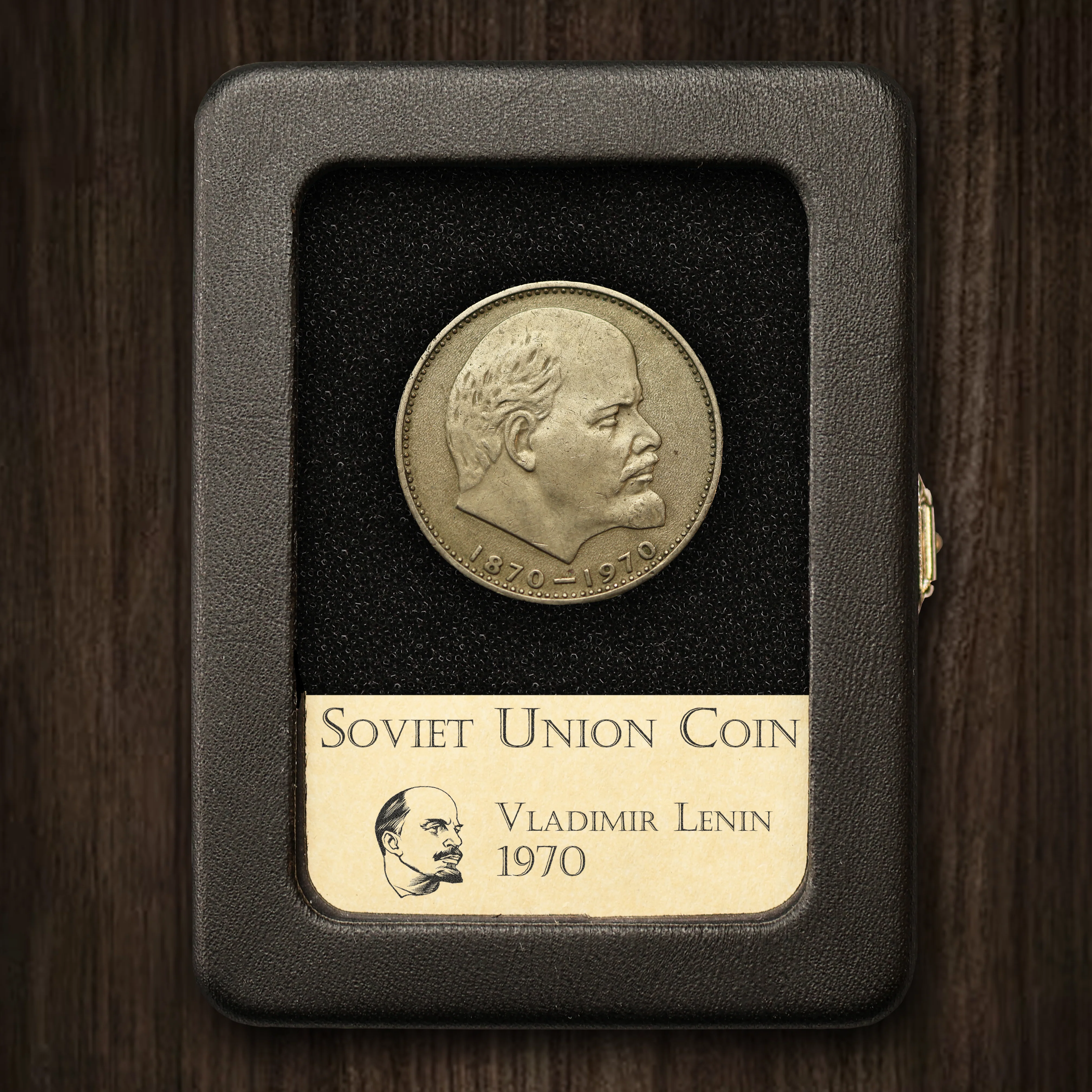
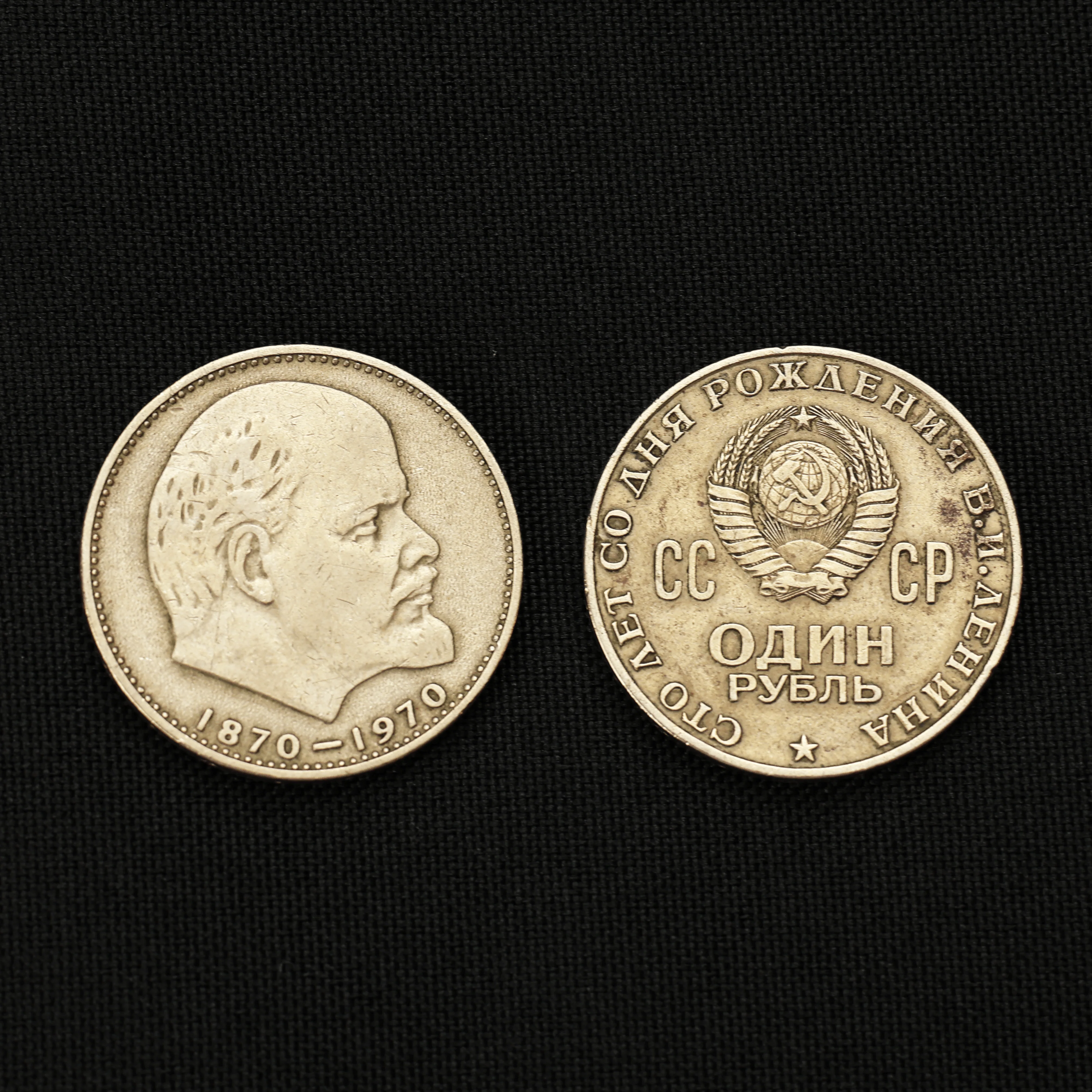
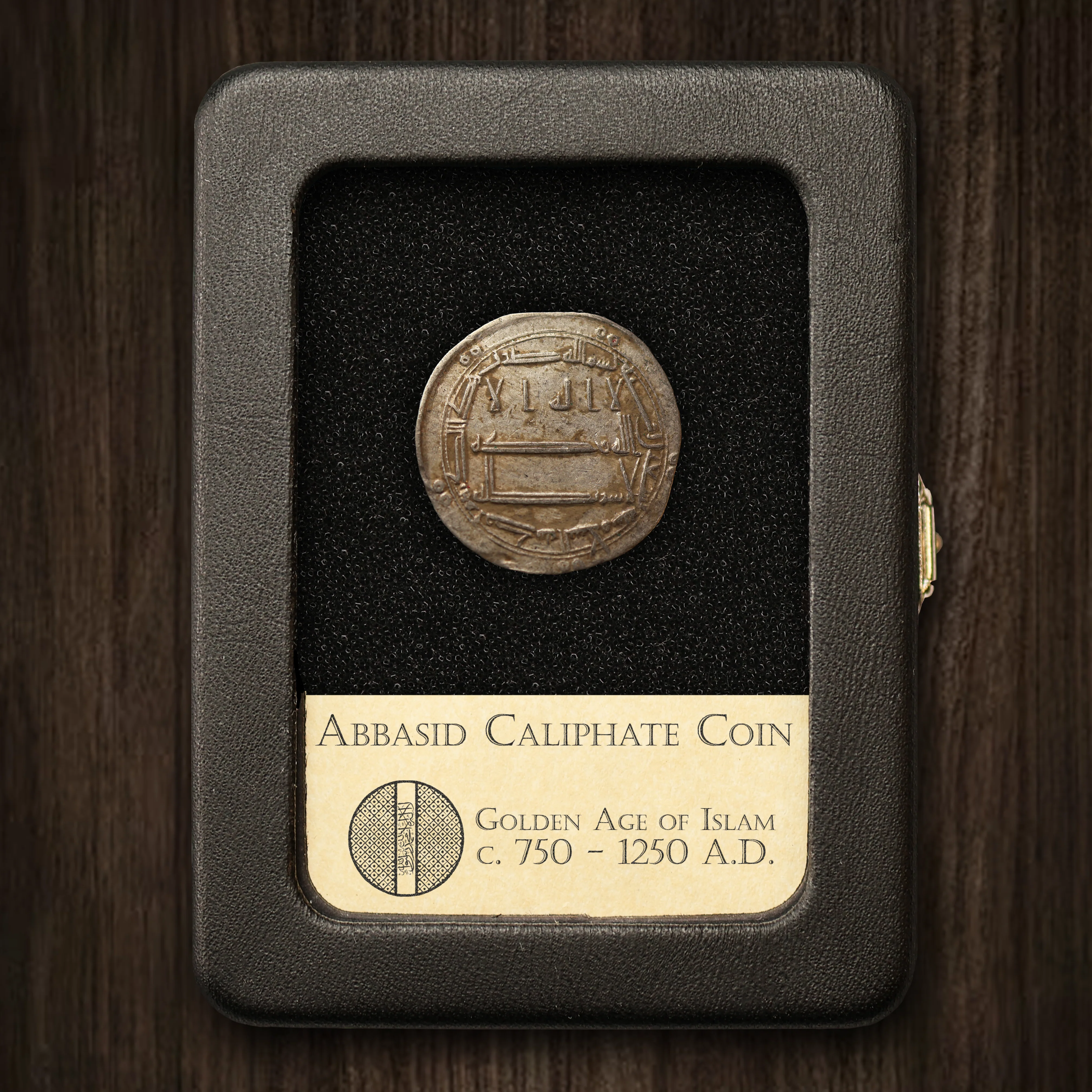
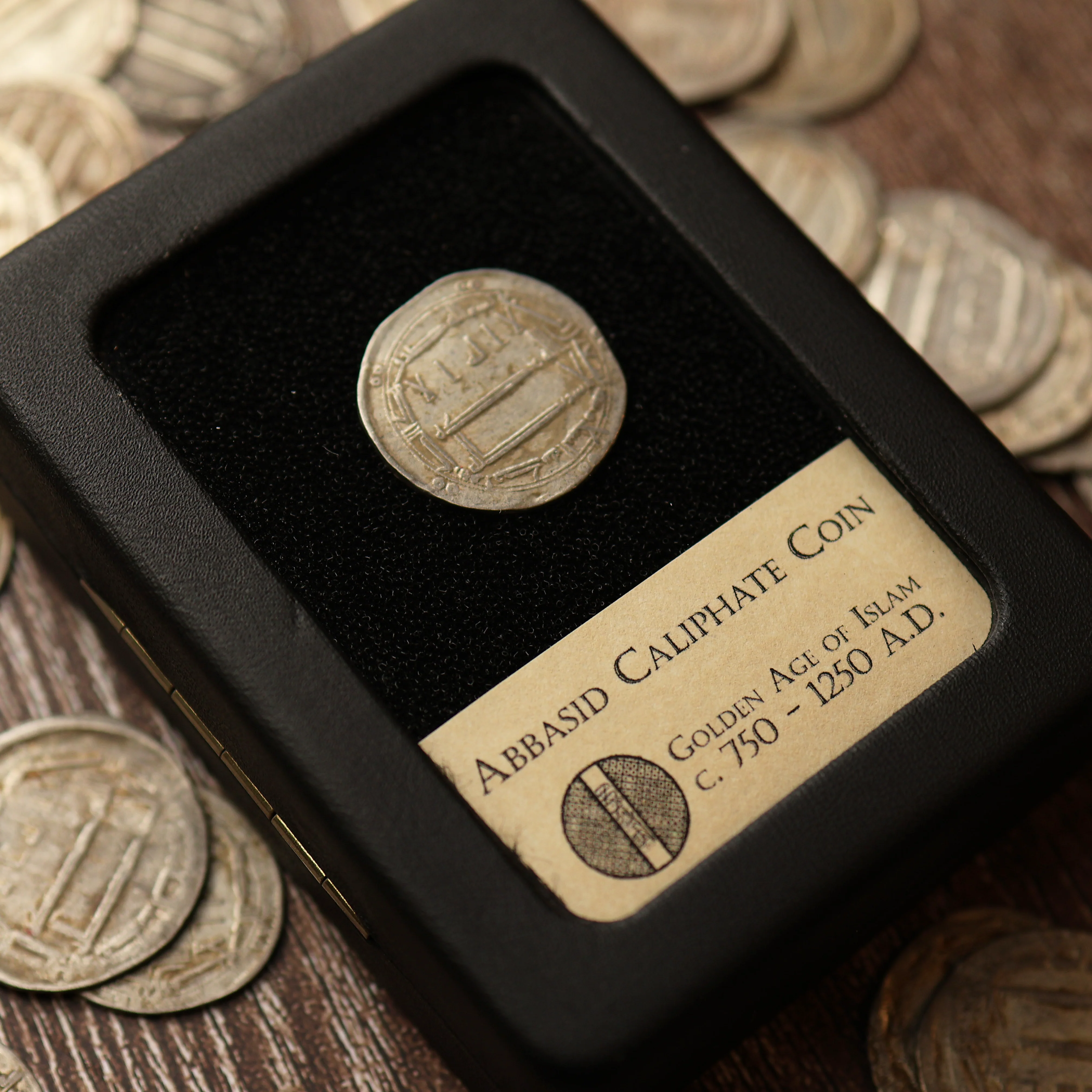
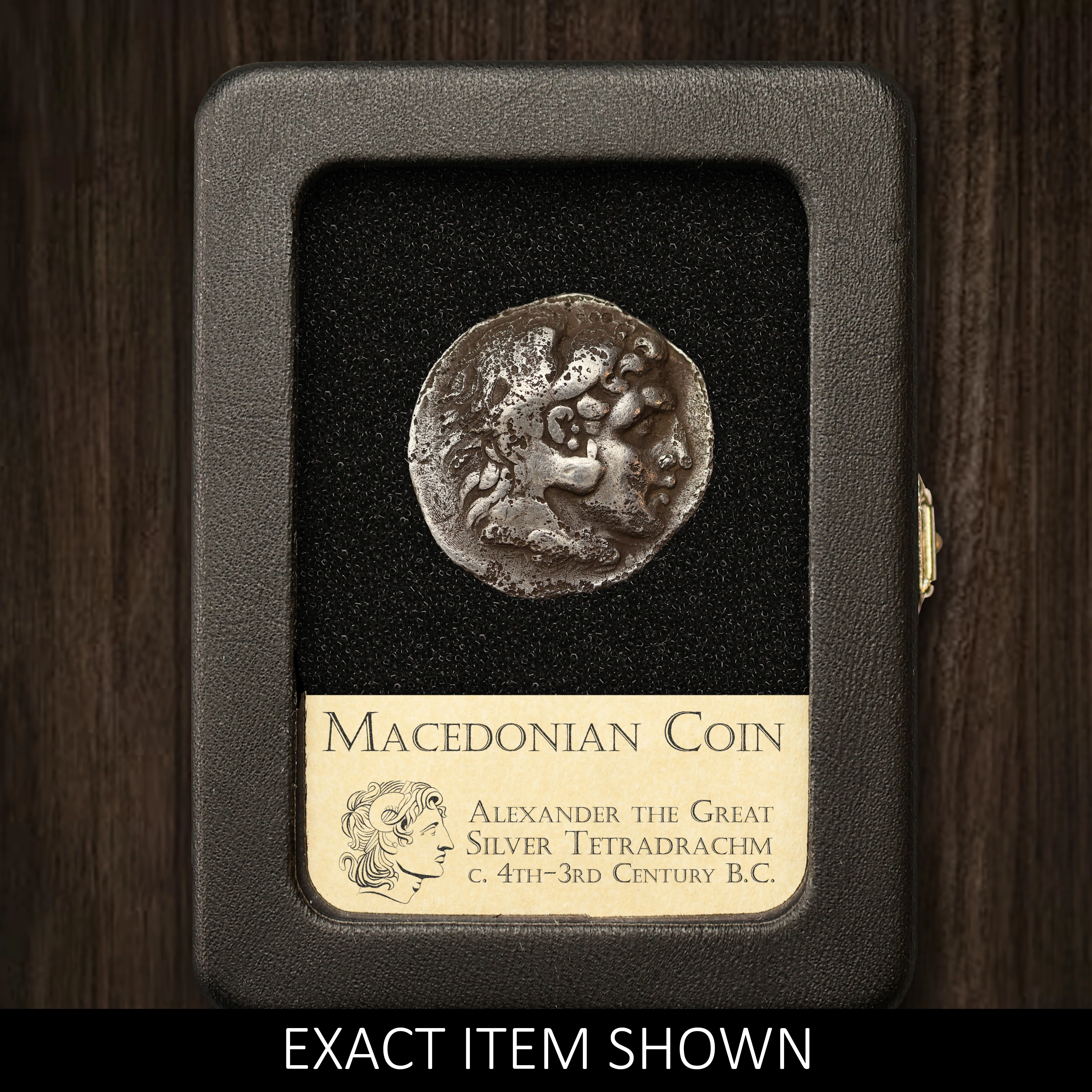
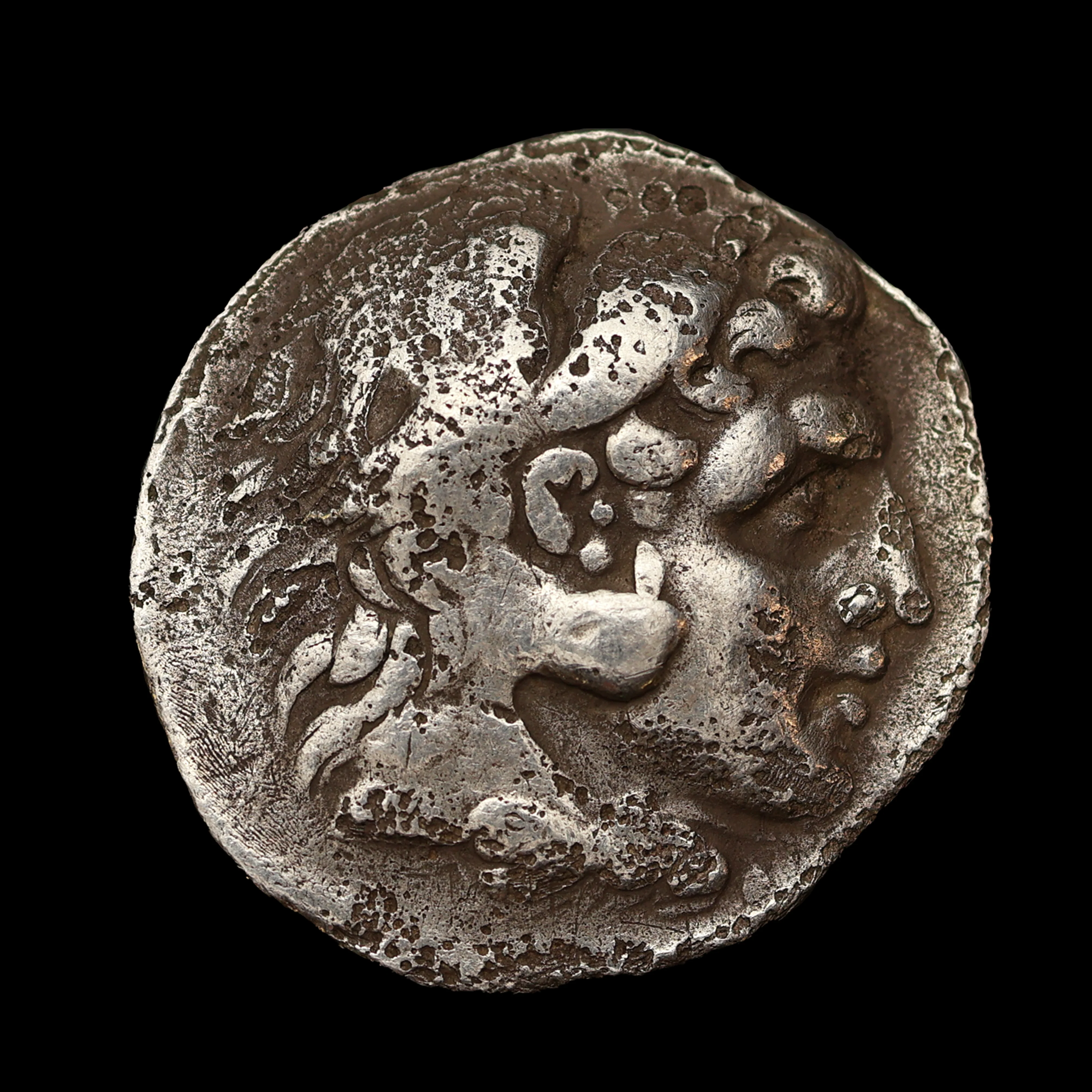
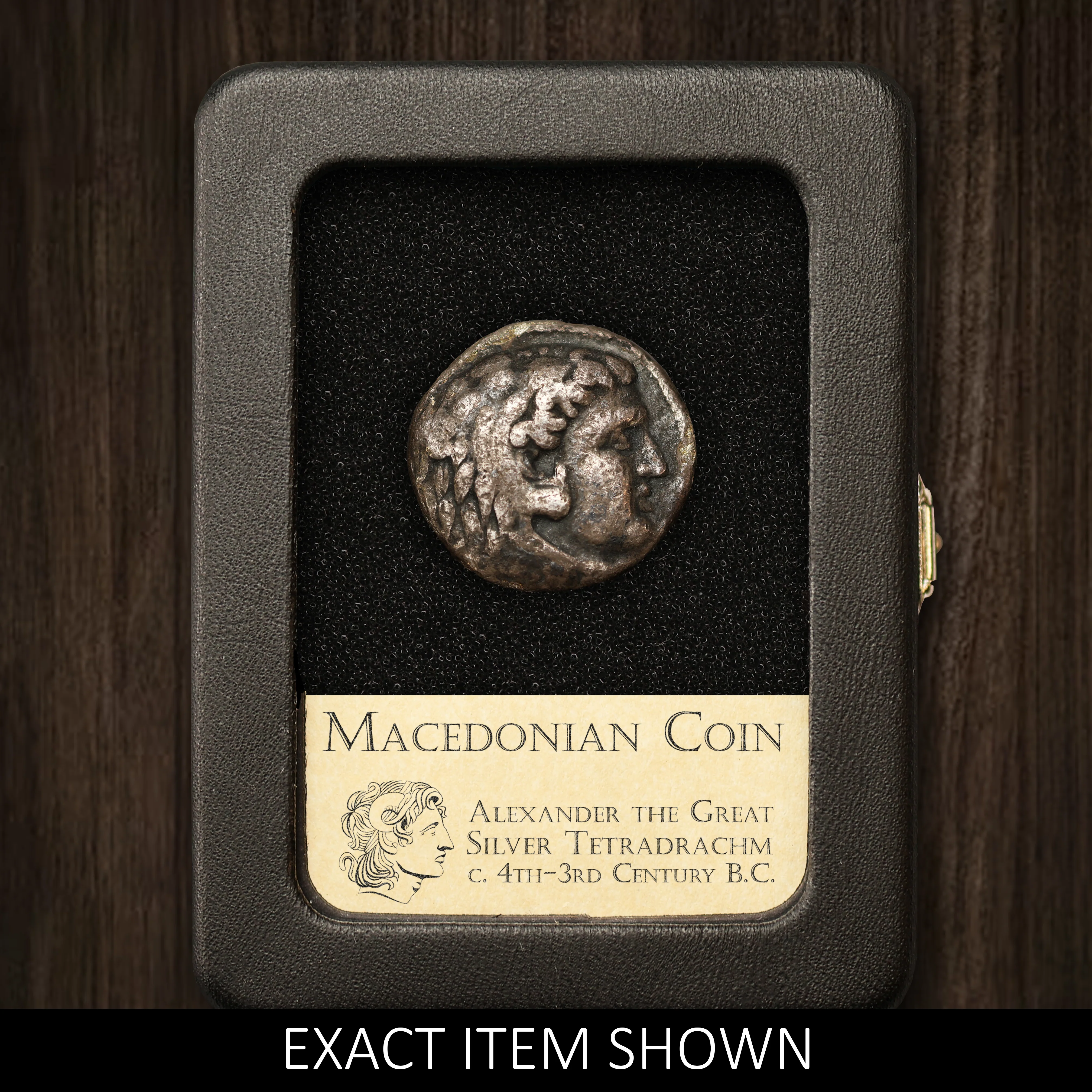
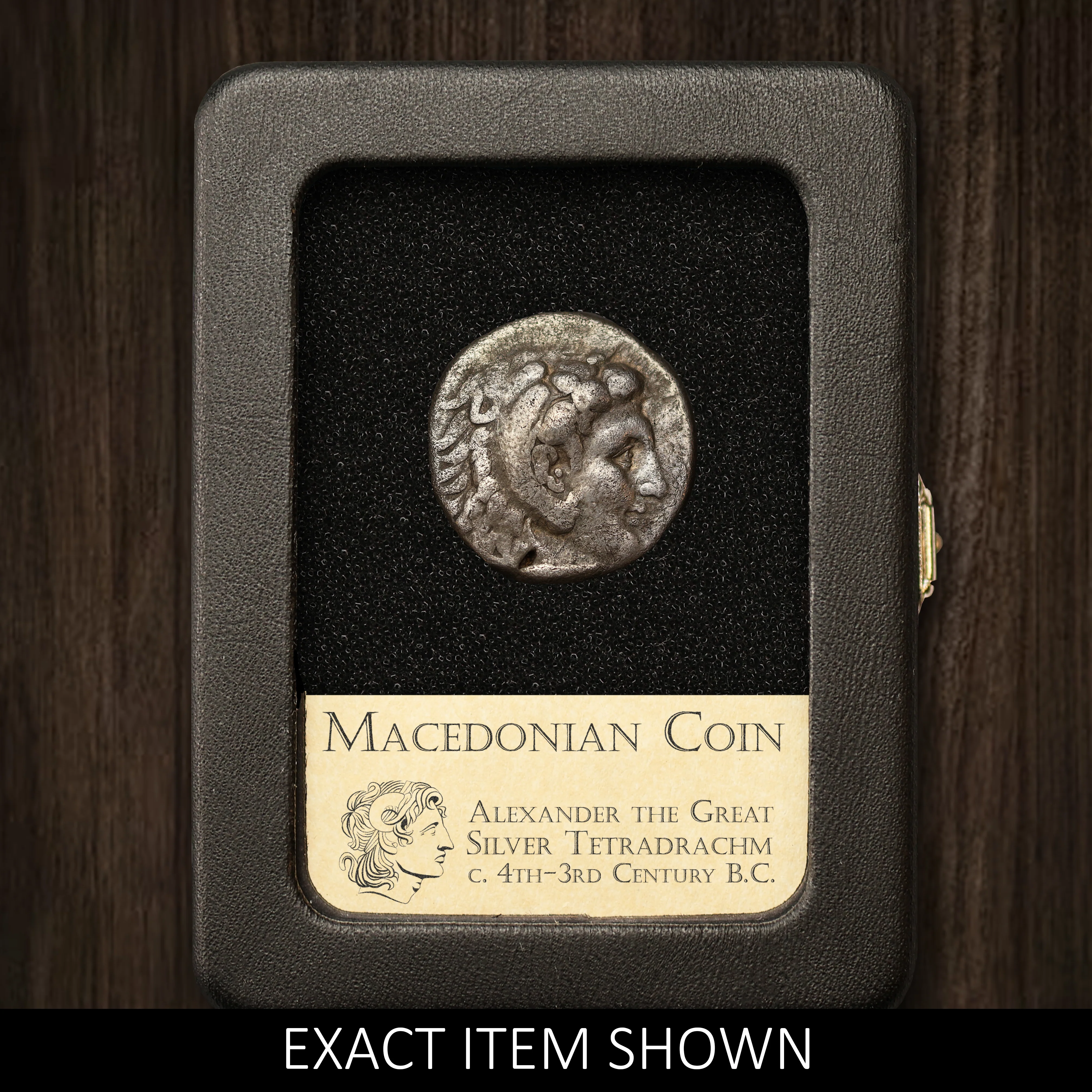
Your Byzantine Empire coin will look very similar to the one shown in the photos. There will always be some variety, given our items are unique historical pieces. The display case included is openable so that you may easily handle and closely observe the artifact. If for whatever reason you get anything that does not fit this description you are entitled to your money back!
Your order will include:
-
One authentic Byzantine Empire Coin
-
Elegant protective case for preservation and display of your artifact
-
Certificate of Authenticity
Ancient Artifacts relics are guaranteed authentic and have a 100% money back policy. Read more about our Mission and Promise for authenticity.
Original: $68.98
-70%$68.98
$20.69More Images
Large Byzantine Empire Bronze Coin
History of the Artifact
From the 7th to the 12th century, the Byzantine Empire issued vast quantities of bronze coins that formed the backbone of daily commerce. These bronzes, often known as folles, were typically large and struck in considerable volume, intended to meet the needs of an economy where precious-metal coinage was reserved for larger transactions and state payments. Their designs, while simple compared to gold and silver issues, carried unmistakable imperial messages. The obverse most often depicted a bust of the reigning emperor—sometimes paired with a co-emperor or heir—emphasizing dynastic continuity and the emperor’s role as God’s representative on earth. The reverse frequently bore large Greek letters, especially the “M,” “K,” or “I,” indicating the denomination, along with religious symbols such as crosses, reflecting the Christianized nature of the empire’s identity.
Over time, stylistic changes in these bronze issues mirrored the political and religious currents of Byzantium. Early coins in this period tended toward more naturalistic portraits, but by the Middle Byzantine age, the imagery became increasingly stylized and iconic, aligning with the artistic trends of Orthodox Christianity. Some issues introduced depictions of Christ, the Virgin Mary, or saints, underscoring the union of state and church that defined Byzantine rule. Despite frequent debasement and irregularities in weight and strike, these bronzes circulated widely across the empire and beyond, reaching markets in the Mediterranean and the Balkans. More than just small change, they acted as portable carriers of imperial legitimacy and faith, reminding even the humblest subjects of the emperor’s presence and the religious foundation of Byzantine authority.
How do I know these are original Byzantine Coins?
Ancient Artifacts guarantees the Authenticity of items sold through a three layer system of protection:
- Ancient Artifacts exclusively sources artifacts from trusted and reputable antique distributors, many of whom have been selling Artifacts for decades.
- Next, the Artifact is inspected by an expert team member, who is professionally trained in counterfeit detection After the artifact passes inspection, the Certificate of Authenticity is signed and the Artifact is packaged.
- Finally, Ancient Artifacts gives an additional layer of protection by promising a full refund with no questions asked, in the extremely unlikely event that a counterfeit slips through our vetting process.
What will my artifact look like?
Your Byzantine Empire coin will look very similar to the one shown in the photos. There will always be some variety, given our items are unique historical pieces. The display case included is openable so that you may easily handle and closely observe the artifact. If for whatever reason you get anything that does not fit this description you are entitled to your money back!
Your order will include:
-
One authentic Byzantine Empire Coin
-
Elegant protective case for preservation and display of your artifact
-
Certificate of Authenticity
Ancient Artifacts relics are guaranteed authentic and have a 100% money back policy. Read more about our Mission and Promise for authenticity.
Product Information
Product Information
Shipping & Returns
Shipping & Returns
Description
History of the Artifact
From the 7th to the 12th century, the Byzantine Empire issued vast quantities of bronze coins that formed the backbone of daily commerce. These bronzes, often known as folles, were typically large and struck in considerable volume, intended to meet the needs of an economy where precious-metal coinage was reserved for larger transactions and state payments. Their designs, while simple compared to gold and silver issues, carried unmistakable imperial messages. The obverse most often depicted a bust of the reigning emperor—sometimes paired with a co-emperor or heir—emphasizing dynastic continuity and the emperor’s role as God’s representative on earth. The reverse frequently bore large Greek letters, especially the “M,” “K,” or “I,” indicating the denomination, along with religious symbols such as crosses, reflecting the Christianized nature of the empire’s identity.
Over time, stylistic changes in these bronze issues mirrored the political and religious currents of Byzantium. Early coins in this period tended toward more naturalistic portraits, but by the Middle Byzantine age, the imagery became increasingly stylized and iconic, aligning with the artistic trends of Orthodox Christianity. Some issues introduced depictions of Christ, the Virgin Mary, or saints, underscoring the union of state and church that defined Byzantine rule. Despite frequent debasement and irregularities in weight and strike, these bronzes circulated widely across the empire and beyond, reaching markets in the Mediterranean and the Balkans. More than just small change, they acted as portable carriers of imperial legitimacy and faith, reminding even the humblest subjects of the emperor’s presence and the religious foundation of Byzantine authority.
How do I know these are original Byzantine Coins?
Ancient Artifacts guarantees the Authenticity of items sold through a three layer system of protection:
- Ancient Artifacts exclusively sources artifacts from trusted and reputable antique distributors, many of whom have been selling Artifacts for decades.
- Next, the Artifact is inspected by an expert team member, who is professionally trained in counterfeit detection After the artifact passes inspection, the Certificate of Authenticity is signed and the Artifact is packaged.
- Finally, Ancient Artifacts gives an additional layer of protection by promising a full refund with no questions asked, in the extremely unlikely event that a counterfeit slips through our vetting process.
What will my artifact look like?
Your Byzantine Empire coin will look very similar to the one shown in the photos. There will always be some variety, given our items are unique historical pieces. The display case included is openable so that you may easily handle and closely observe the artifact. If for whatever reason you get anything that does not fit this description you are entitled to your money back!
Your order will include:
-
One authentic Byzantine Empire Coin
-
Elegant protective case for preservation and display of your artifact
-
Certificate of Authenticity
Ancient Artifacts relics are guaranteed authentic and have a 100% money back policy. Read more about our Mission and Promise for authenticity.