Julian The Apostate | Bronze Follis
History of the Artifact
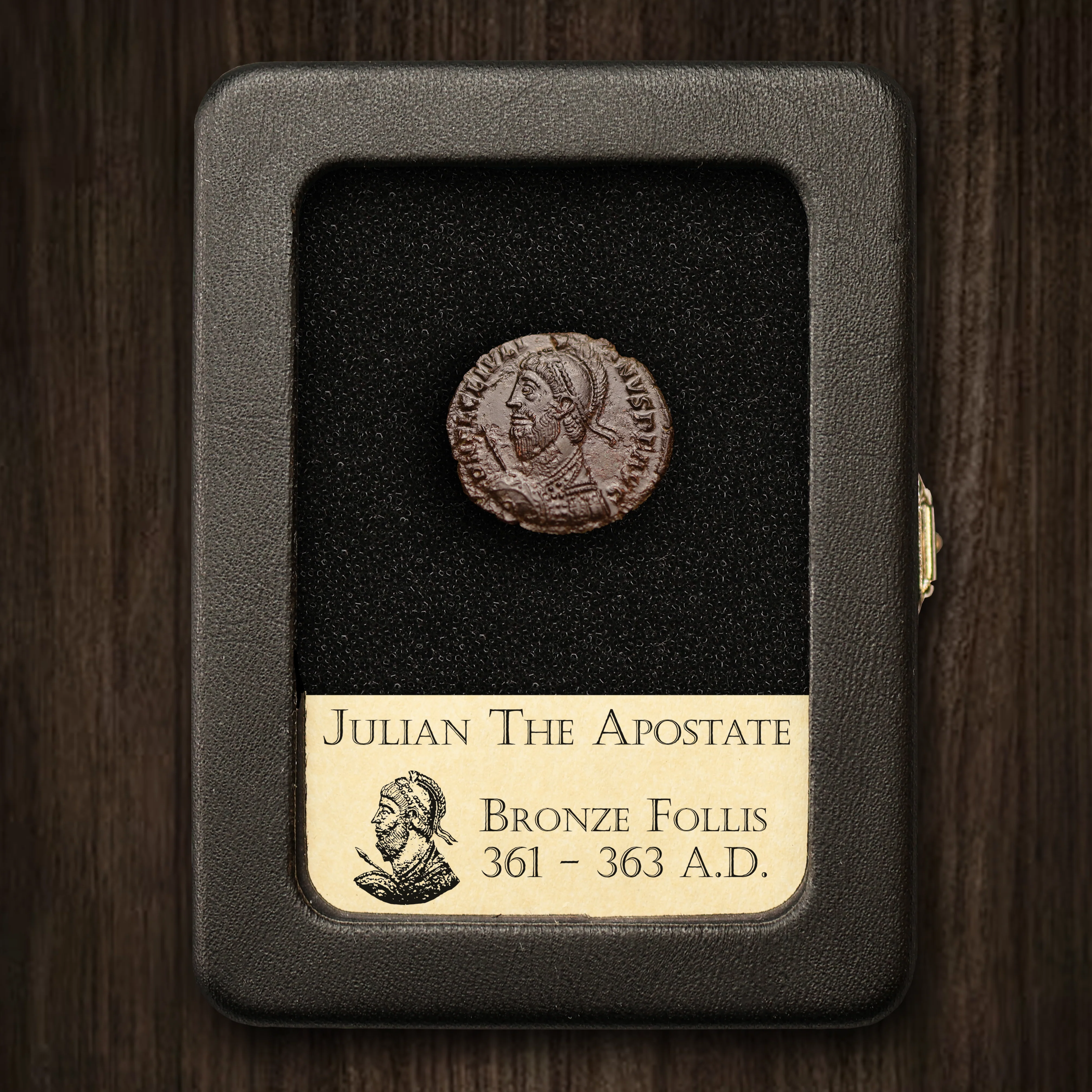
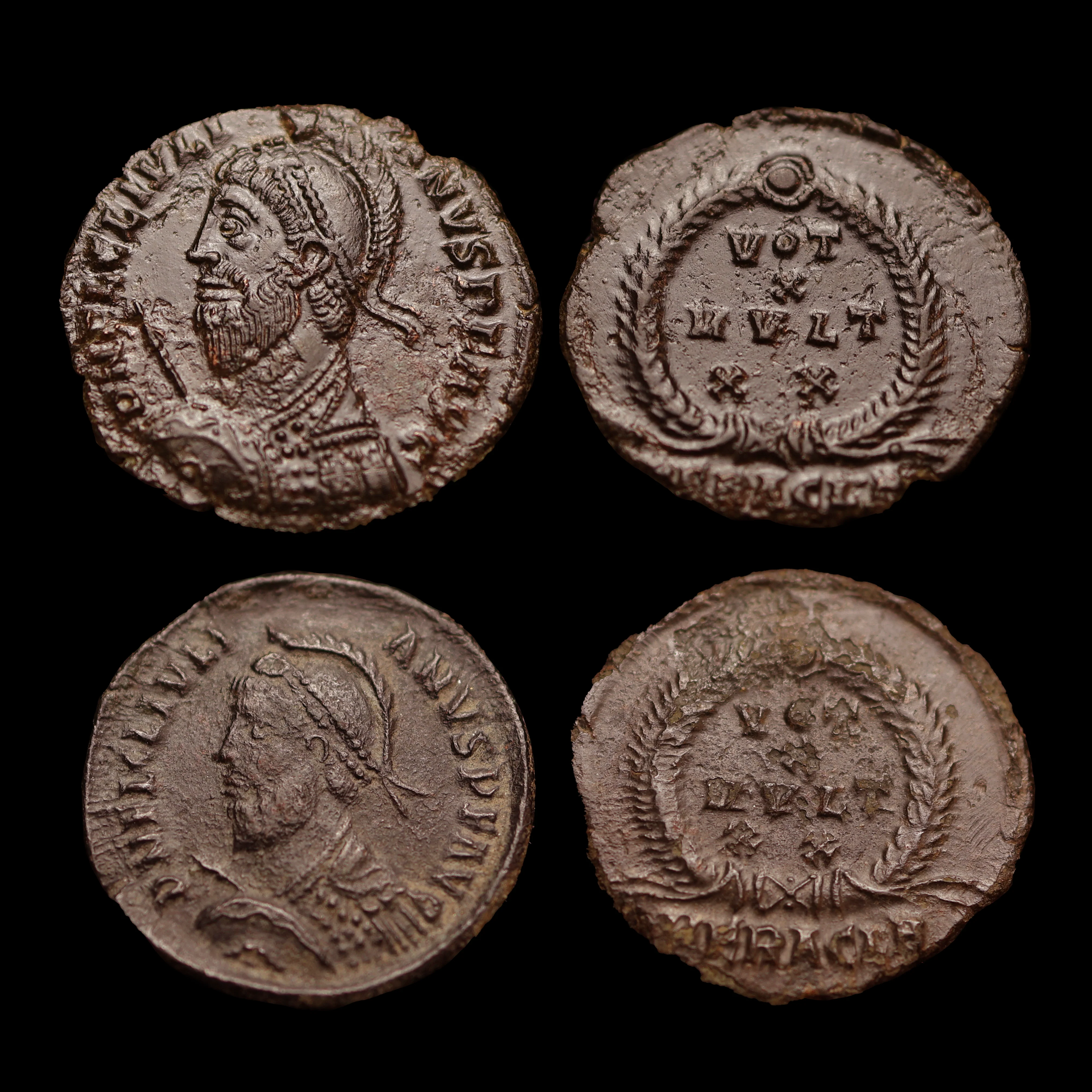
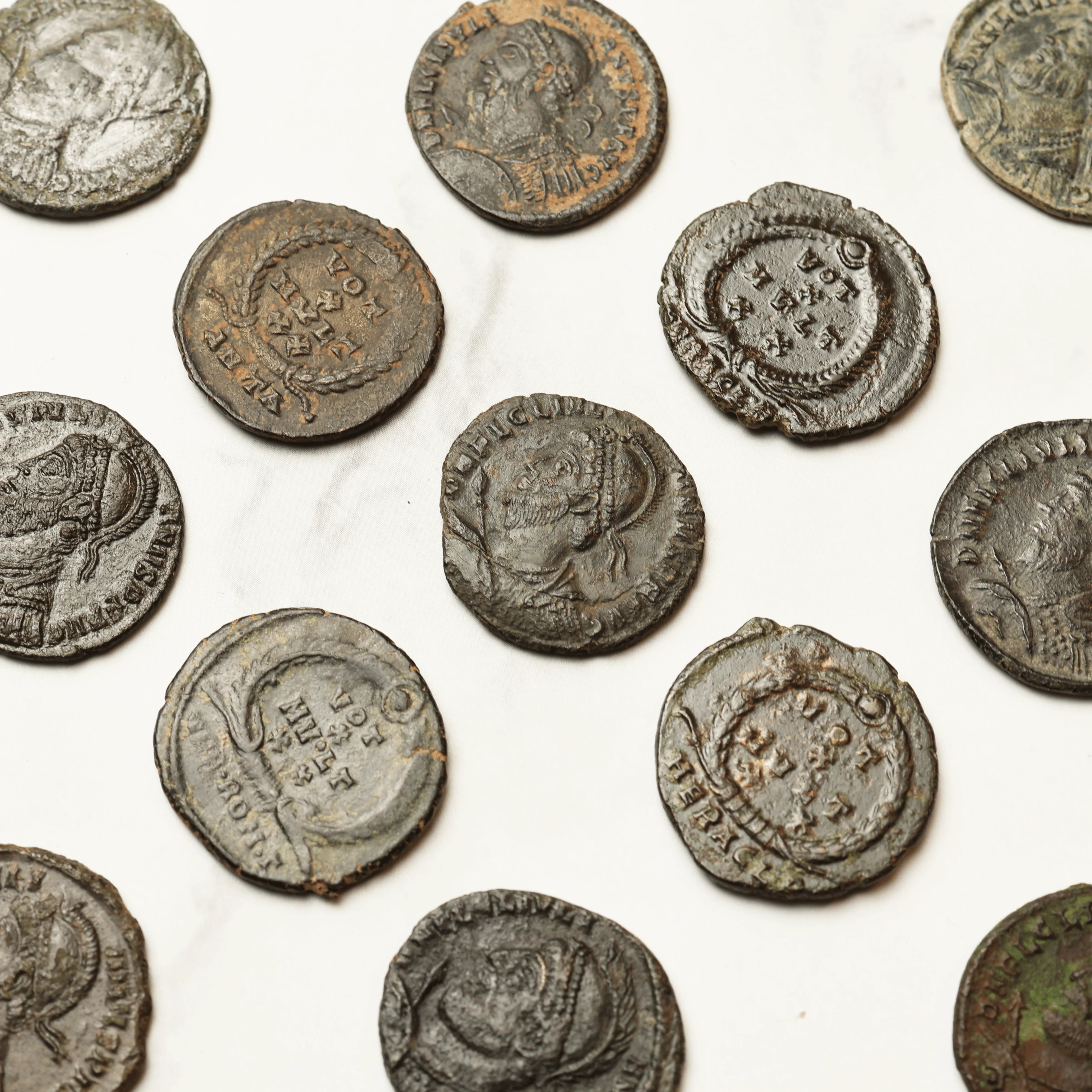
The bronze follis from the reign of Julian the Apostate offers a captivating glimpse into a brief but deeply symbolic chapter of Roman history. Minted during his short rule from 361 to 363 AD, these coins reflect the image of an emperor determined to revive Rome’s pagan traditions in a world rapidly embracing Christianity. Educated in philosophy and Neoplatonism, Julian rejected the faith he was raised in, reopening pagan temples, reinstating sacrifices, and attempting to reshape pagan worship into a structured rival to the Christian Church. Struck at imperial mints across the Eastern and Western provinces, the follis features a detailed bust of Julian, recognizable by his distinctive beard—an intentional nod to the philosophers of antiquity and his self-styled image as a philosopher-king.
Today, surviving examples of these folles serve not only as relics of a transitional moment in late antiquity, but as rare artifacts from the last pagan emperor’s ambitious—and ultimately doomed—campaign to restore the old gods of Rome.
How do I know these are original Roman Coins?
Ancient Artifacts guarantees the Authenticity of items sold through a three layer system of protection:
- Ancient Artifacts exclusively sources artifacts from trusted and reputable antique distributors, many of whom have been selling Artifacts for decades.
- Next, the Artifact is inspected by an expert team member, who is professionally trained in counterfeit detection After the artifact passes inspection, the Certificate of Authenticity is signed and the Artifact is packaged.
- Finally, Ancient Artifacts gives an additional layer of protection by promising a full refund with no questions asked, in the extremely unlikely event that a counterfeit slips through our vetting process.
What will my artifact look like?
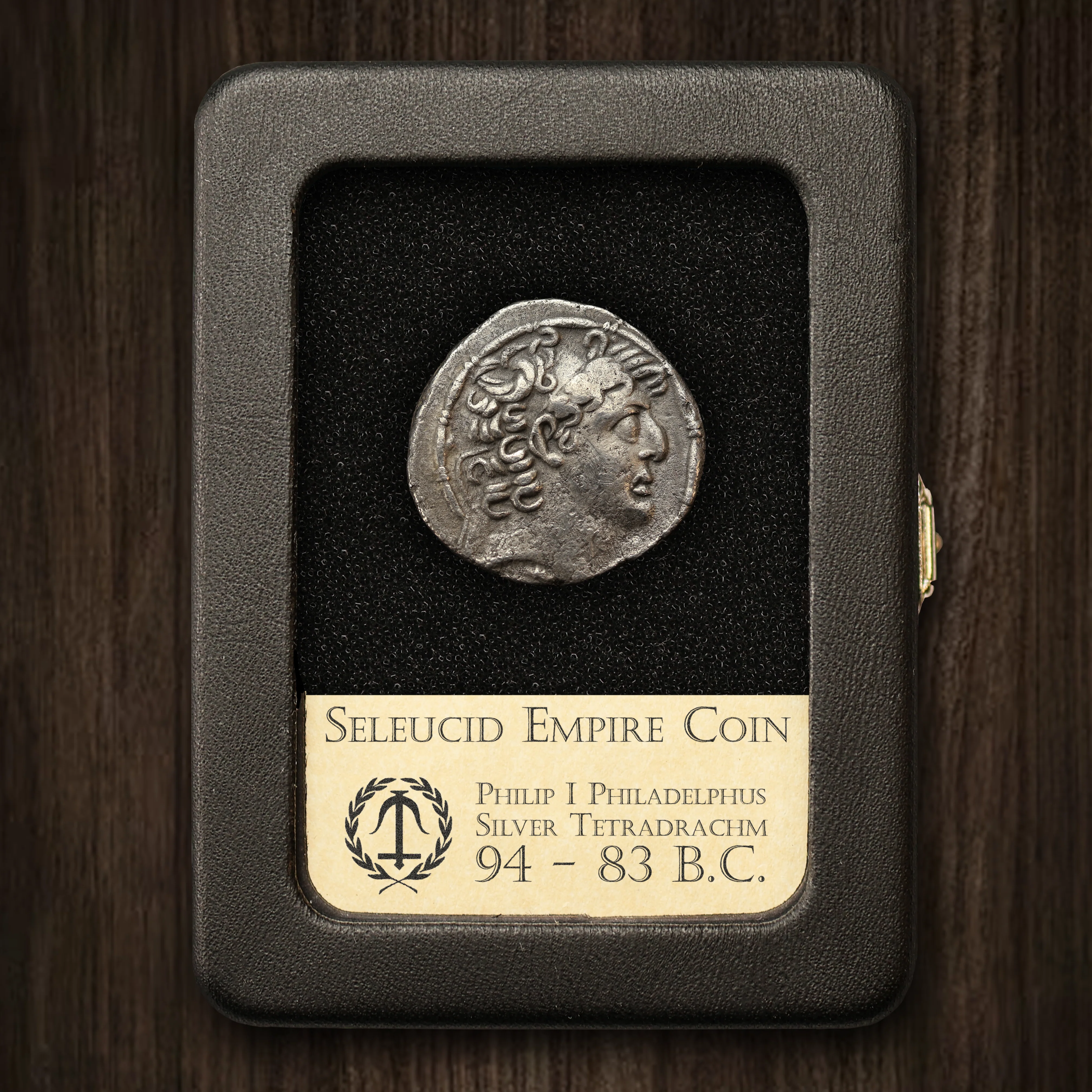
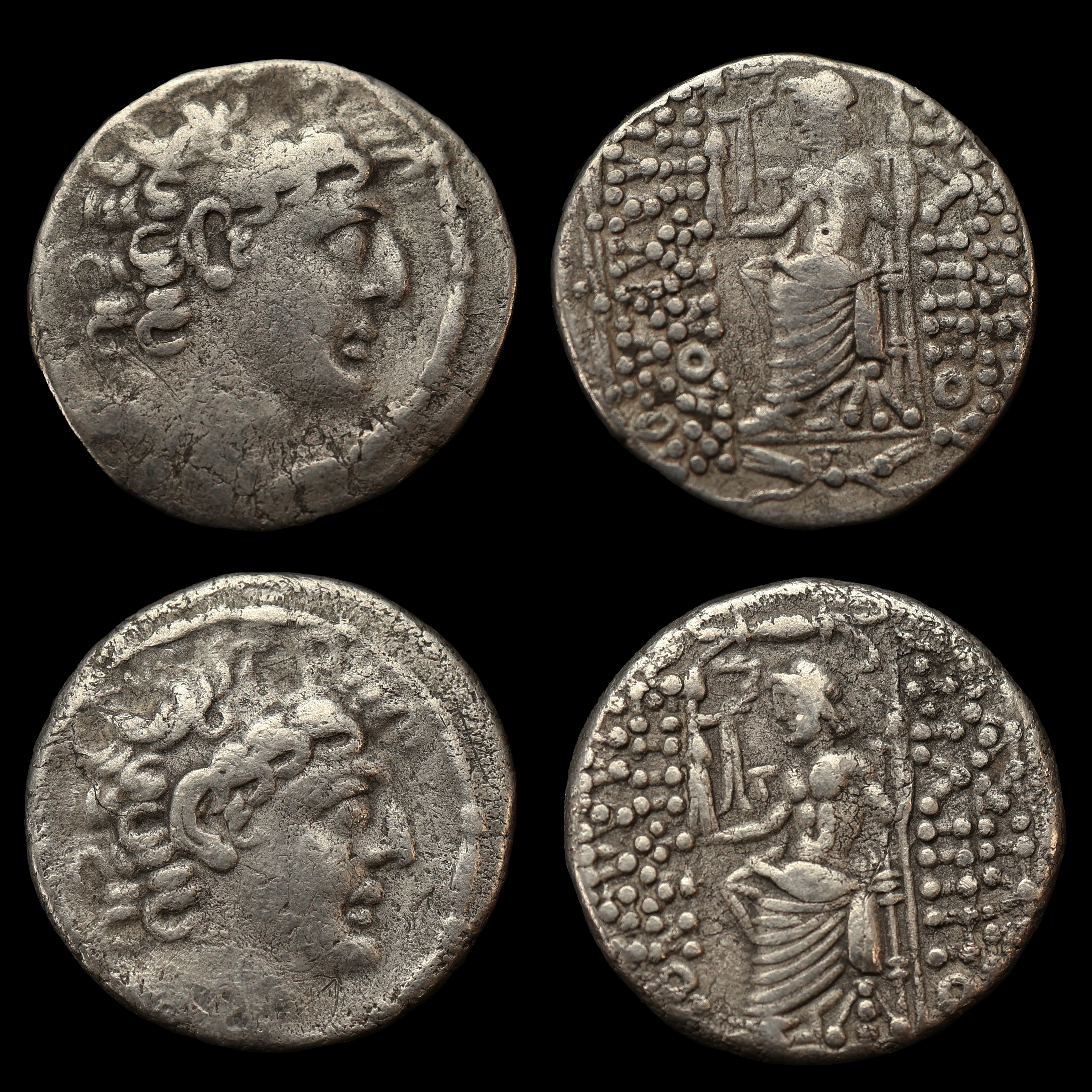
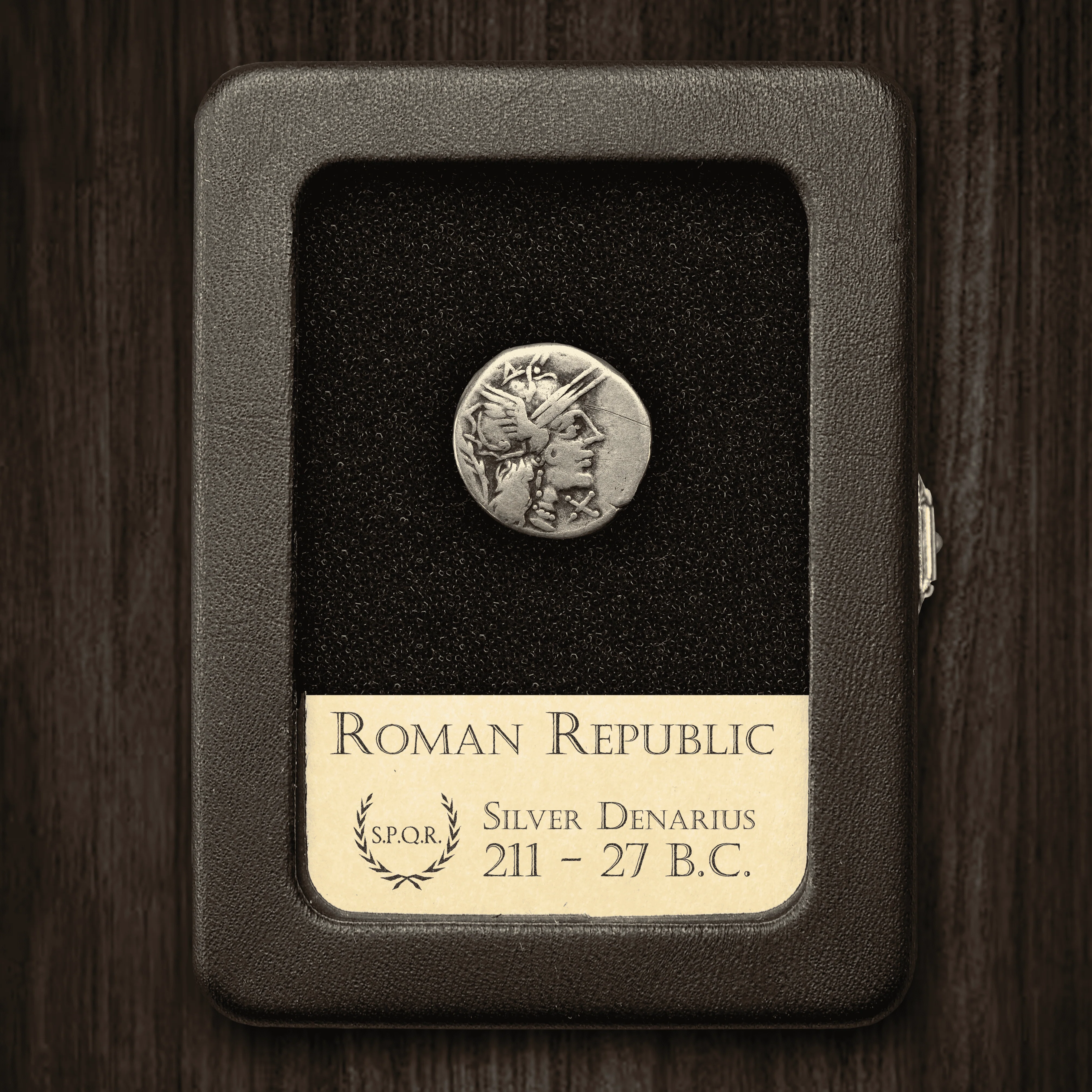
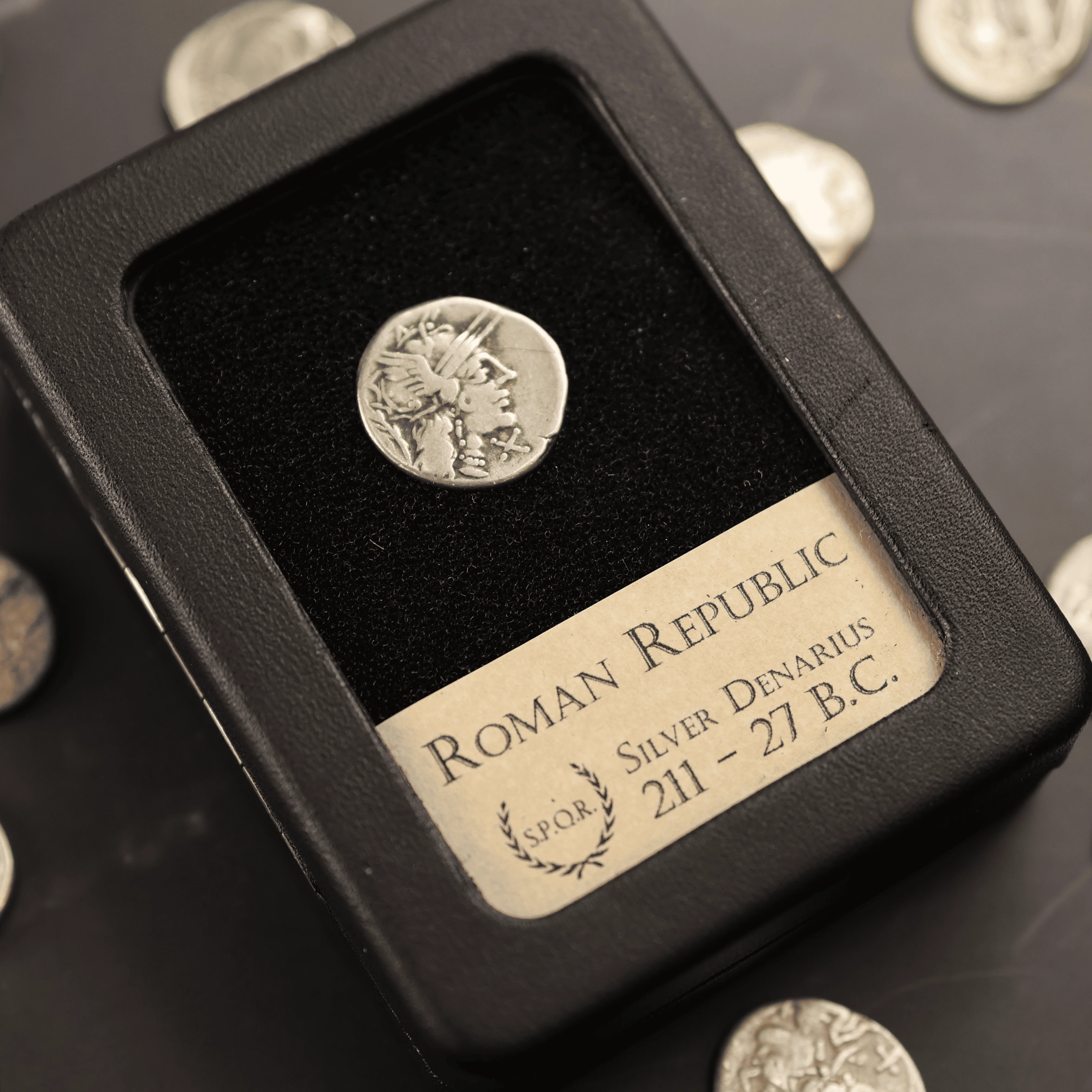
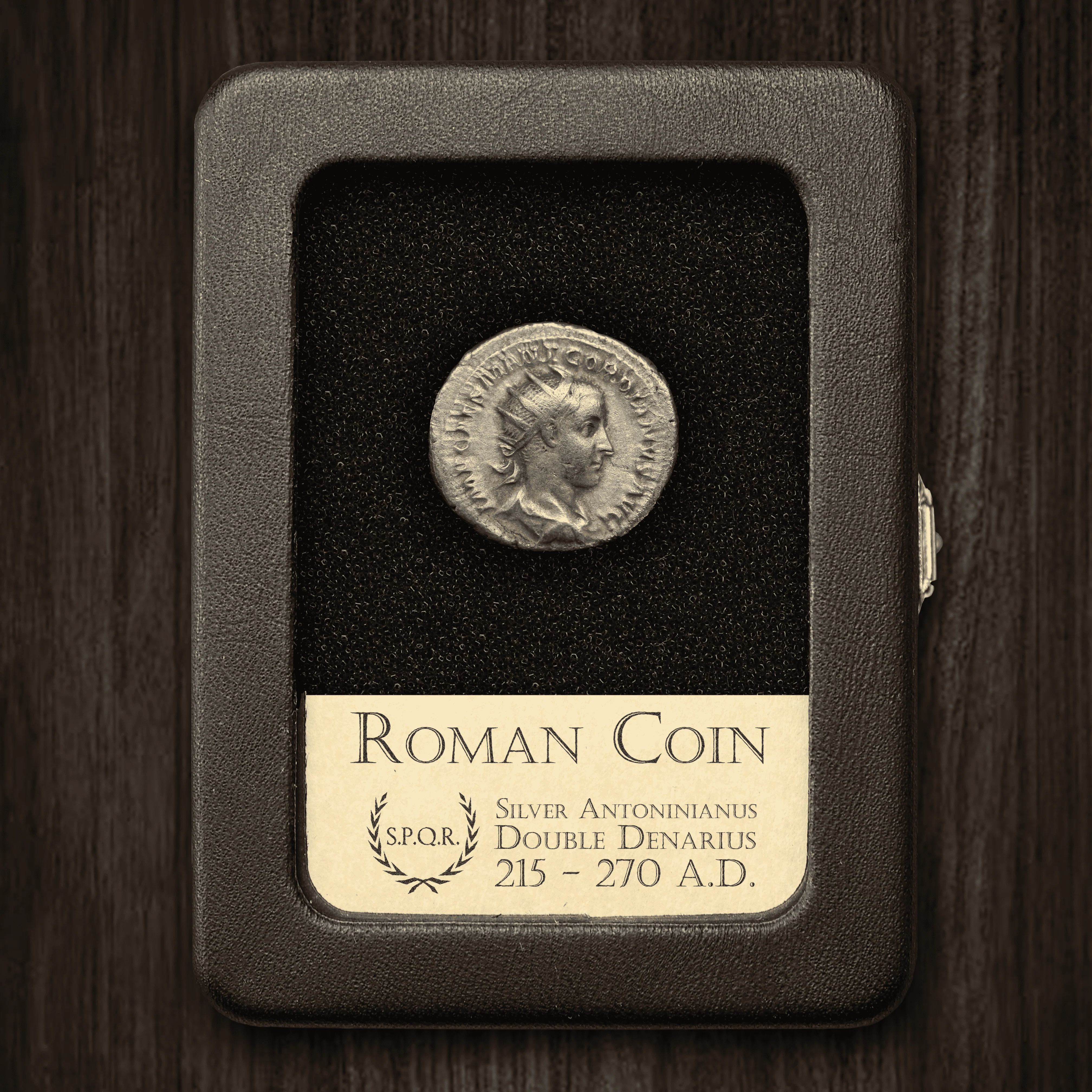
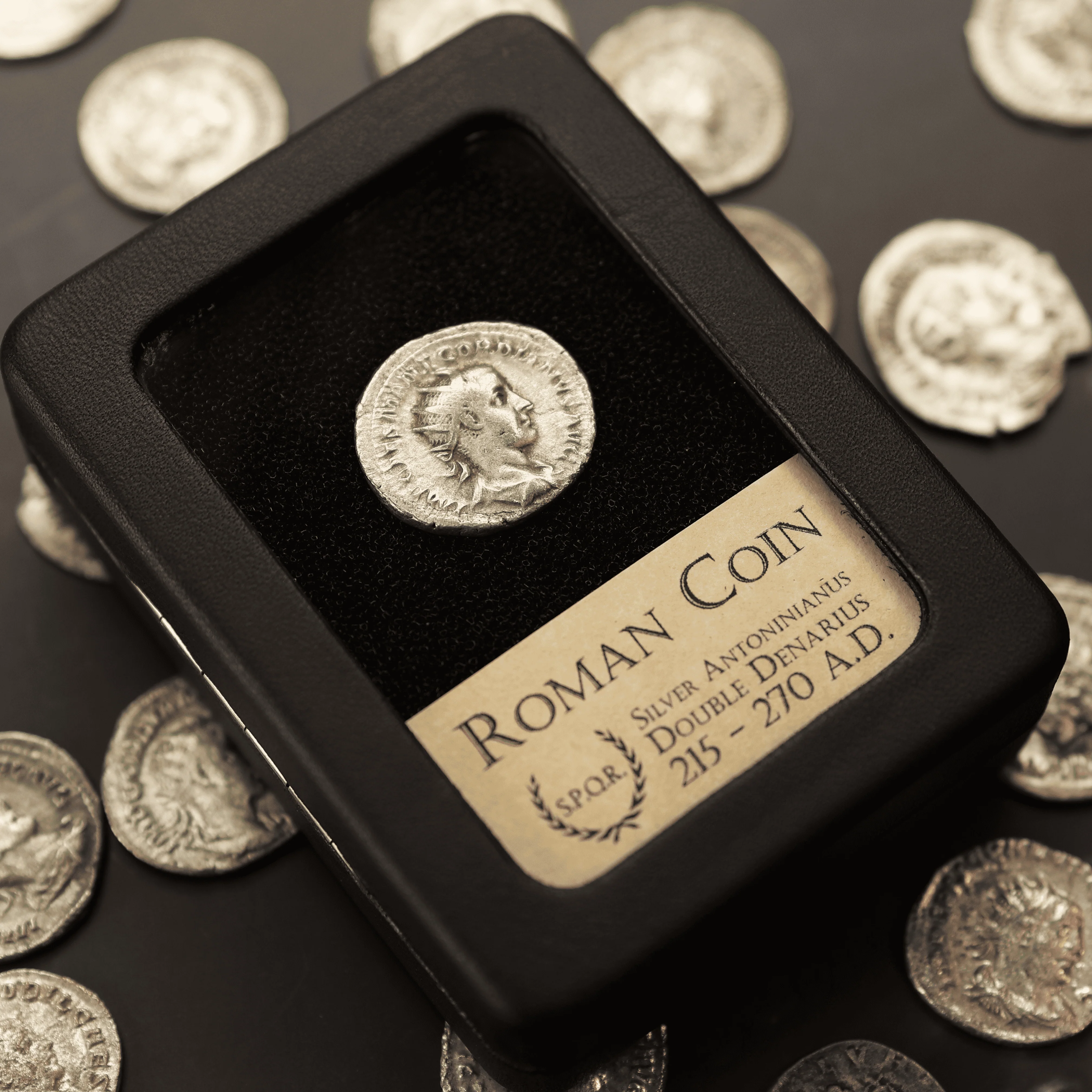
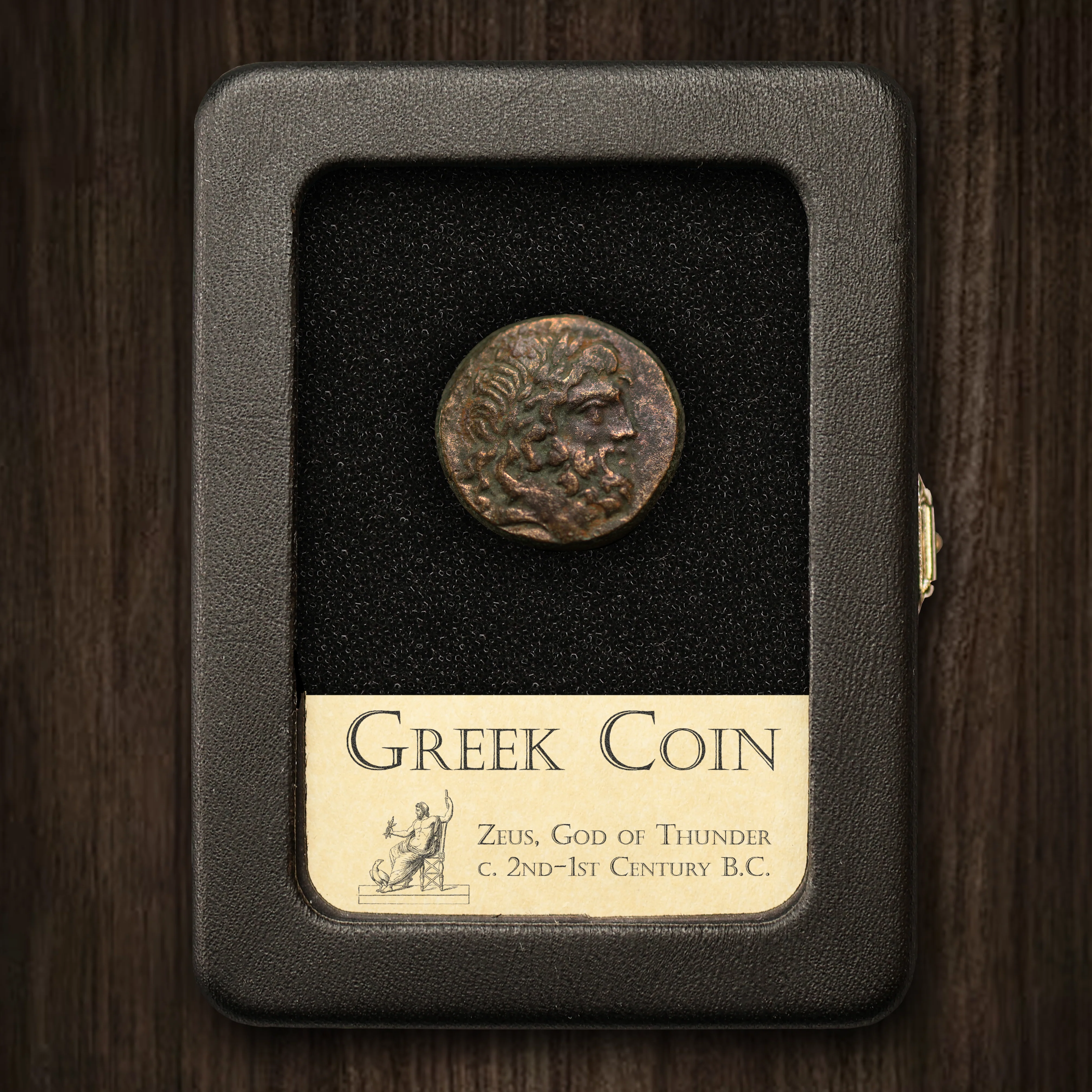
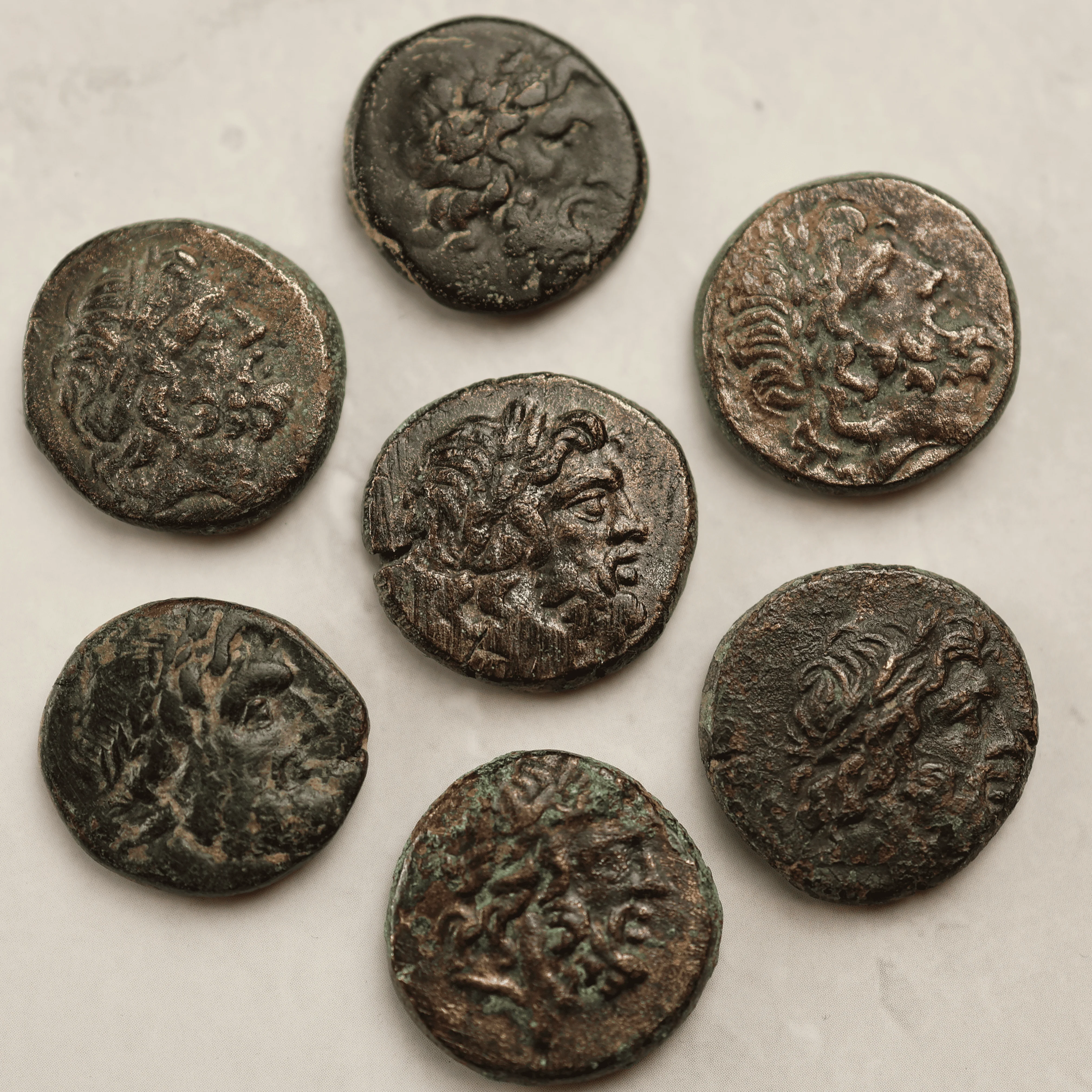
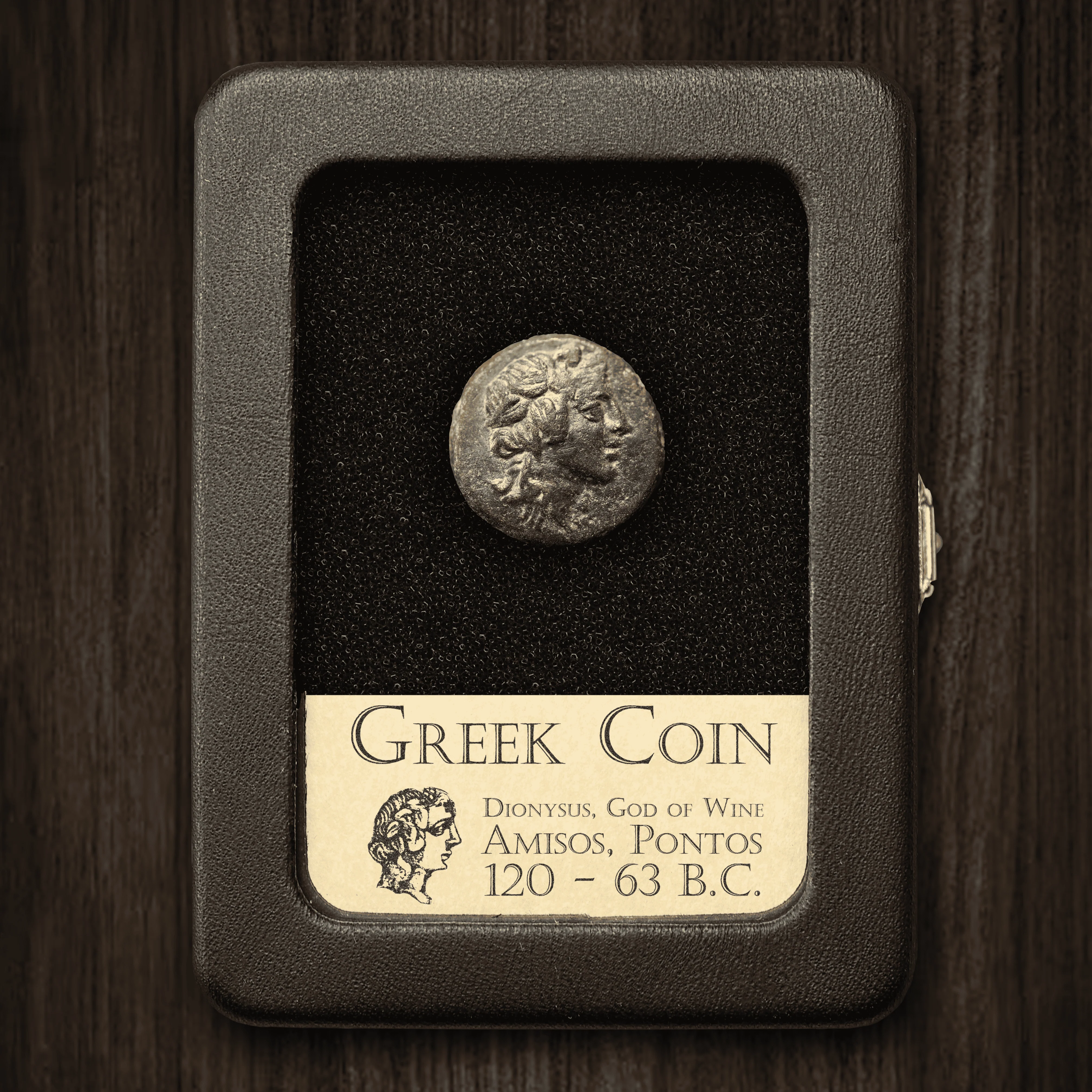
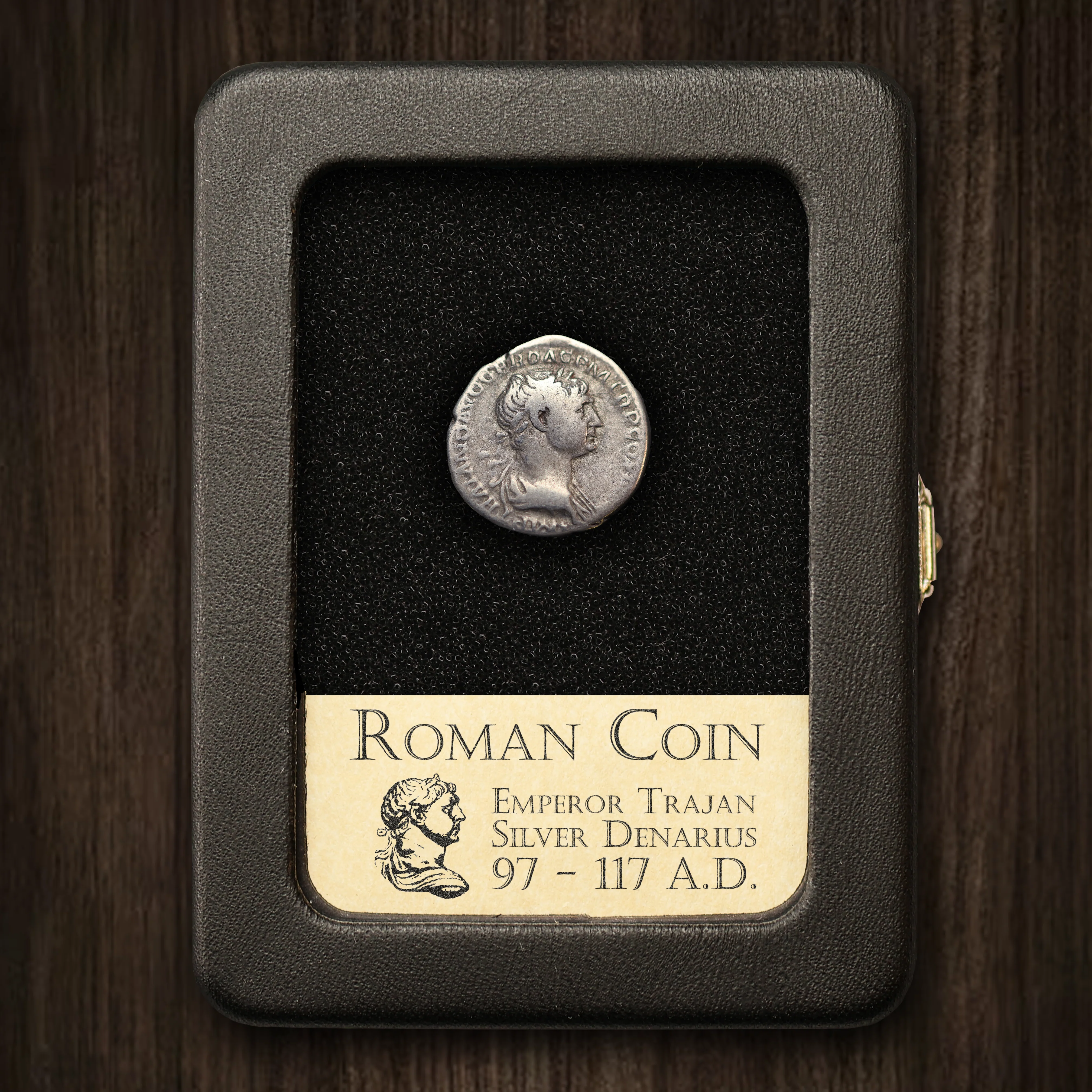
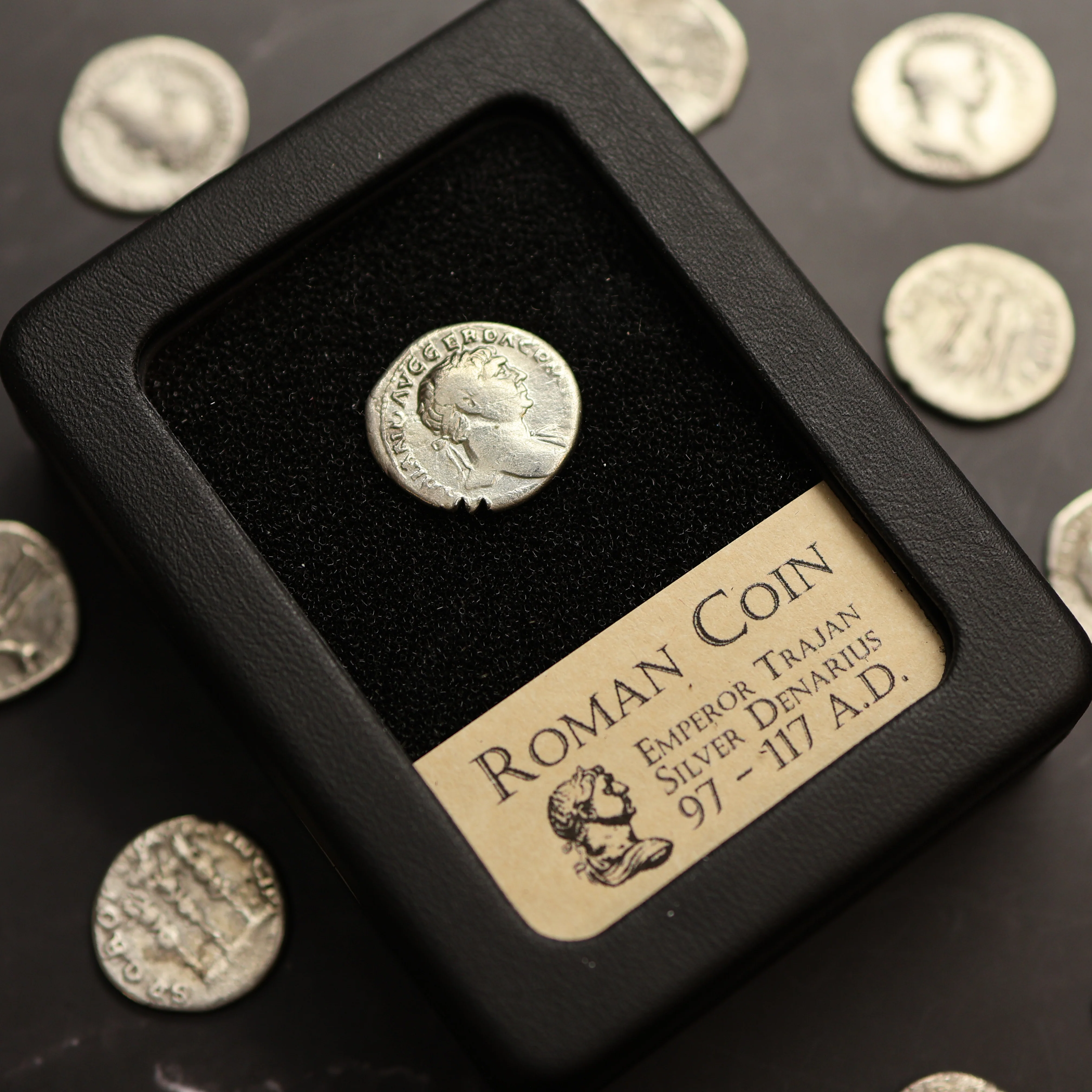
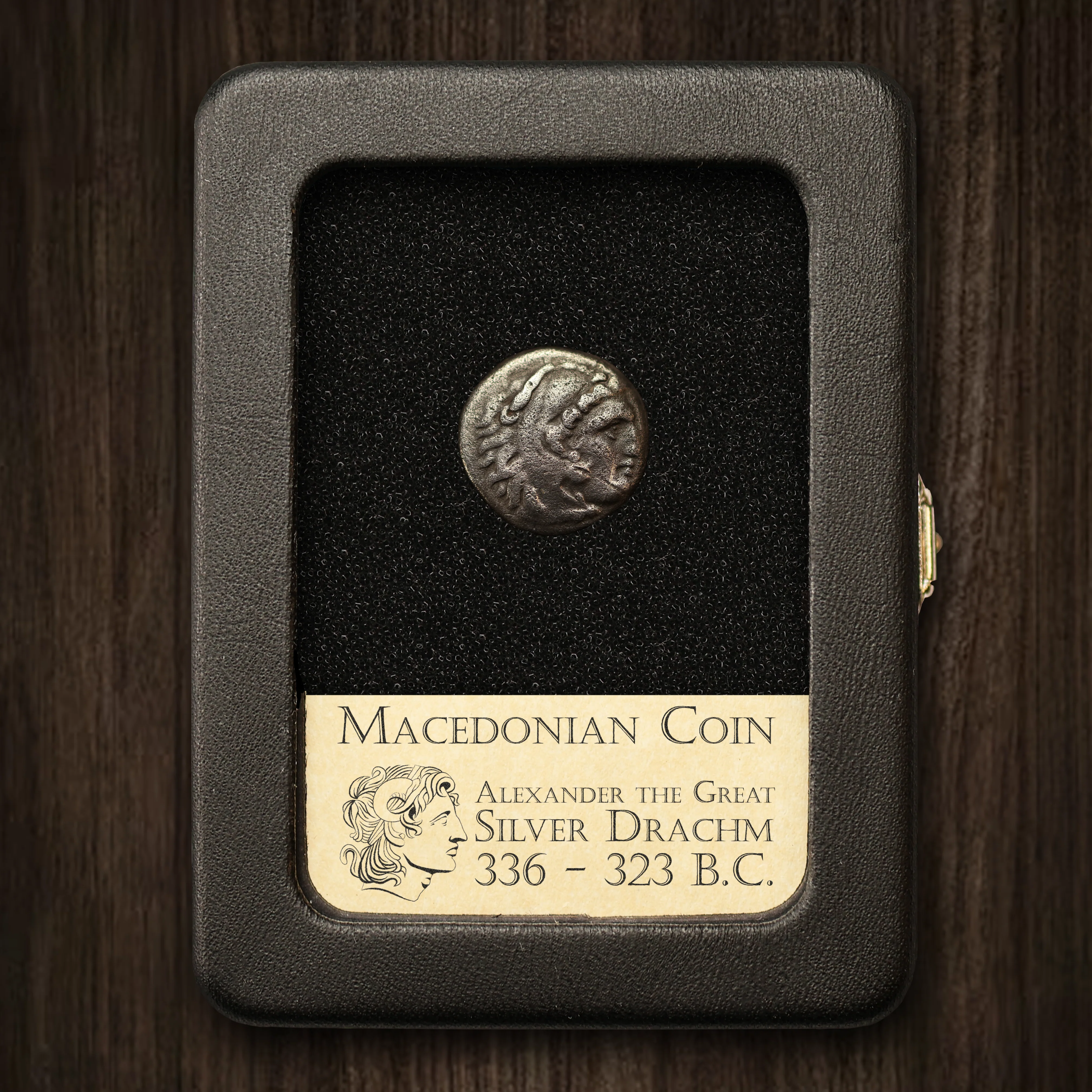
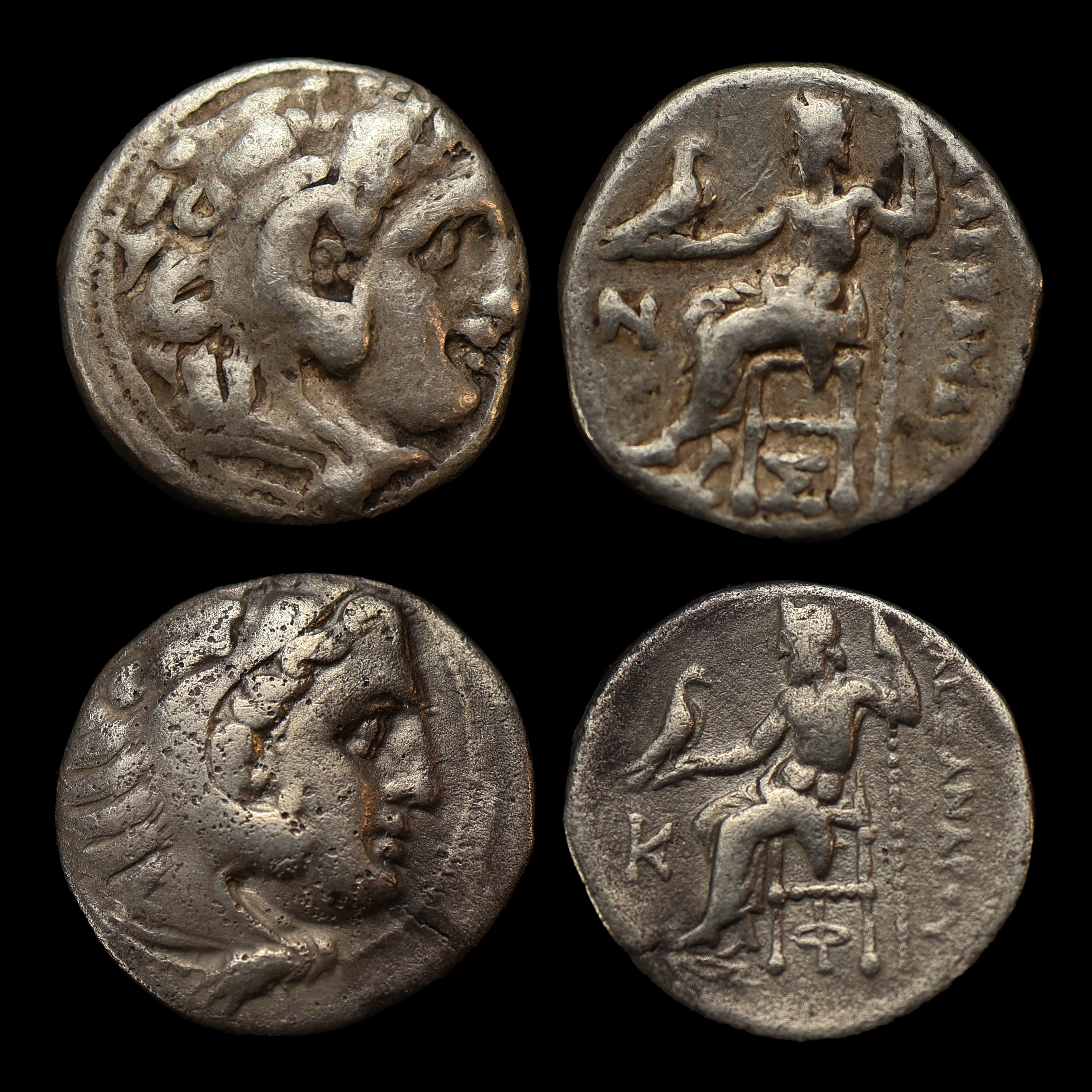
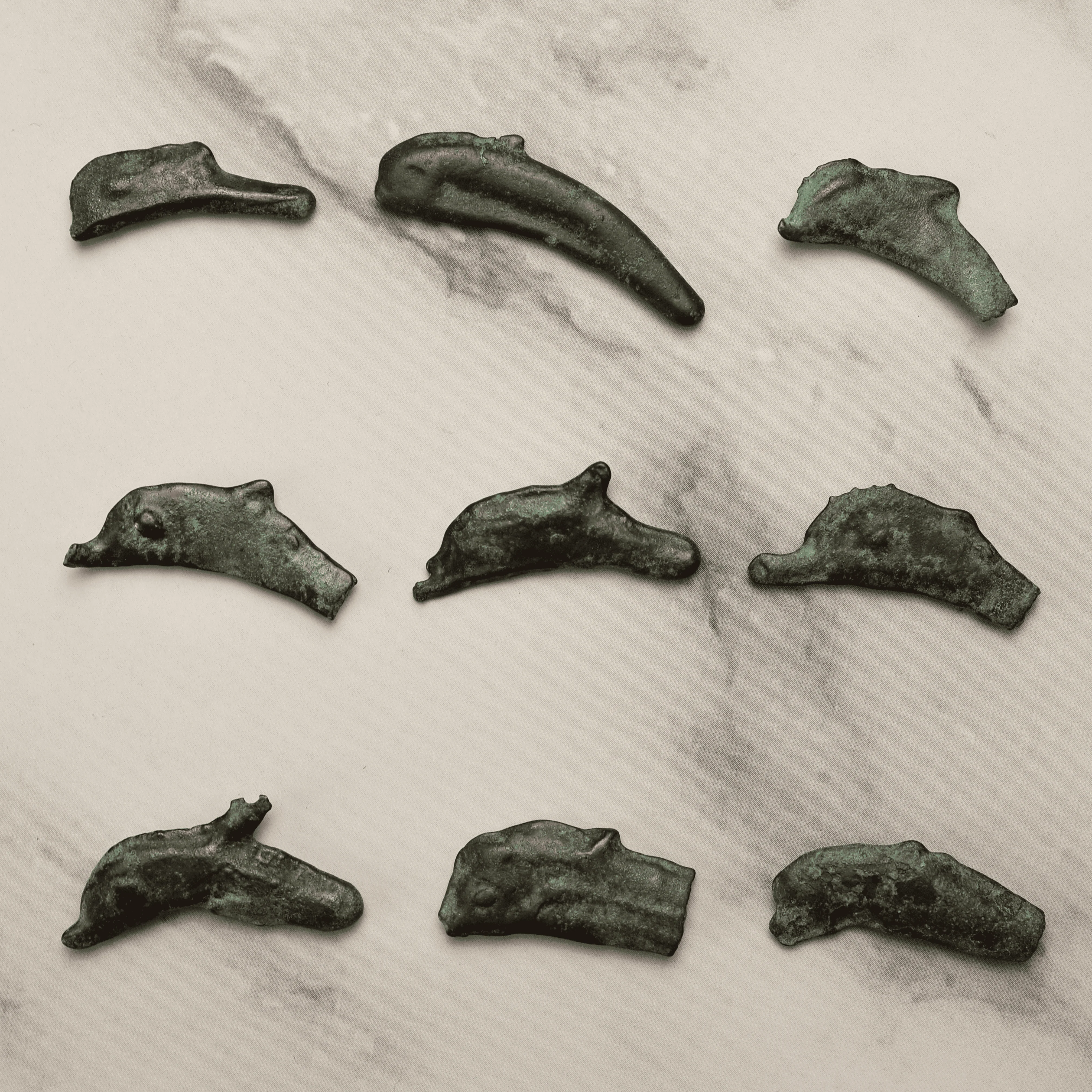
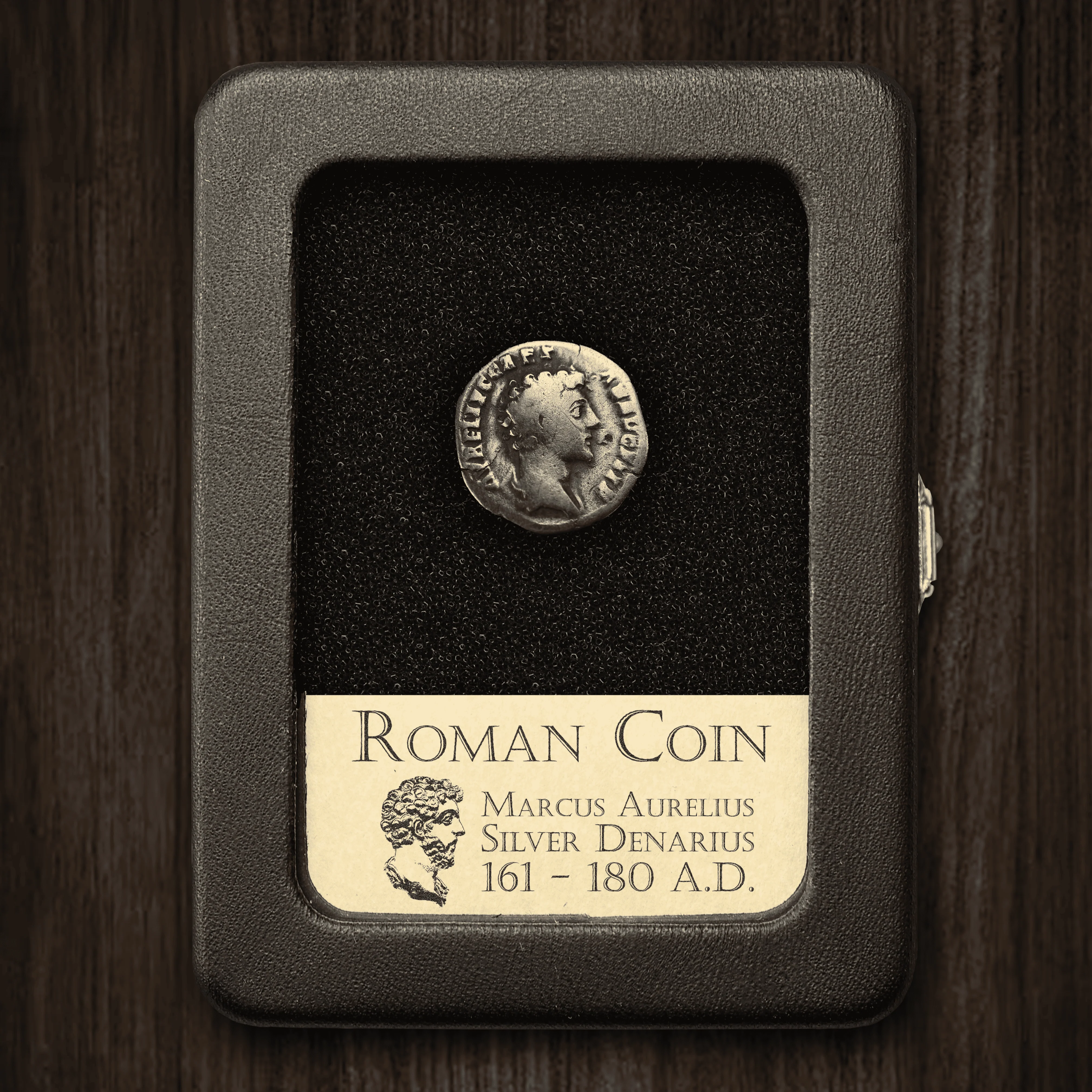
Your Roman Coin will look very similar to the one shown in the photos. There will always be some variety, given our items are unique historical pieces. The display case included is openable so that you may easily handle and closely observe the artifact. If for whatever reason you get anything that does not fit this description you are entitled to your money back!
Your order will include:
-
One authentic Roman Julian the Apostate Follis
-
Elegant protective case for preservation and display of your artifact
-
Certificate of Authenticity
Ancient Artifacts relics are guaranteed authentic and have a 100% money back policy. Read more about our Mission and Promise for authenticity.
Original: $78.98
-70%$78.98
$23.69More Images

Julian The Apostate | Bronze Follis
History of the Artifact
The bronze follis from the reign of Julian the Apostate offers a captivating glimpse into a brief but deeply symbolic chapter of Roman history. Minted during his short rule from 361 to 363 AD, these coins reflect the image of an emperor determined to revive Rome’s pagan traditions in a world rapidly embracing Christianity. Educated in philosophy and Neoplatonism, Julian rejected the faith he was raised in, reopening pagan temples, reinstating sacrifices, and attempting to reshape pagan worship into a structured rival to the Christian Church. Struck at imperial mints across the Eastern and Western provinces, the follis features a detailed bust of Julian, recognizable by his distinctive beard—an intentional nod to the philosophers of antiquity and his self-styled image as a philosopher-king.
Today, surviving examples of these folles serve not only as relics of a transitional moment in late antiquity, but as rare artifacts from the last pagan emperor’s ambitious—and ultimately doomed—campaign to restore the old gods of Rome.
How do I know these are original Roman Coins?
Ancient Artifacts guarantees the Authenticity of items sold through a three layer system of protection:
- Ancient Artifacts exclusively sources artifacts from trusted and reputable antique distributors, many of whom have been selling Artifacts for decades.
- Next, the Artifact is inspected by an expert team member, who is professionally trained in counterfeit detection After the artifact passes inspection, the Certificate of Authenticity is signed and the Artifact is packaged.
- Finally, Ancient Artifacts gives an additional layer of protection by promising a full refund with no questions asked, in the extremely unlikely event that a counterfeit slips through our vetting process.
What will my artifact look like?
Your Roman Coin will look very similar to the one shown in the photos. There will always be some variety, given our items are unique historical pieces. The display case included is openable so that you may easily handle and closely observe the artifact. If for whatever reason you get anything that does not fit this description you are entitled to your money back!
Your order will include:
-
One authentic Roman Julian the Apostate Follis
-
Elegant protective case for preservation and display of your artifact
-
Certificate of Authenticity
Ancient Artifacts relics are guaranteed authentic and have a 100% money back policy. Read more about our Mission and Promise for authenticity.
Product Information
Product Information
Shipping & Returns
Shipping & Returns
Description
History of the Artifact
The bronze follis from the reign of Julian the Apostate offers a captivating glimpse into a brief but deeply symbolic chapter of Roman history. Minted during his short rule from 361 to 363 AD, these coins reflect the image of an emperor determined to revive Rome’s pagan traditions in a world rapidly embracing Christianity. Educated in philosophy and Neoplatonism, Julian rejected the faith he was raised in, reopening pagan temples, reinstating sacrifices, and attempting to reshape pagan worship into a structured rival to the Christian Church. Struck at imperial mints across the Eastern and Western provinces, the follis features a detailed bust of Julian, recognizable by his distinctive beard—an intentional nod to the philosophers of antiquity and his self-styled image as a philosopher-king.
Today, surviving examples of these folles serve not only as relics of a transitional moment in late antiquity, but as rare artifacts from the last pagan emperor’s ambitious—and ultimately doomed—campaign to restore the old gods of Rome.
How do I know these are original Roman Coins?
Ancient Artifacts guarantees the Authenticity of items sold through a three layer system of protection:
- Ancient Artifacts exclusively sources artifacts from trusted and reputable antique distributors, many of whom have been selling Artifacts for decades.
- Next, the Artifact is inspected by an expert team member, who is professionally trained in counterfeit detection After the artifact passes inspection, the Certificate of Authenticity is signed and the Artifact is packaged.
- Finally, Ancient Artifacts gives an additional layer of protection by promising a full refund with no questions asked, in the extremely unlikely event that a counterfeit slips through our vetting process.
What will my artifact look like?
Your Roman Coin will look very similar to the one shown in the photos. There will always be some variety, given our items are unique historical pieces. The display case included is openable so that you may easily handle and closely observe the artifact. If for whatever reason you get anything that does not fit this description you are entitled to your money back!
Your order will include:
-
One authentic Roman Julian the Apostate Follis
-
Elegant protective case for preservation and display of your artifact
-
Certificate of Authenticity
Ancient Artifacts relics are guaranteed authentic and have a 100% money back policy. Read more about our Mission and Promise for authenticity.