Christian Roman Coin | Bronze Nummis
History of the Artifact
Bronze nummi bearing a cross on the reverse are emblematic of the increasing integration of Christianity into the fabric of the late Roman state, especially under the reigns of emperors like Theodosius II and his successors. By the fifth century, Christian symbols were becoming more prevalent on coinage, reflecting the empire's official embrace of Christianity following Constantine’s earlier reforms and Theodosius II's issuing of the Edict of Thessalonica, which declared Nicene Christianity as the state religion, effectively making it the official religion of the empire. The cross, a potent symbol of the Christian faith, began to appear regularly on small bronze denominations, including these nummi, which were the lowest-value coins in circulation at the time.
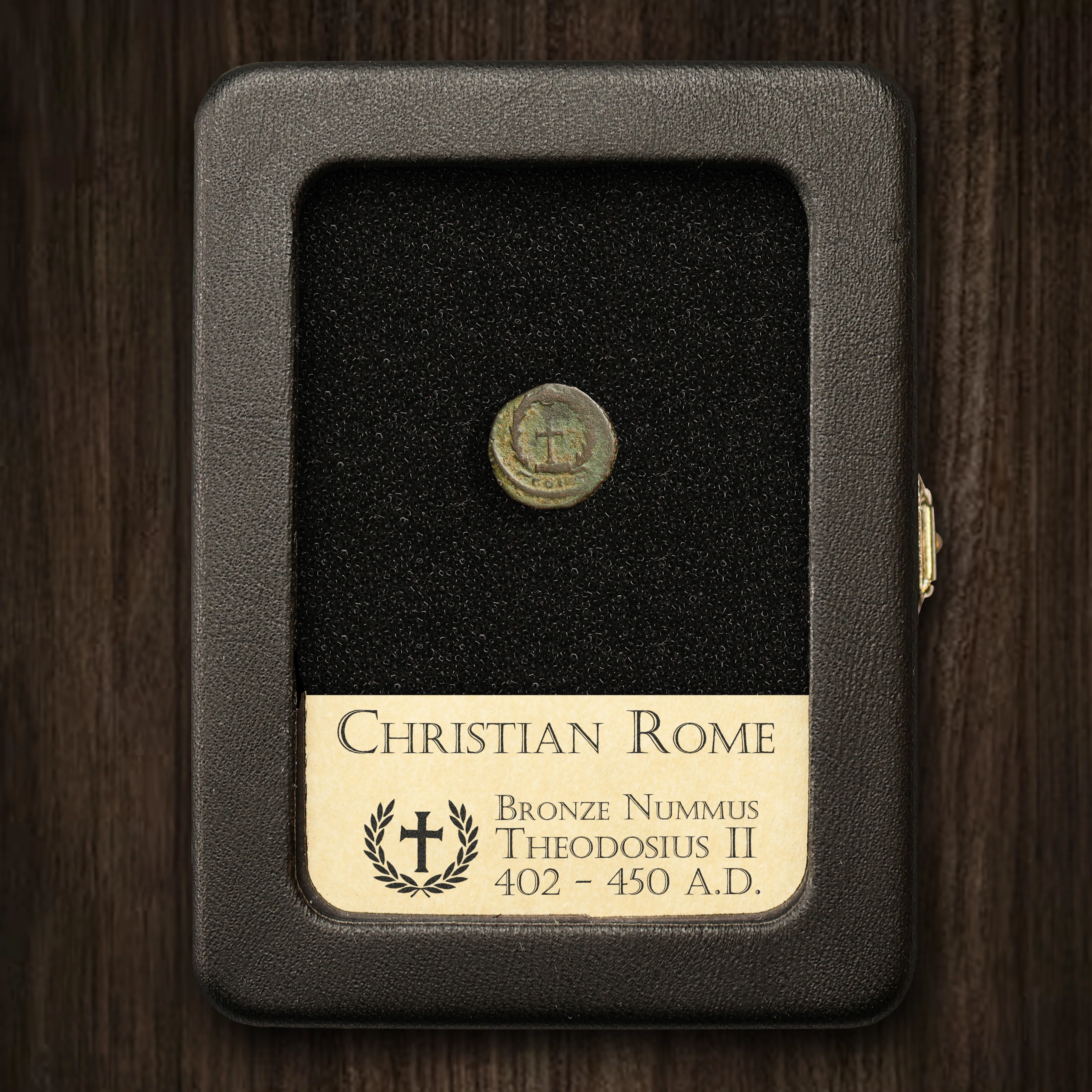
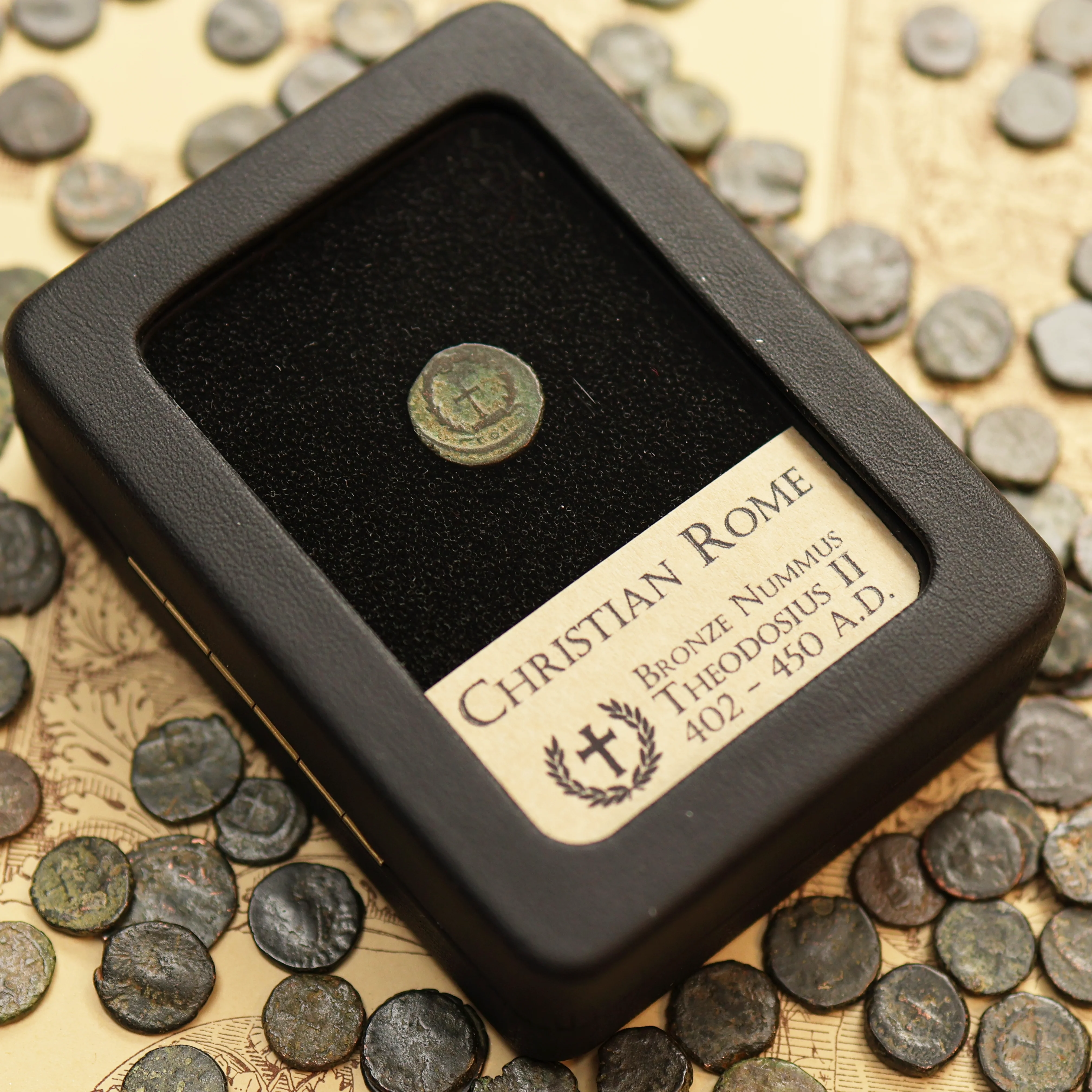
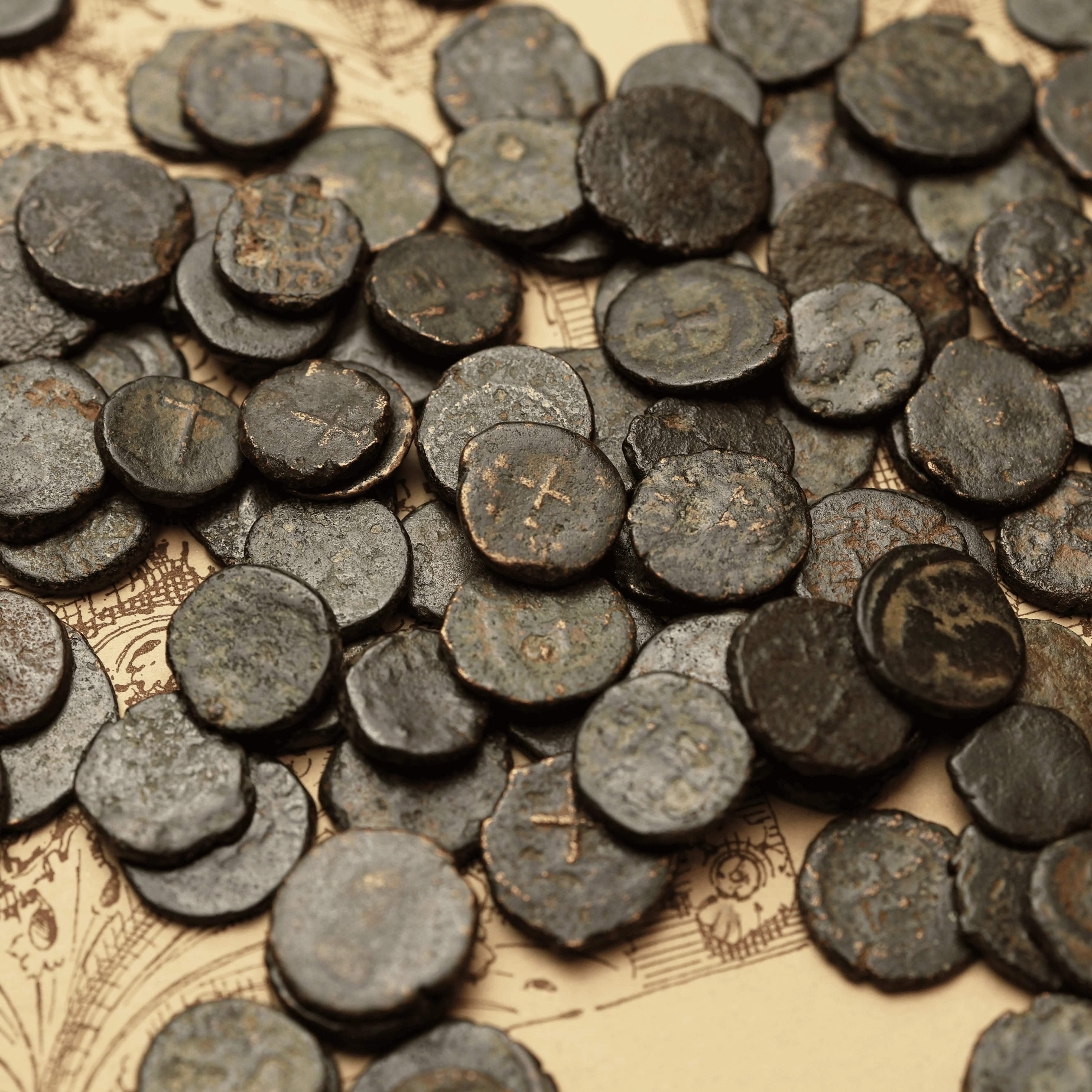
These coins feature a simplified imperial bust on the obverse—sometimes barely more than an abstract outline of the emperor’s profile—and on the reverse, a plain cross, either standing alone or sometimes set on a stepped base or globe. The most basic version is a simple Greek cross, often unadorned and centrally placed, meant to convey the dominance of the Christian faith within the empire. Inscriptions might be minimal or absent altogether, especially on the smallest pieces, though some issues bear legends such as "GLORIA ROMANORVM" or "SALVS REIPVBLICAE" alongside the cross.
Coins with crosses on the reverse became especially common in the Eastern Roman Empire and can often be traced to mints in Constantinople, Antioch, or Alexandria. Their widespread production and circulation suggest they were meant for the general populace and were part of the imperial effort to associate the emperor's authority with divine sanction. These cross types marked a distinct shift from the pagan iconography of earlier centuries, visually reinforcing the unity of church and state. Today, they are commonly found in late Roman coin lots and archaeological excavations and serve as clear, tangible artifacts of the Christianized Roman world.
How do I know these are original Roman Coins?
Ancient Artifacts guarantees the Authenticity of items sold through a three layer system of protection:
- Ancient Artifacts exclusively sources artifacts from trusted and reputable antique distributors, many of whom have been selling Artifacts for decades.
- Next, the Artifact is inspected by an expert team member, who is professionally trained in counterfeit detection After the artifact passes inspection, the Certificate of Authenticity is signed and the Artifact is packaged.
- Finally, Ancient Artifacts gives an additional layer of protection by promising a full refund with no questions asked, in the extremely unlikely event that a counterfeit slips through our vetting process.
What will my artifact look like?
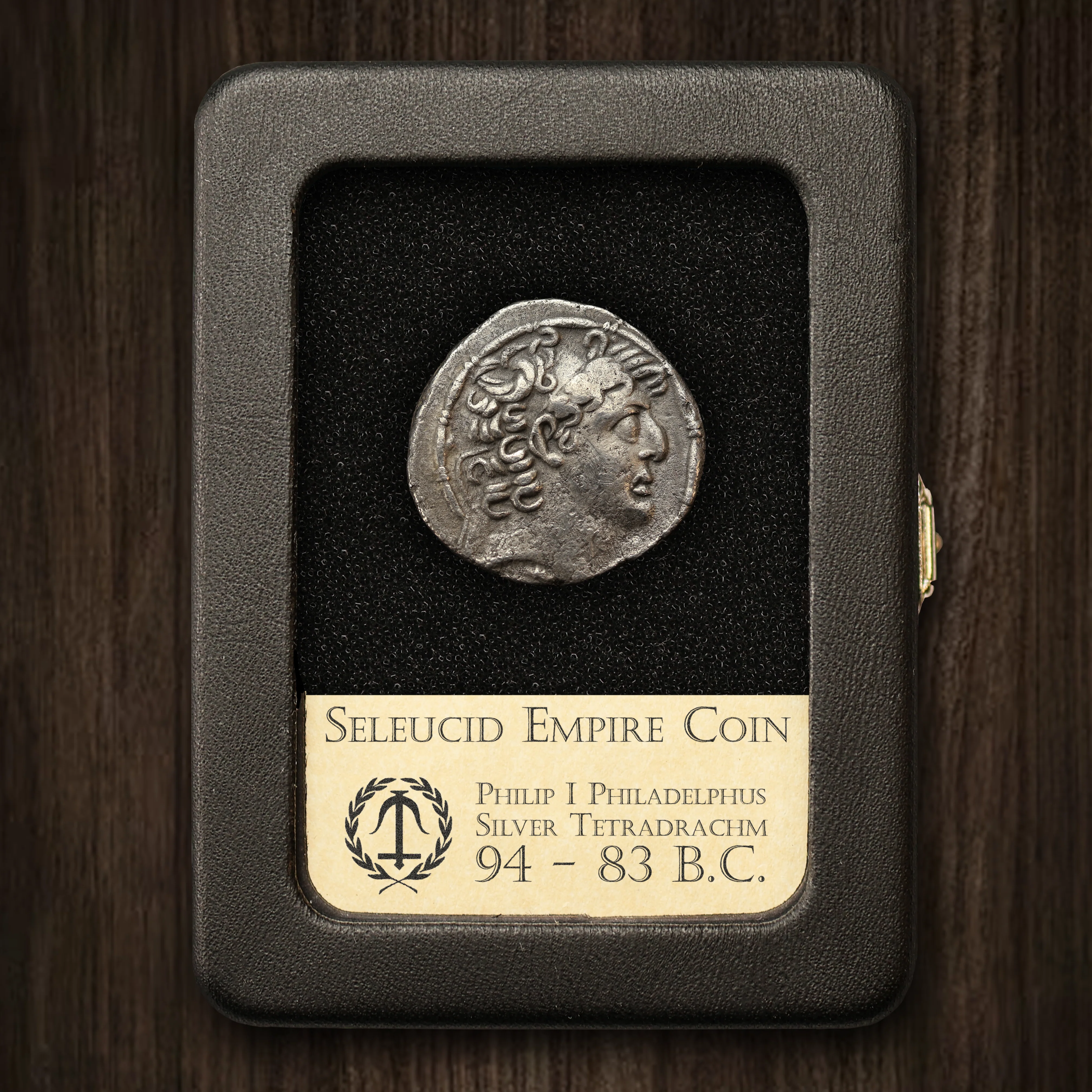
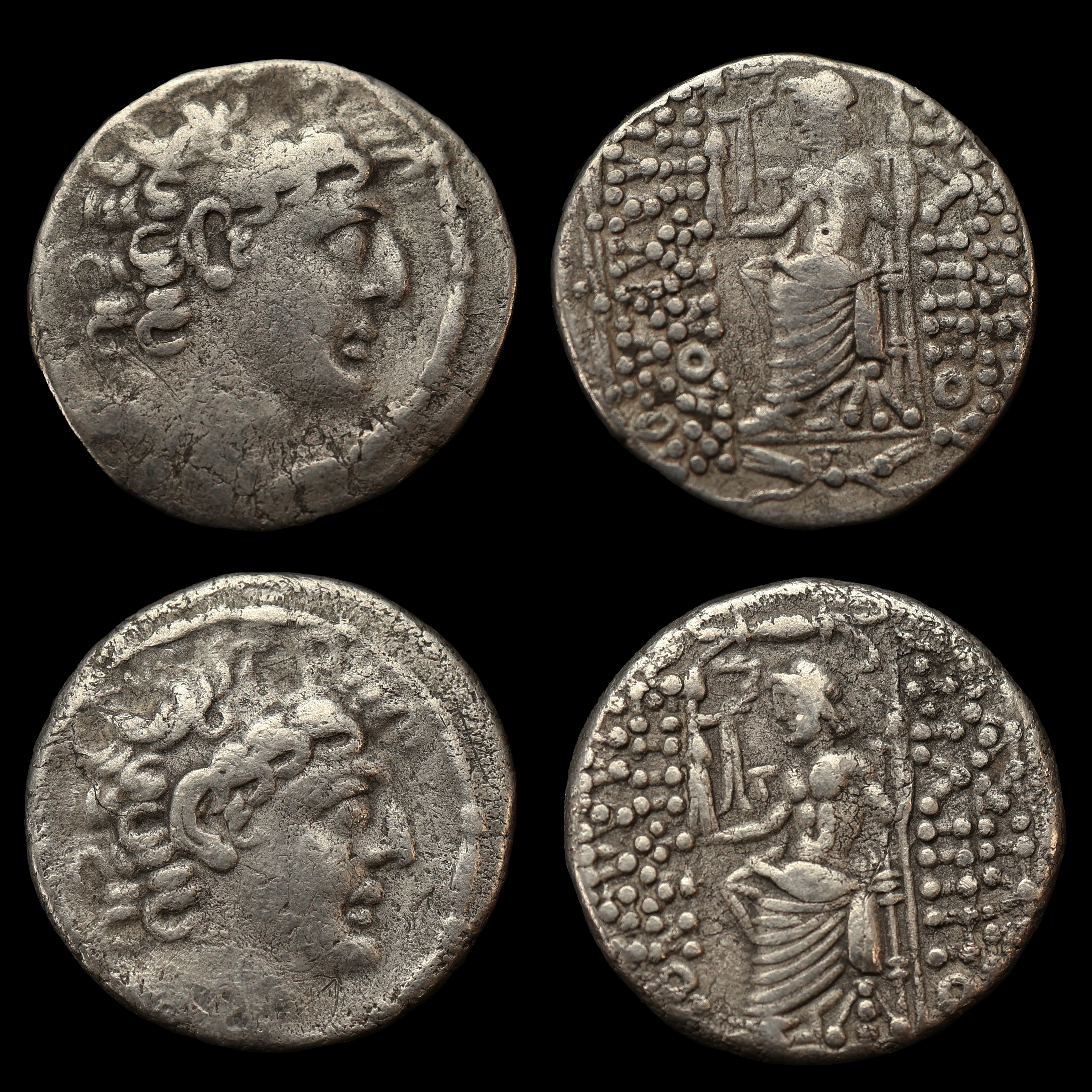
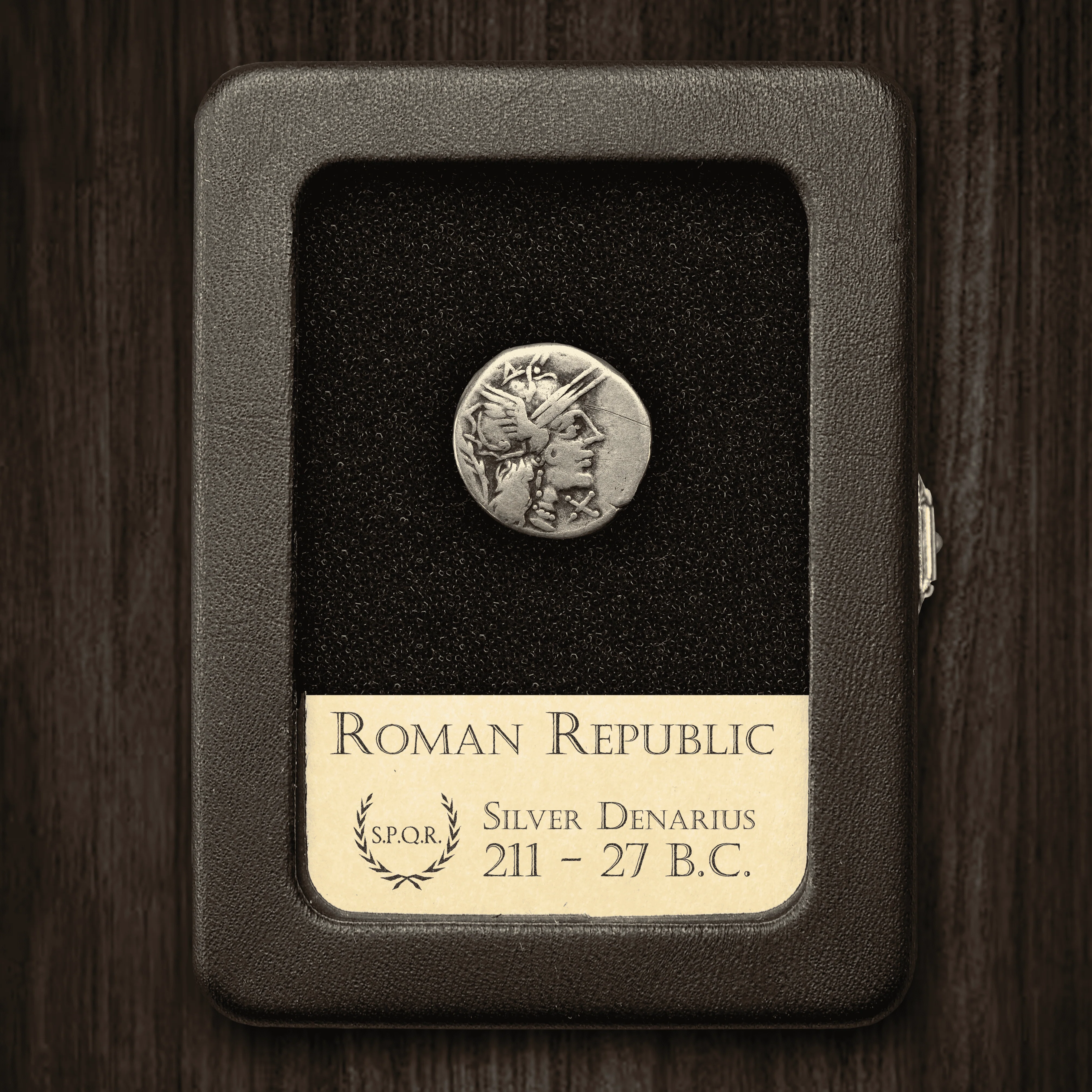
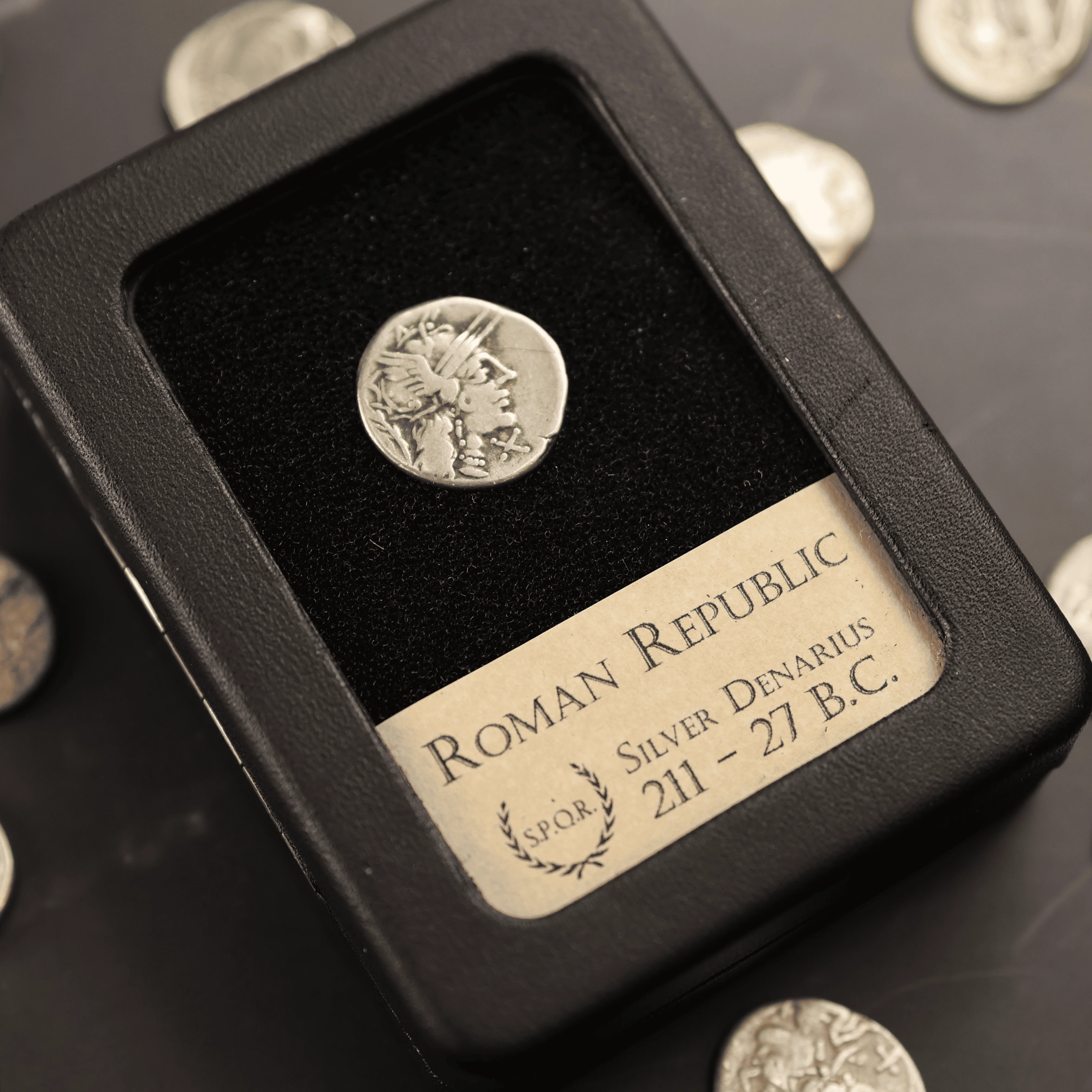
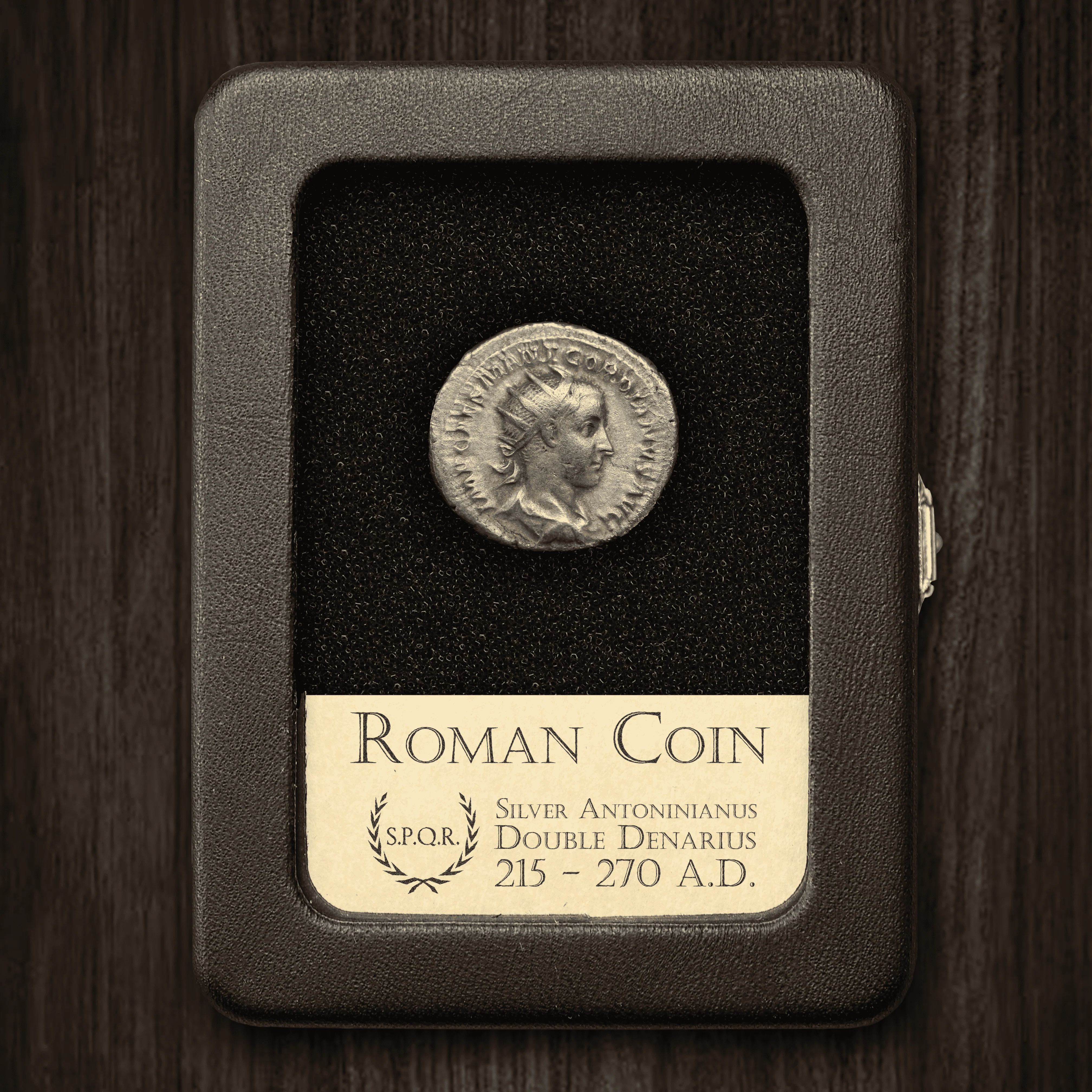
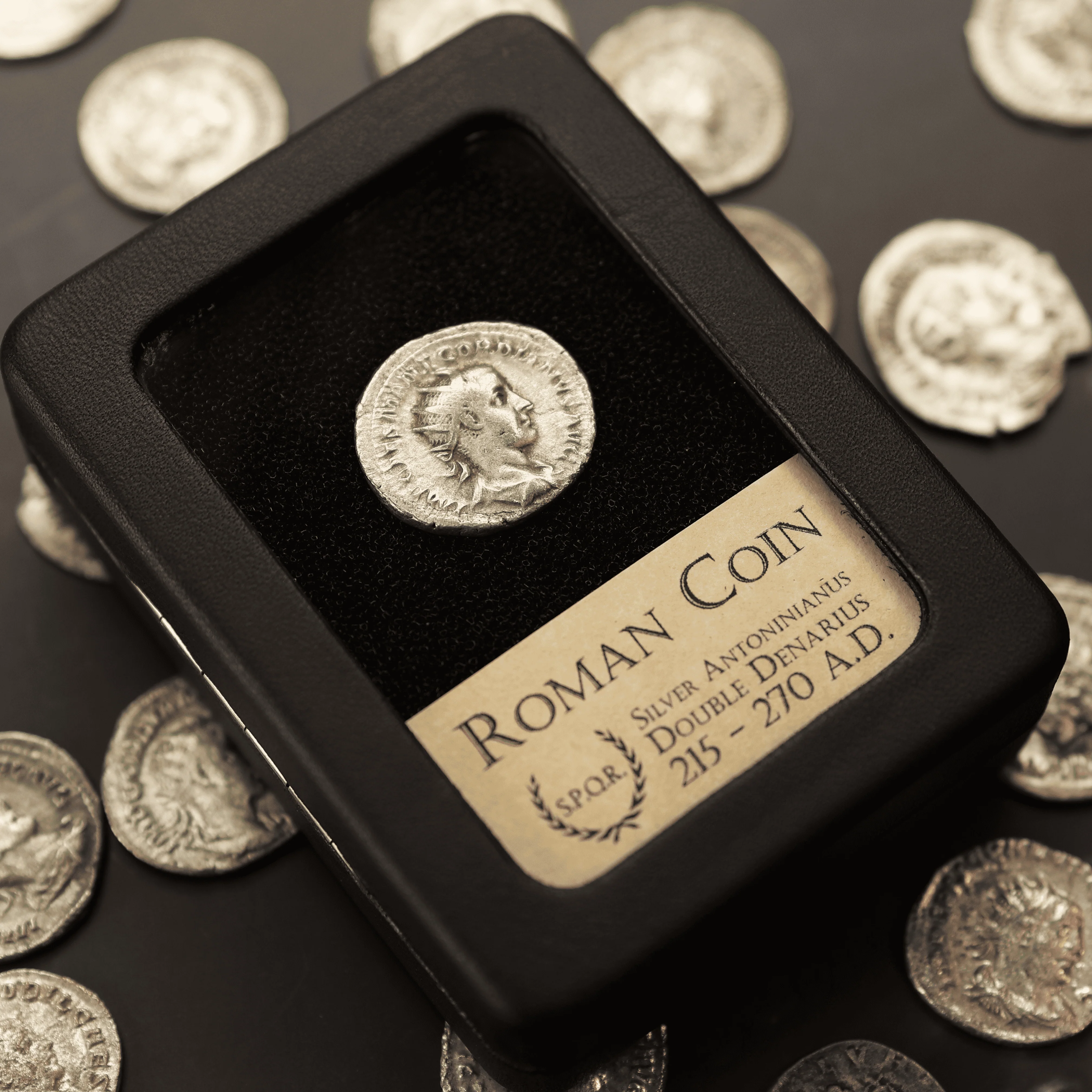
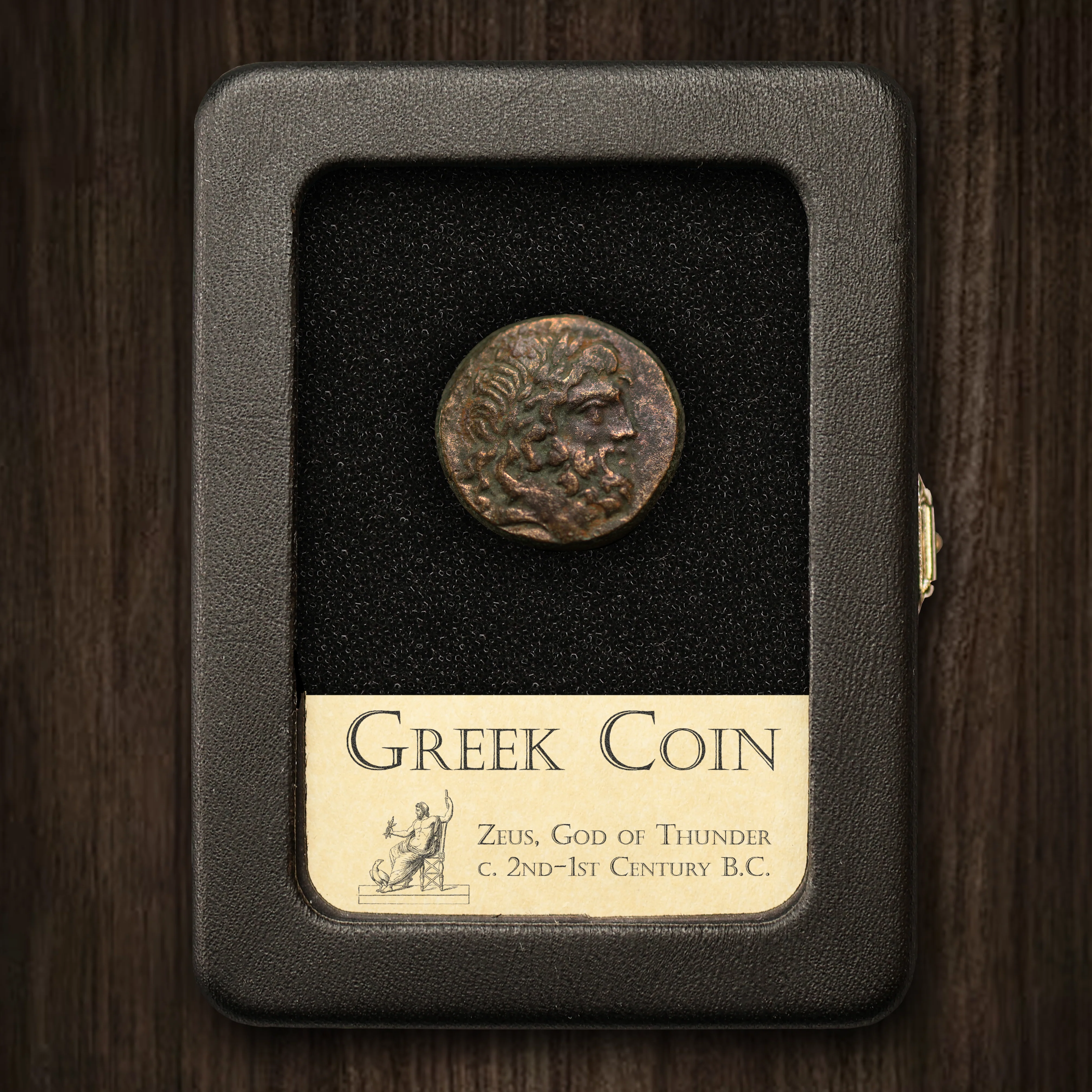
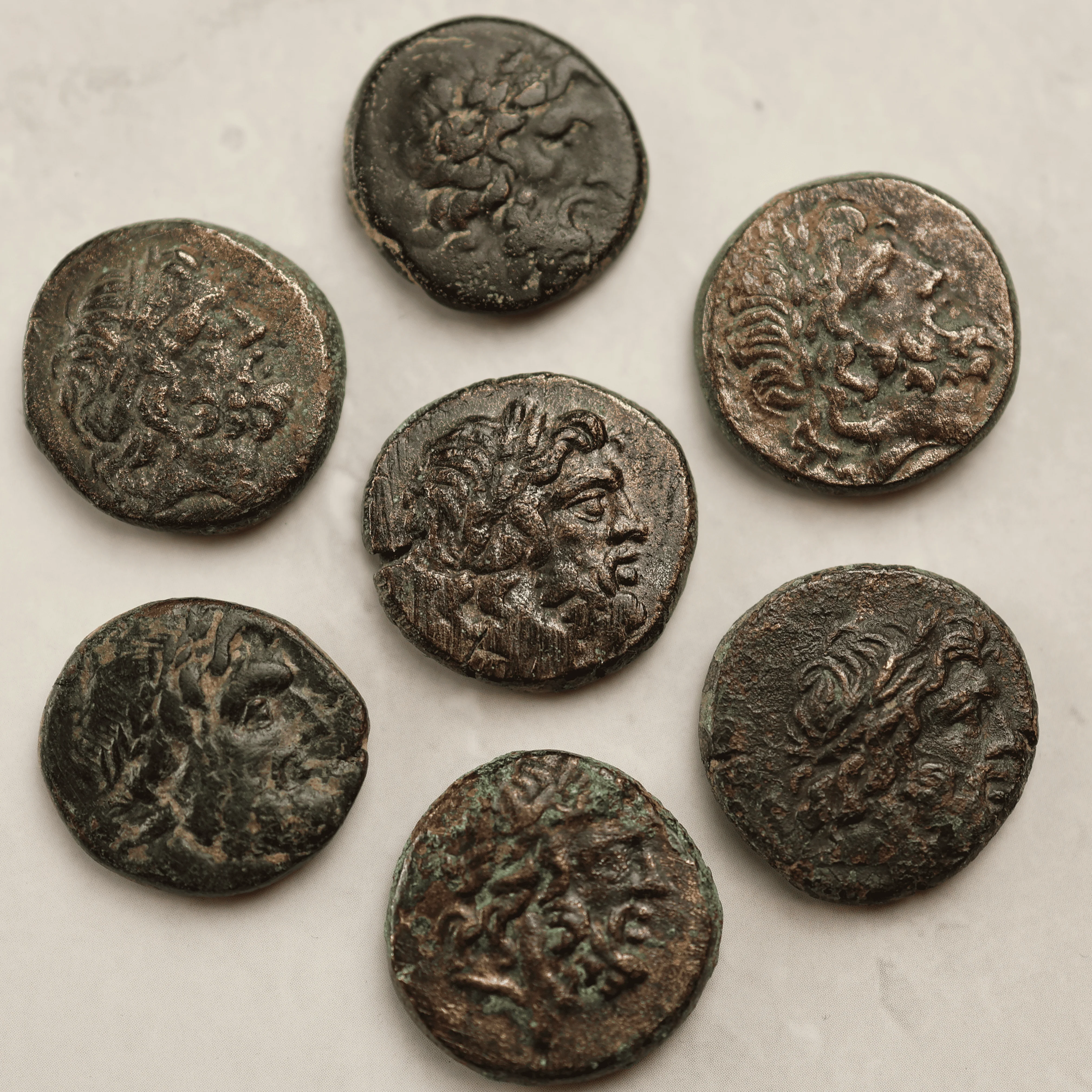
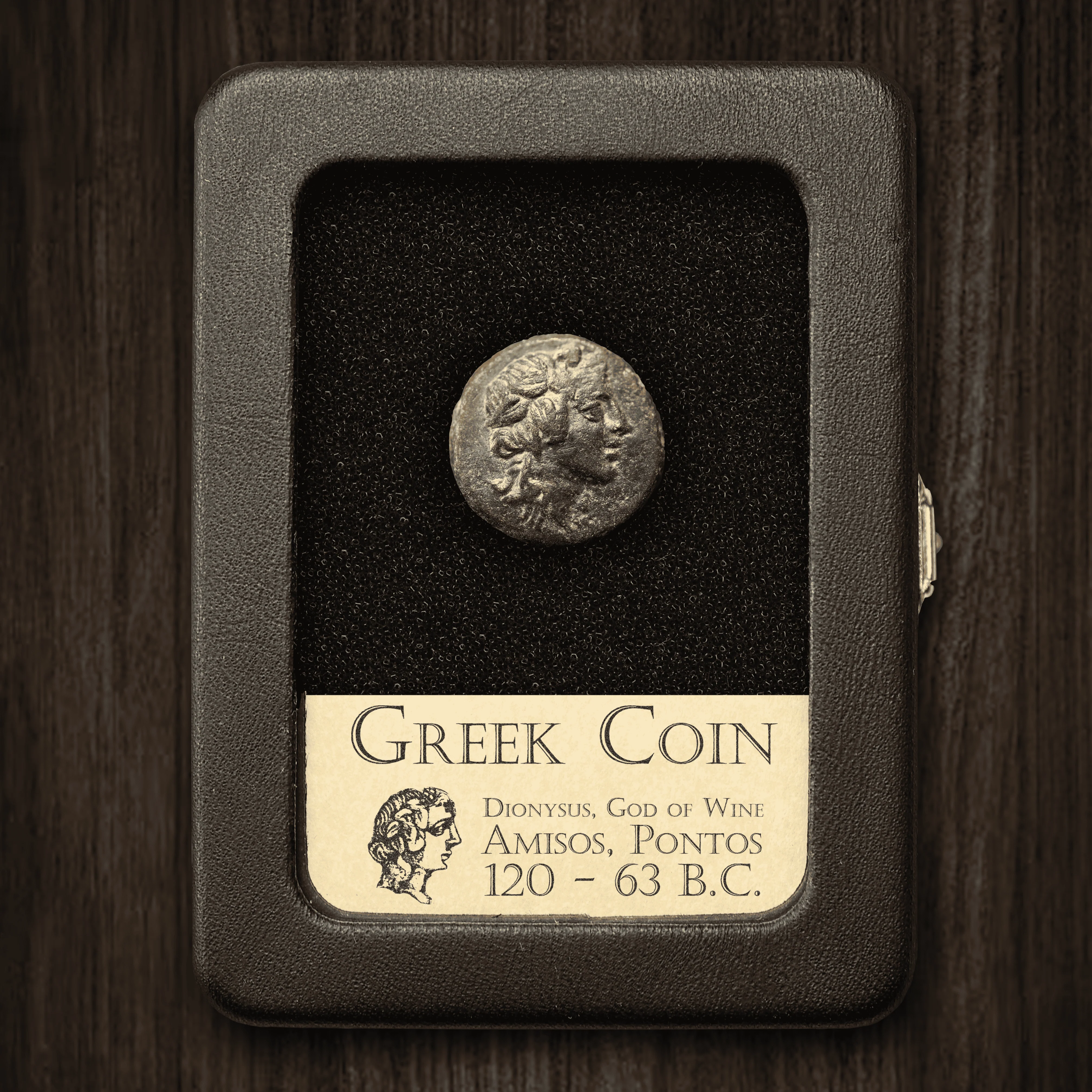
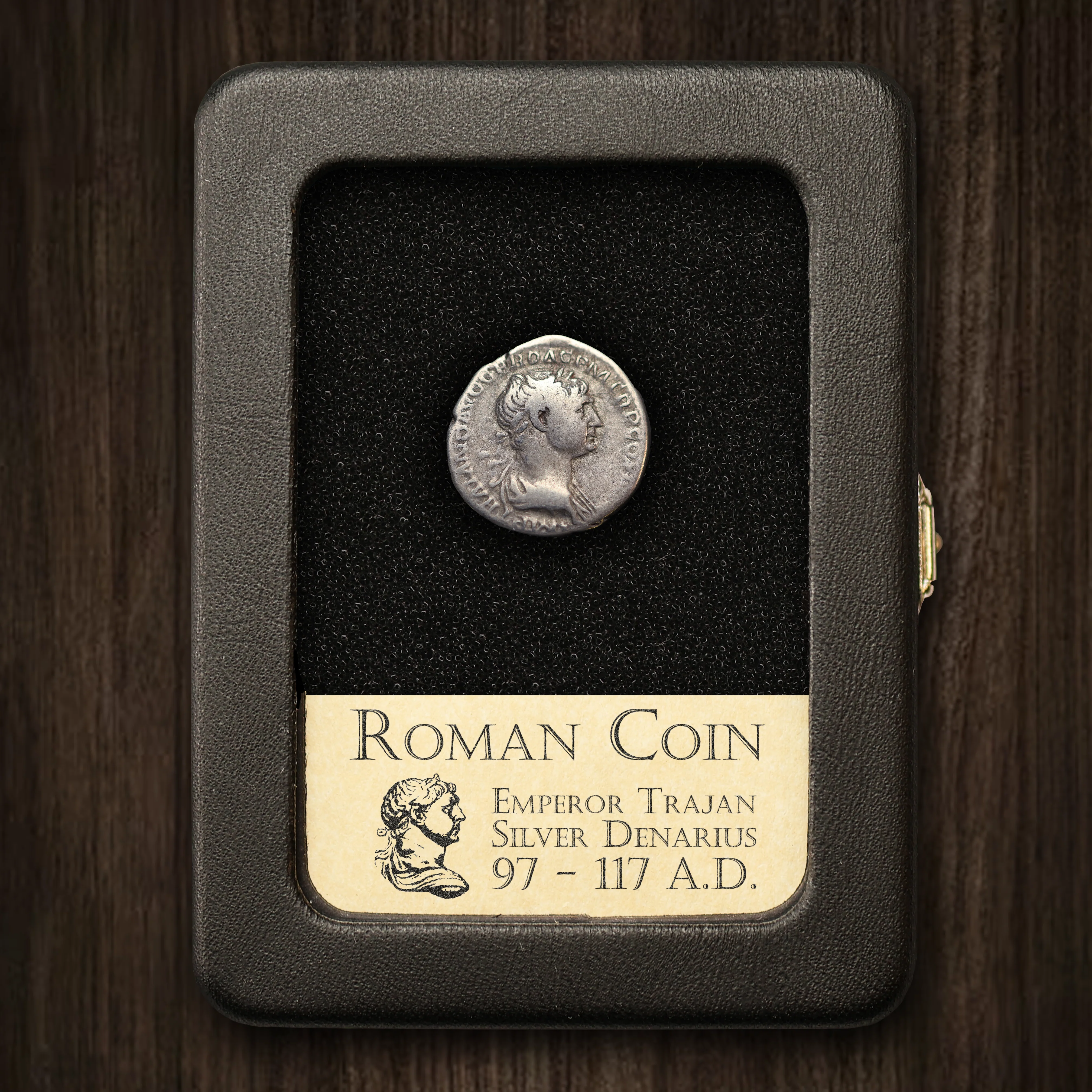
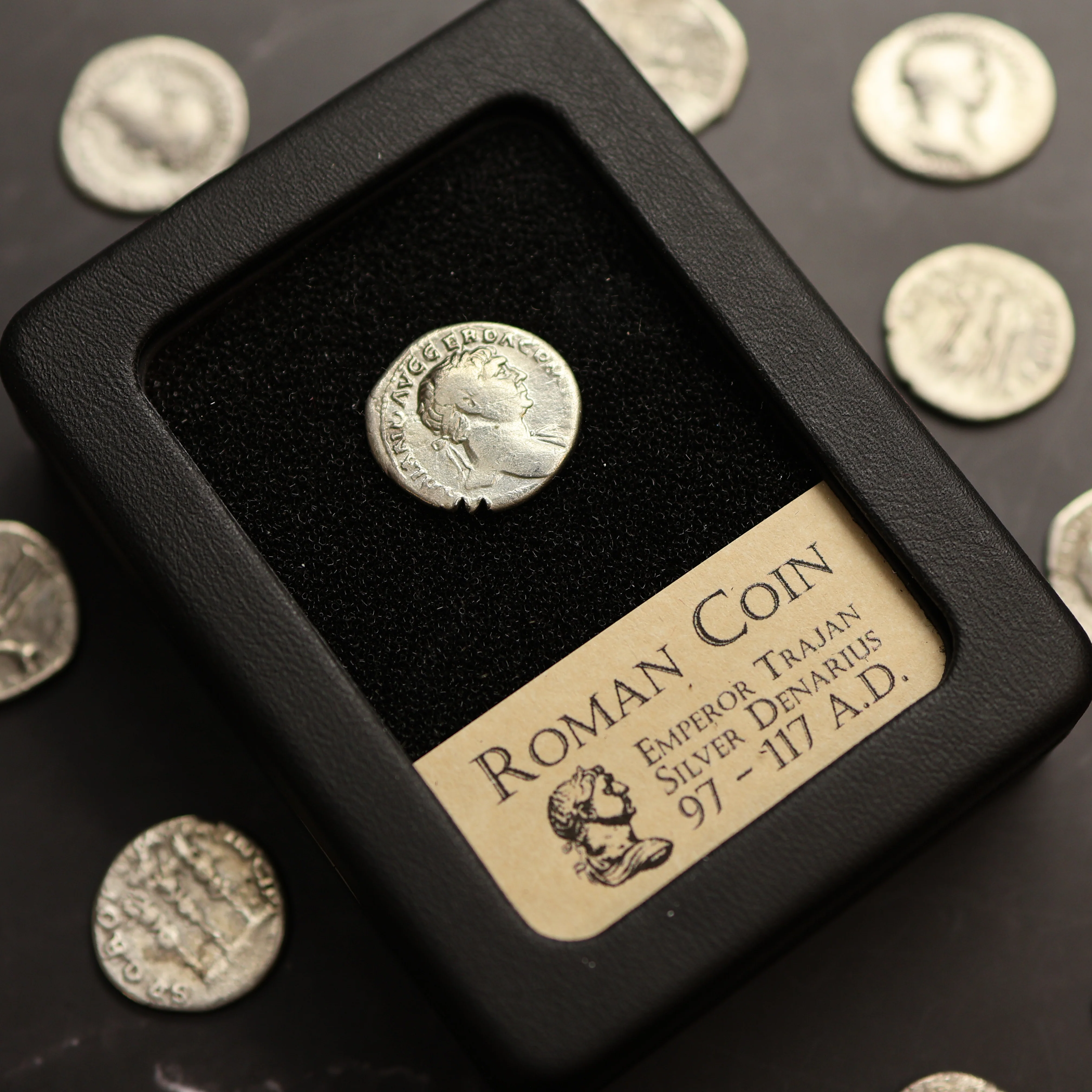
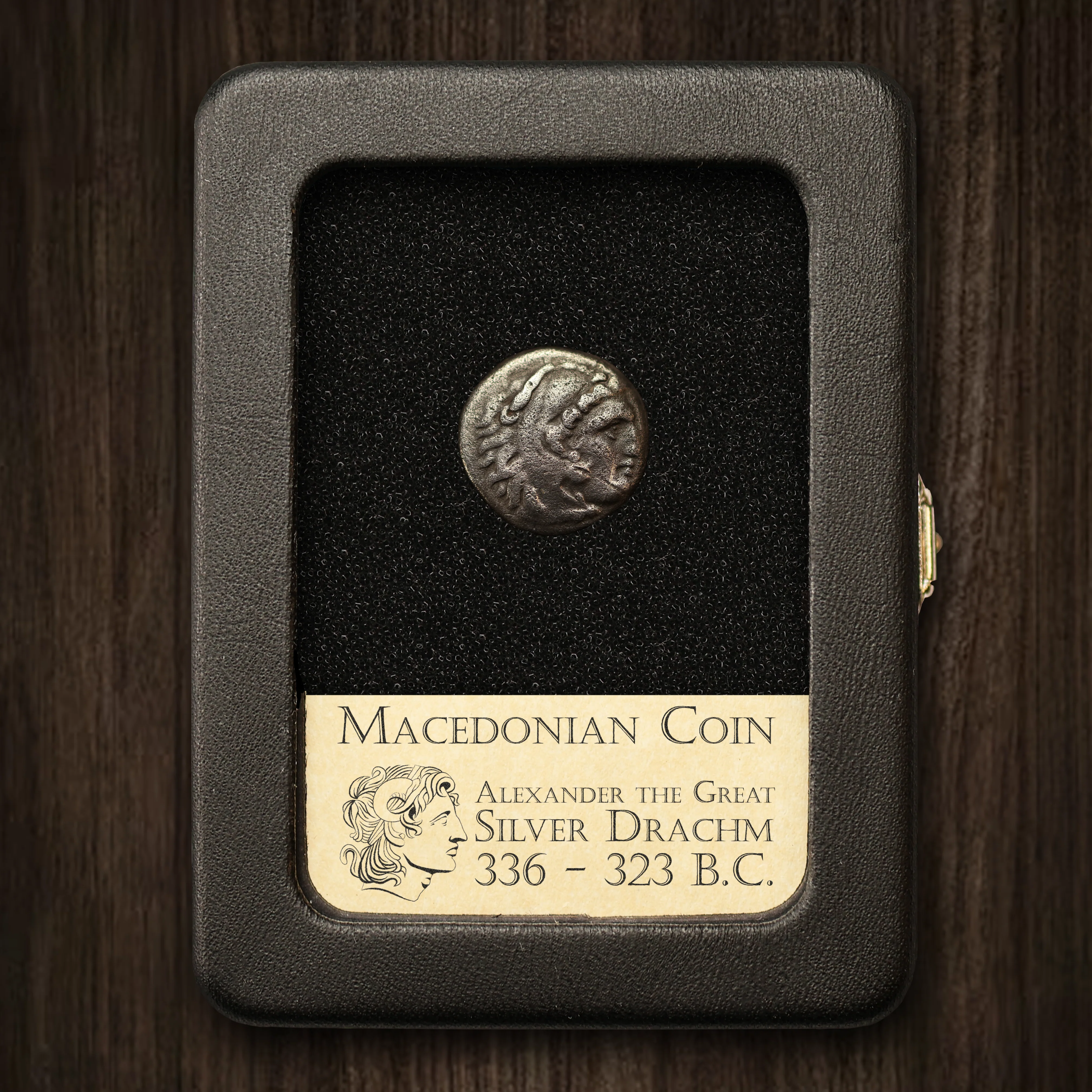
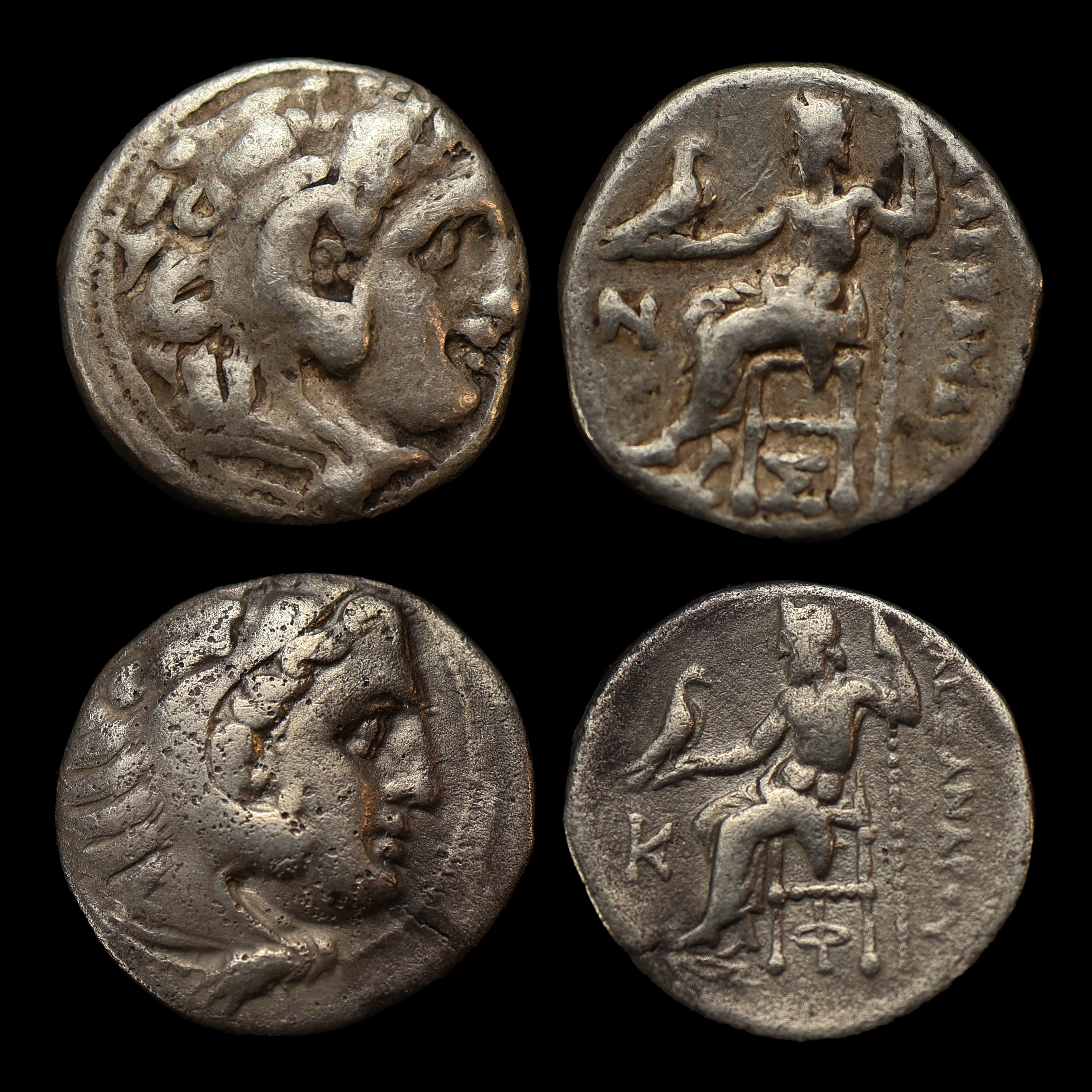
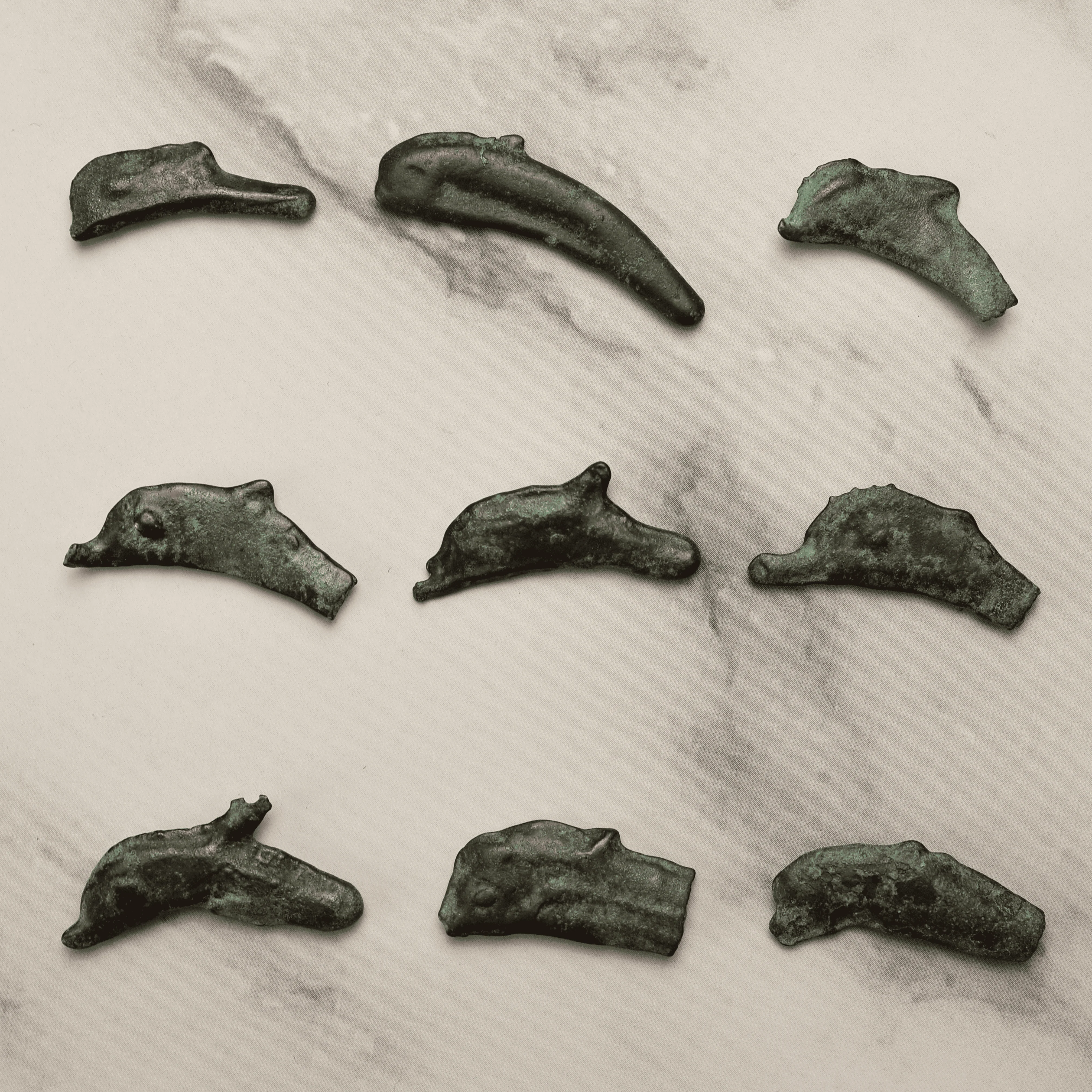
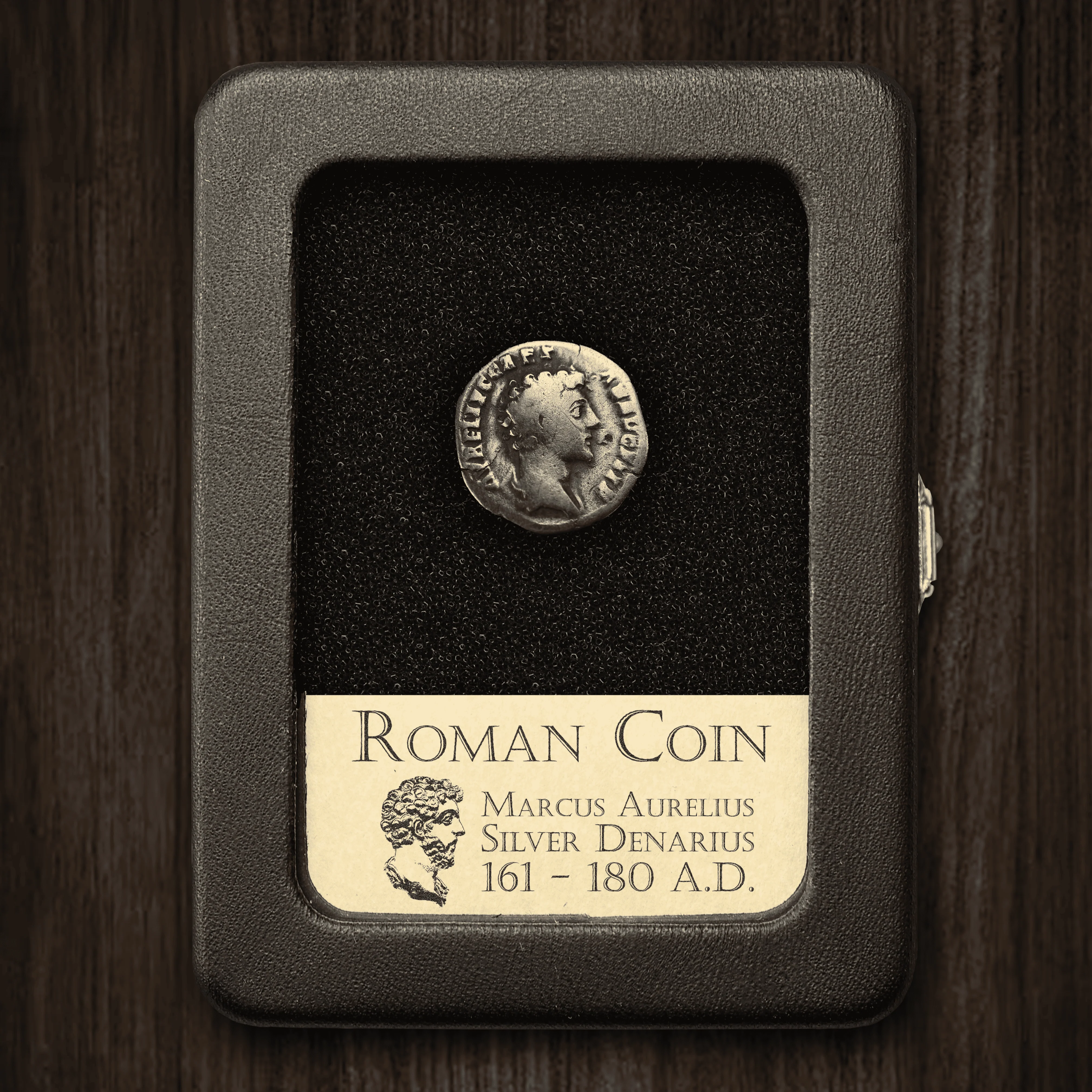
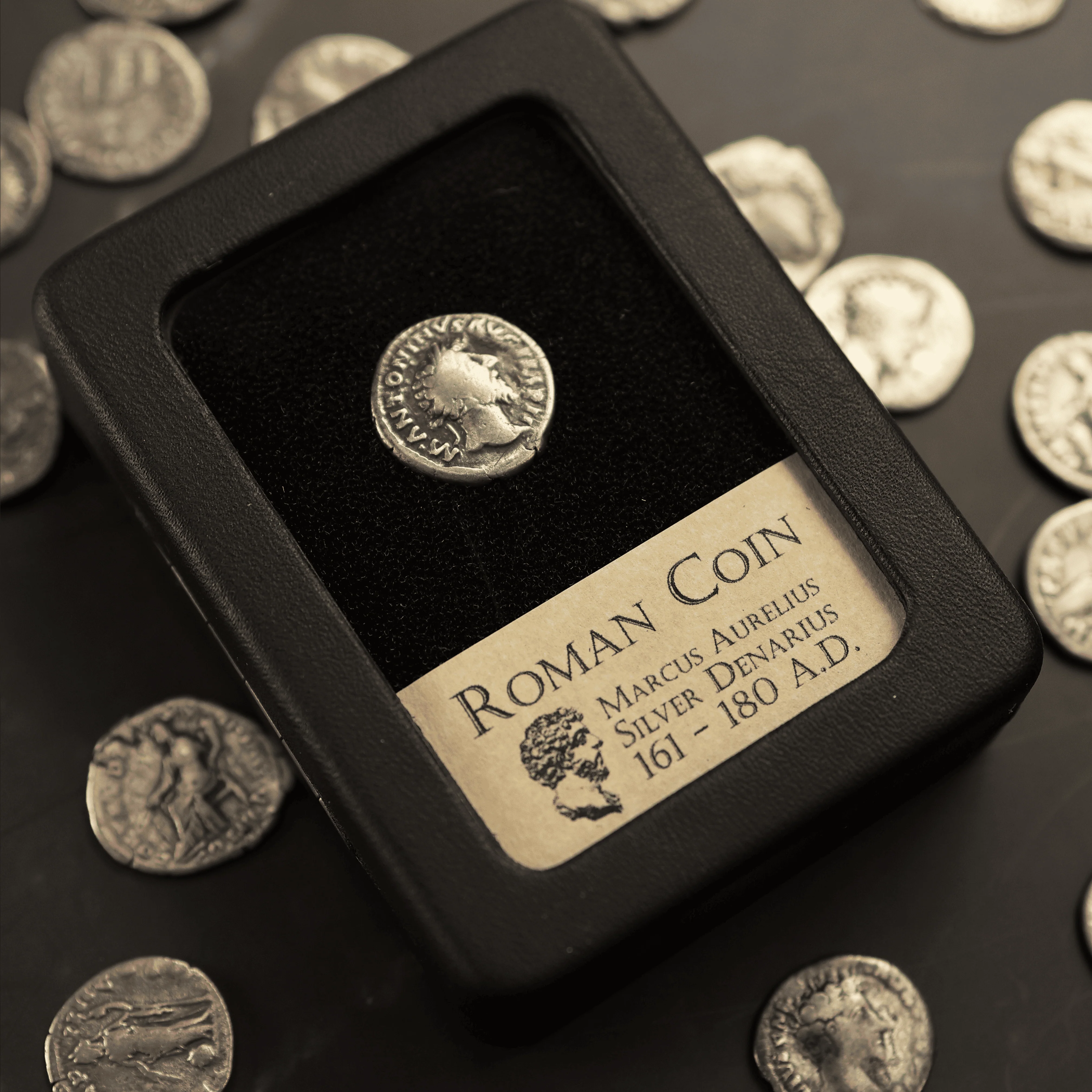
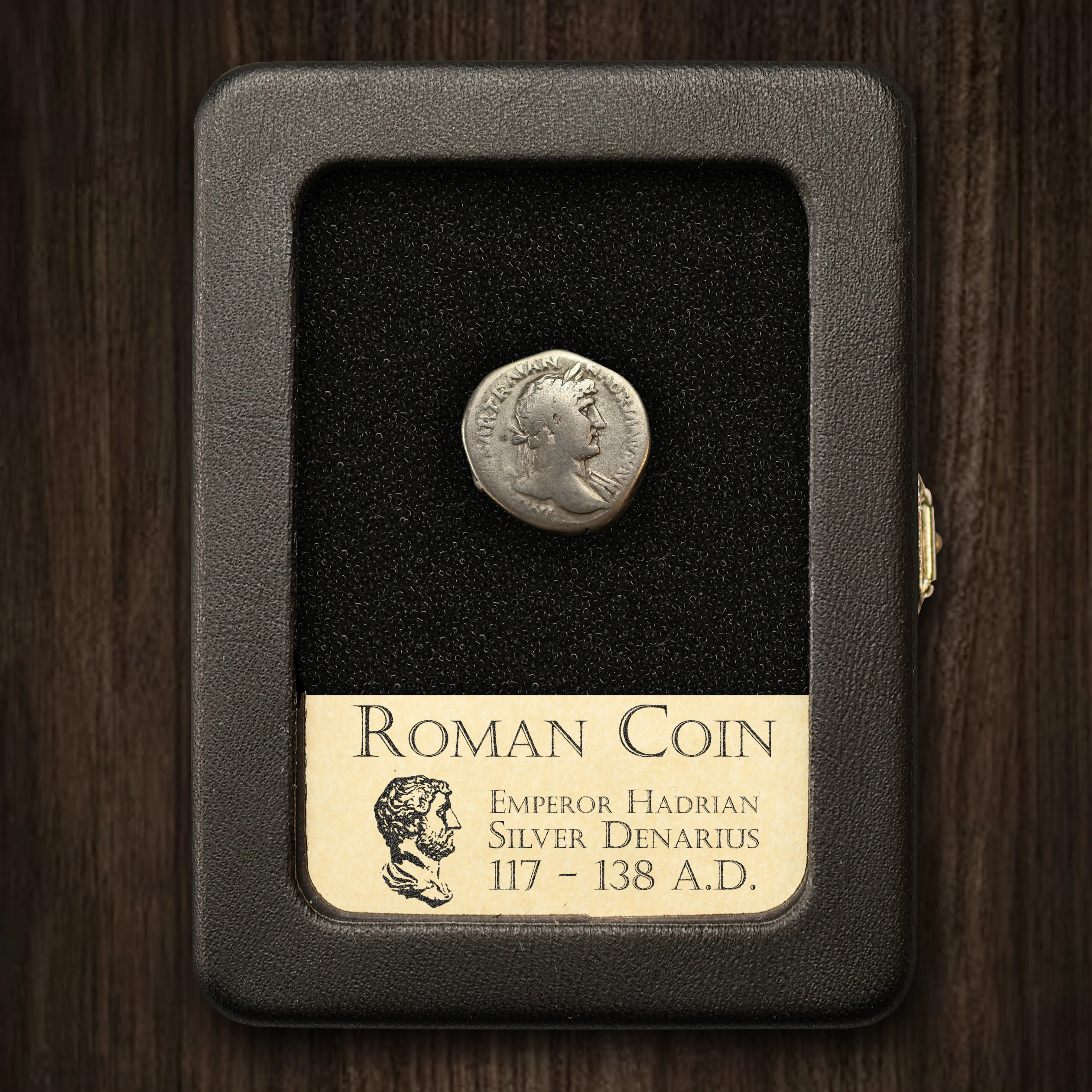
Your Roman Coin will look very similar to the one shown in the photos. There will always be some variety, given our items are unique historical pieces. The display case included is openable so that you may easily handle and closely observe the artifact. If for whatever reason you get anything that does not fit this description you are entitled to your money back!
Your order will include:
-
One authentic Roman Bronze Nummus
-
Elegant protective case for preservation and display of your artifact
-
Certificate of Authenticity
Ancient Artifacts relics are guaranteed authentic and have a 100% money back policy. Read more about our Mission and Promise for authenticity.
Original: $48.89
-70%$48.89
$14.67More Images

Christian Roman Coin | Bronze Nummis
History of the Artifact
Bronze nummi bearing a cross on the reverse are emblematic of the increasing integration of Christianity into the fabric of the late Roman state, especially under the reigns of emperors like Theodosius II and his successors. By the fifth century, Christian symbols were becoming more prevalent on coinage, reflecting the empire's official embrace of Christianity following Constantine’s earlier reforms and Theodosius II's issuing of the Edict of Thessalonica, which declared Nicene Christianity as the state religion, effectively making it the official religion of the empire. The cross, a potent symbol of the Christian faith, began to appear regularly on small bronze denominations, including these nummi, which were the lowest-value coins in circulation at the time.
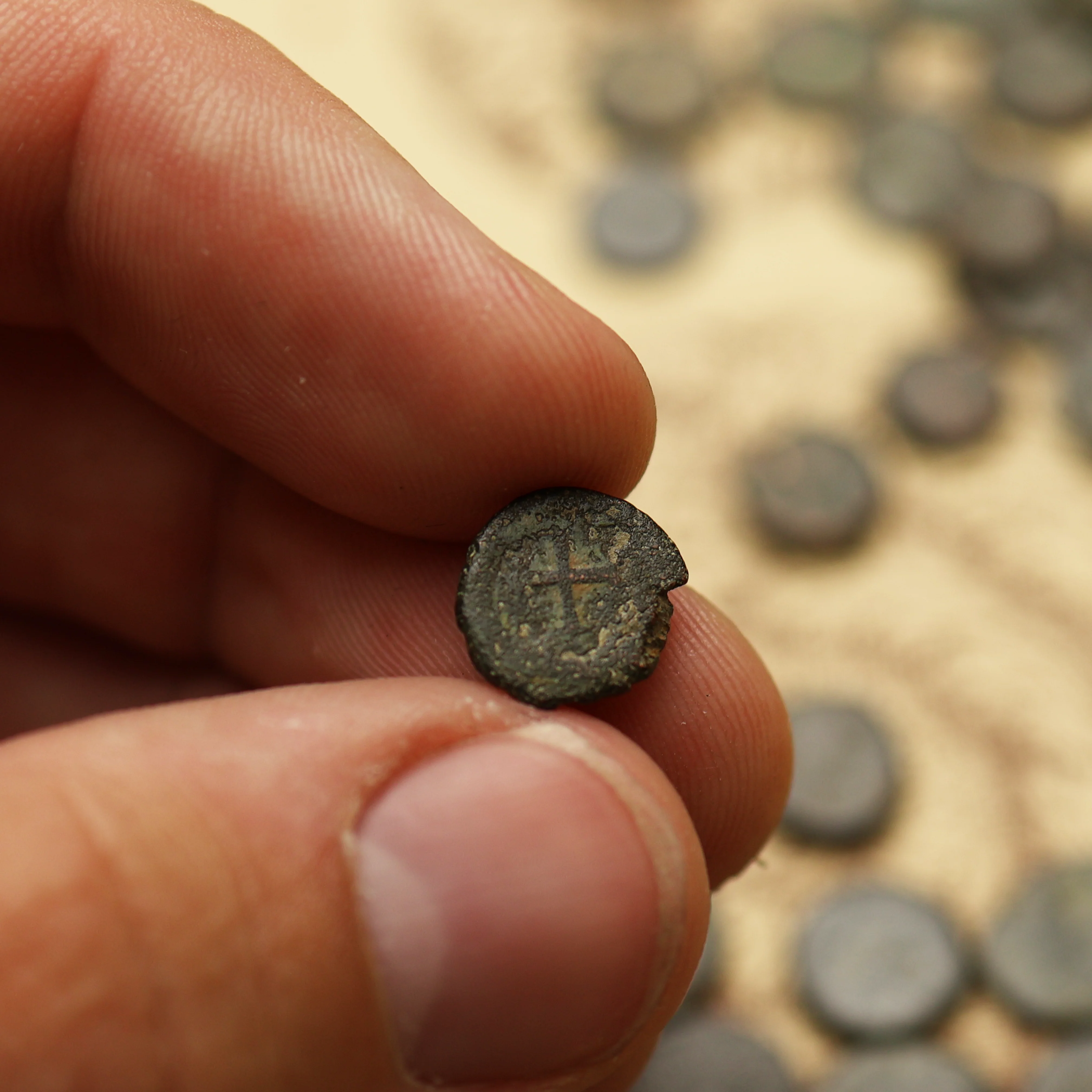
These coins feature a simplified imperial bust on the obverse—sometimes barely more than an abstract outline of the emperor’s profile—and on the reverse, a plain cross, either standing alone or sometimes set on a stepped base or globe. The most basic version is a simple Greek cross, often unadorned and centrally placed, meant to convey the dominance of the Christian faith within the empire. Inscriptions might be minimal or absent altogether, especially on the smallest pieces, though some issues bear legends such as "GLORIA ROMANORVM" or "SALVS REIPVBLICAE" alongside the cross.
Coins with crosses on the reverse became especially common in the Eastern Roman Empire and can often be traced to mints in Constantinople, Antioch, or Alexandria. Their widespread production and circulation suggest they were meant for the general populace and were part of the imperial effort to associate the emperor's authority with divine sanction. These cross types marked a distinct shift from the pagan iconography of earlier centuries, visually reinforcing the unity of church and state. Today, they are commonly found in late Roman coin lots and archaeological excavations and serve as clear, tangible artifacts of the Christianized Roman world.
How do I know these are original Roman Coins?
Ancient Artifacts guarantees the Authenticity of items sold through a three layer system of protection:
- Ancient Artifacts exclusively sources artifacts from trusted and reputable antique distributors, many of whom have been selling Artifacts for decades.
- Next, the Artifact is inspected by an expert team member, who is professionally trained in counterfeit detection After the artifact passes inspection, the Certificate of Authenticity is signed and the Artifact is packaged.
- Finally, Ancient Artifacts gives an additional layer of protection by promising a full refund with no questions asked, in the extremely unlikely event that a counterfeit slips through our vetting process.
What will my artifact look like?
Your Roman Coin will look very similar to the one shown in the photos. There will always be some variety, given our items are unique historical pieces. The display case included is openable so that you may easily handle and closely observe the artifact. If for whatever reason you get anything that does not fit this description you are entitled to your money back!
Your order will include:
-
One authentic Roman Bronze Nummus
-
Elegant protective case for preservation and display of your artifact
-
Certificate of Authenticity
Ancient Artifacts relics are guaranteed authentic and have a 100% money back policy. Read more about our Mission and Promise for authenticity.
Product Information
Product Information
Shipping & Returns
Shipping & Returns
Description
History of the Artifact
Bronze nummi bearing a cross on the reverse are emblematic of the increasing integration of Christianity into the fabric of the late Roman state, especially under the reigns of emperors like Theodosius II and his successors. By the fifth century, Christian symbols were becoming more prevalent on coinage, reflecting the empire's official embrace of Christianity following Constantine’s earlier reforms and Theodosius II's issuing of the Edict of Thessalonica, which declared Nicene Christianity as the state religion, effectively making it the official religion of the empire. The cross, a potent symbol of the Christian faith, began to appear regularly on small bronze denominations, including these nummi, which were the lowest-value coins in circulation at the time.
These coins feature a simplified imperial bust on the obverse—sometimes barely more than an abstract outline of the emperor’s profile—and on the reverse, a plain cross, either standing alone or sometimes set on a stepped base or globe. The most basic version is a simple Greek cross, often unadorned and centrally placed, meant to convey the dominance of the Christian faith within the empire. Inscriptions might be minimal or absent altogether, especially on the smallest pieces, though some issues bear legends such as "GLORIA ROMANORVM" or "SALVS REIPVBLICAE" alongside the cross.
Coins with crosses on the reverse became especially common in the Eastern Roman Empire and can often be traced to mints in Constantinople, Antioch, or Alexandria. Their widespread production and circulation suggest they were meant for the general populace and were part of the imperial effort to associate the emperor's authority with divine sanction. These cross types marked a distinct shift from the pagan iconography of earlier centuries, visually reinforcing the unity of church and state. Today, they are commonly found in late Roman coin lots and archaeological excavations and serve as clear, tangible artifacts of the Christianized Roman world.
How do I know these are original Roman Coins?
Ancient Artifacts guarantees the Authenticity of items sold through a three layer system of protection:
- Ancient Artifacts exclusively sources artifacts from trusted and reputable antique distributors, many of whom have been selling Artifacts for decades.
- Next, the Artifact is inspected by an expert team member, who is professionally trained in counterfeit detection After the artifact passes inspection, the Certificate of Authenticity is signed and the Artifact is packaged.
- Finally, Ancient Artifacts gives an additional layer of protection by promising a full refund with no questions asked, in the extremely unlikely event that a counterfeit slips through our vetting process.
What will my artifact look like?
Your Roman Coin will look very similar to the one shown in the photos. There will always be some variety, given our items are unique historical pieces. The display case included is openable so that you may easily handle and closely observe the artifact. If for whatever reason you get anything that does not fit this description you are entitled to your money back!
Your order will include:
-
One authentic Roman Bronze Nummus
-
Elegant protective case for preservation and display of your artifact
-
Certificate of Authenticity
Ancient Artifacts relics are guaranteed authentic and have a 100% money back policy. Read more about our Mission and Promise for authenticity.