Persian Empire | Silver Drachm
History of the Artifact
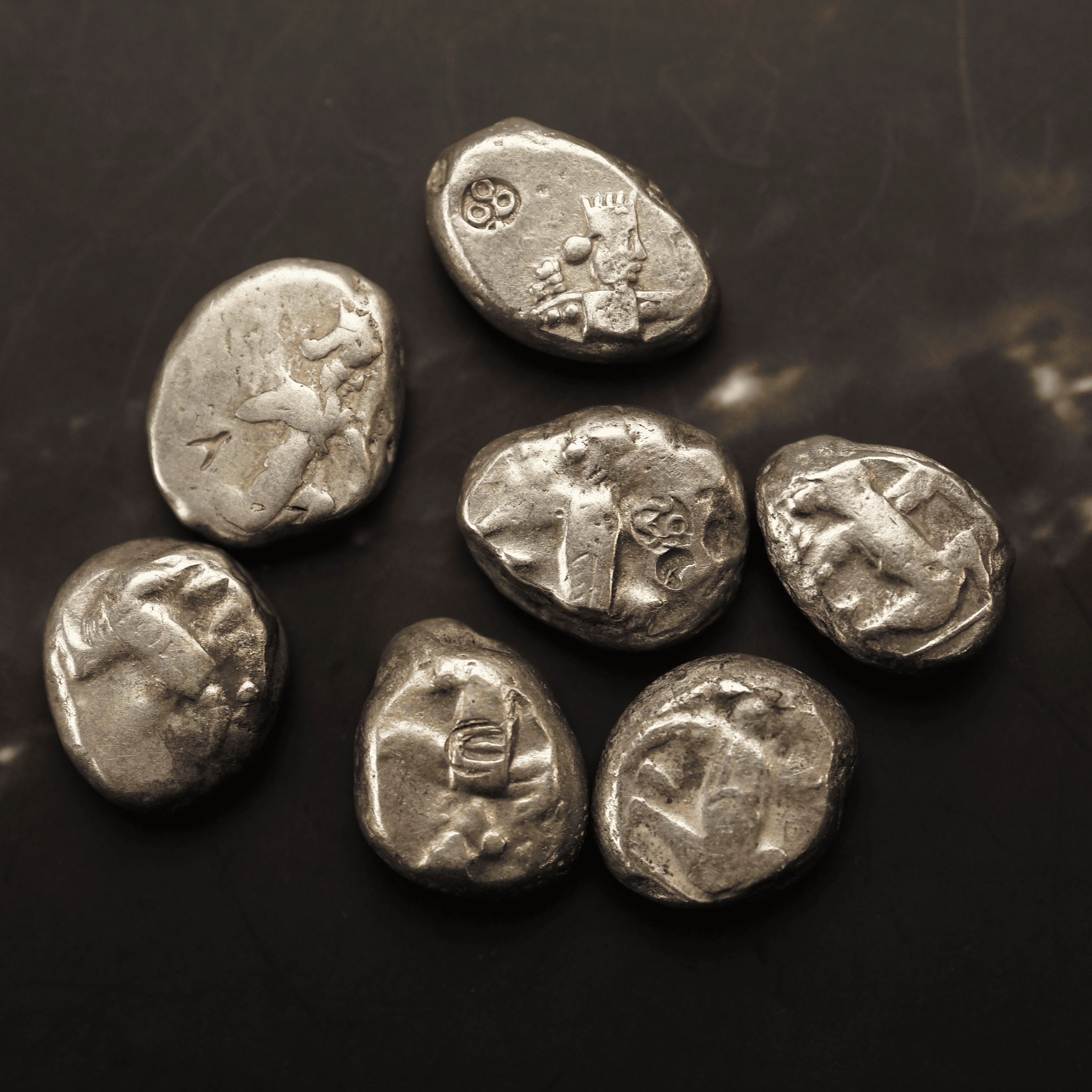
The Parthian silver drachma was the principal coin of the Parthian Empire, which dominated much of Persia and surrounding regions from roughly 247 BC to 224 AD. These coins reflect both the unique culture of the Parthians and their political aspirations as heirs to earlier empires, like the Achaemenids, while also adapting Hellenistic influences inherited from Alexander the Great's conquests. Struck in silver, the drachma became the standard denomination for trade and official payments across the Parthian realm. They were relatively lightweight compared to some Greek issues, but they maintained a high silver purity for much of the empire’s history.
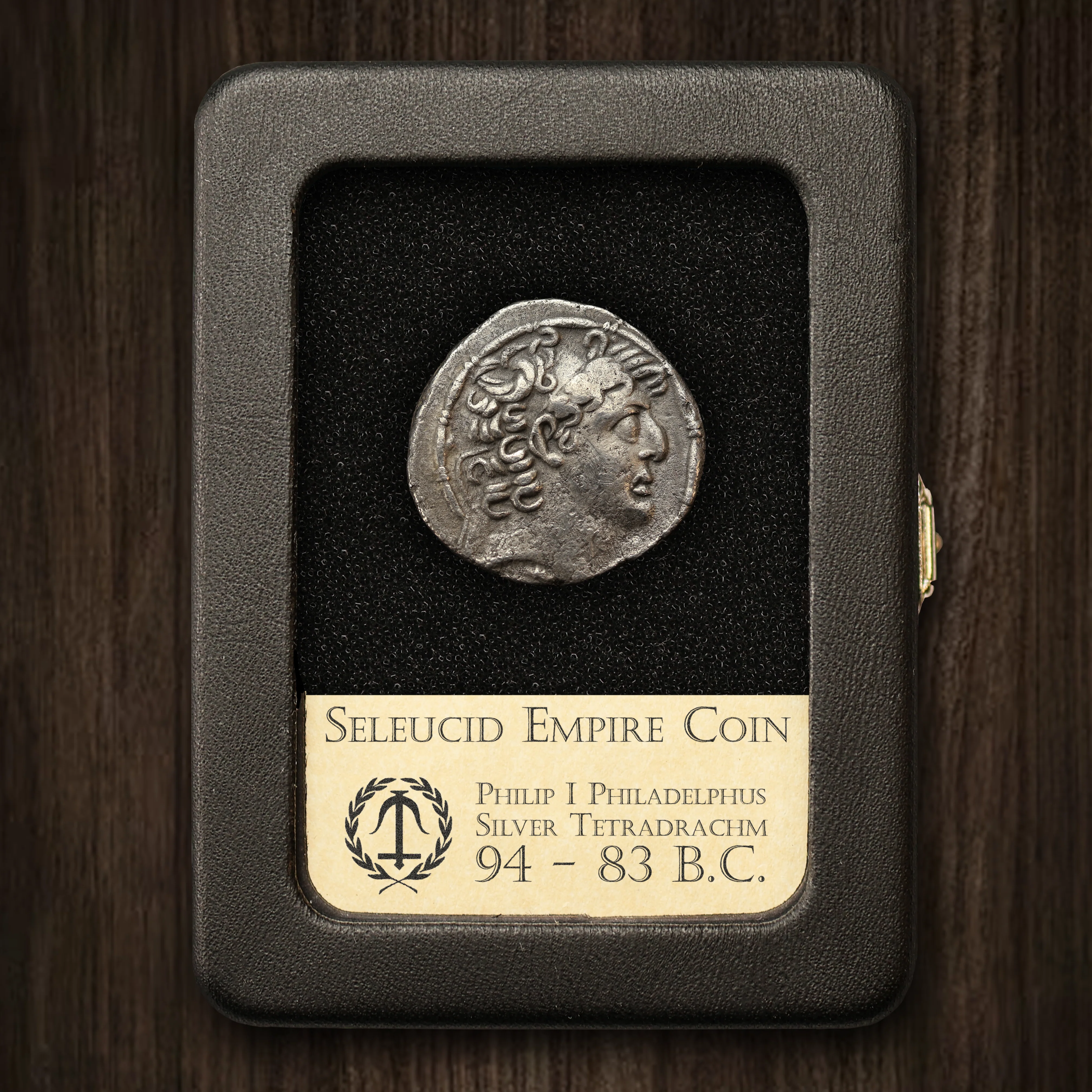
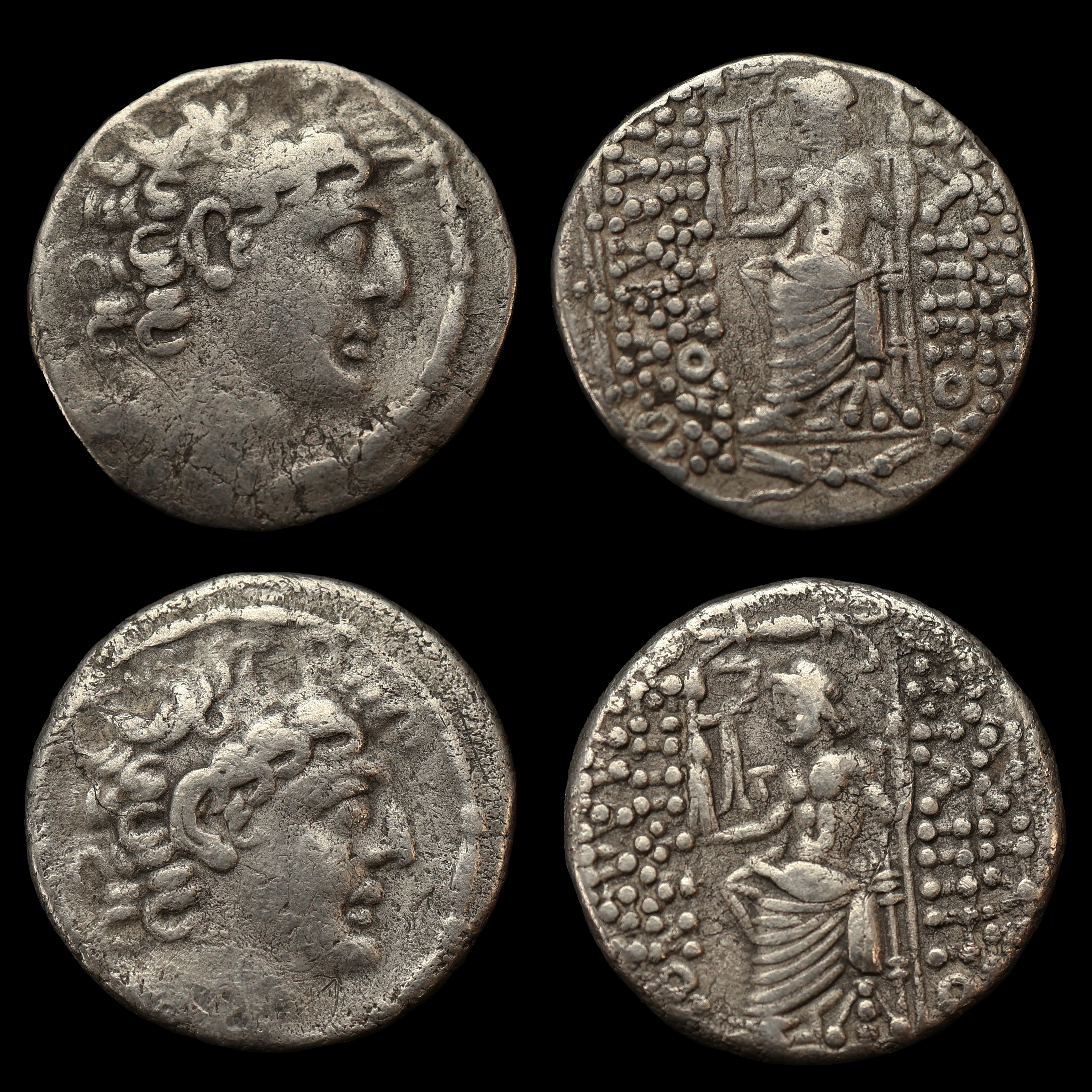
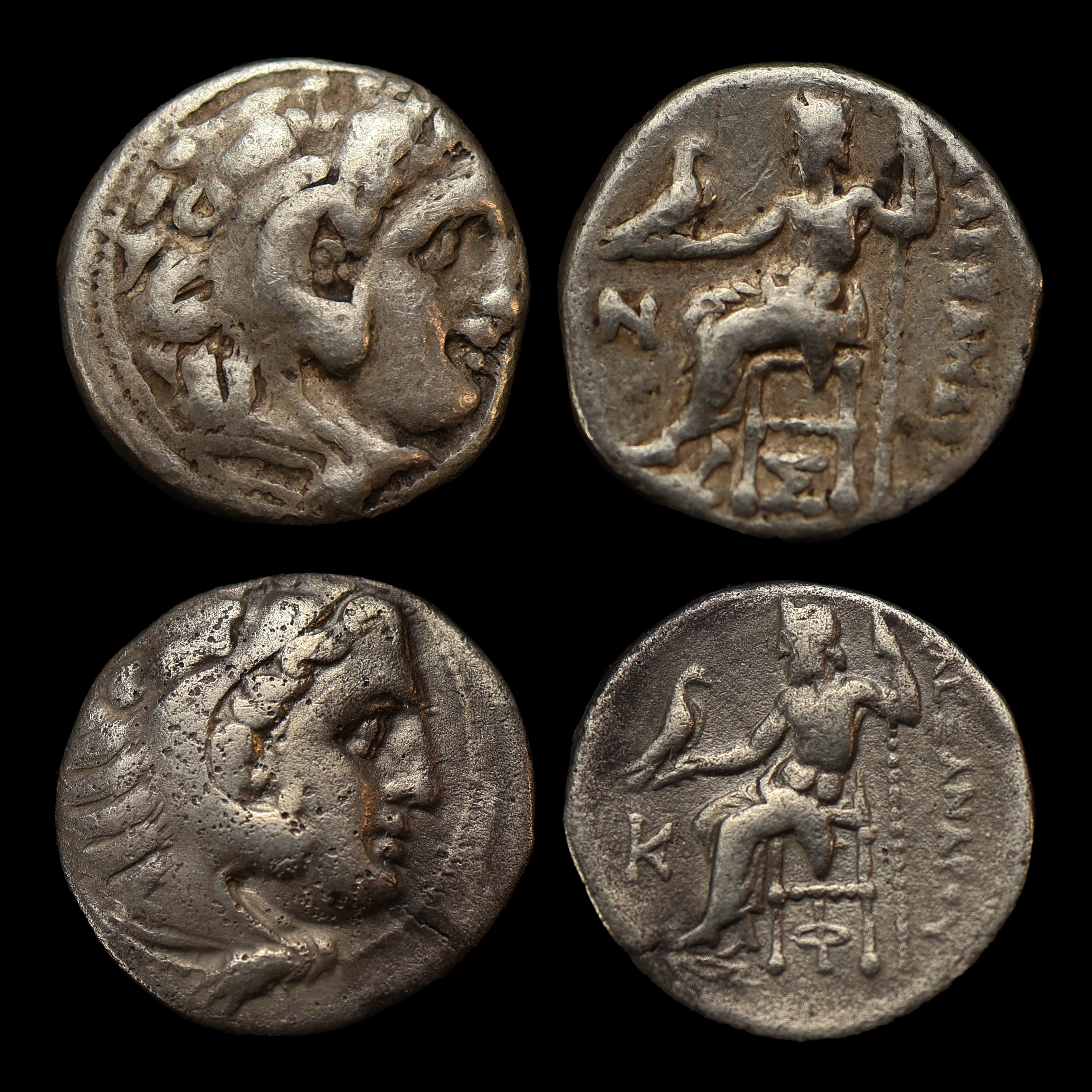
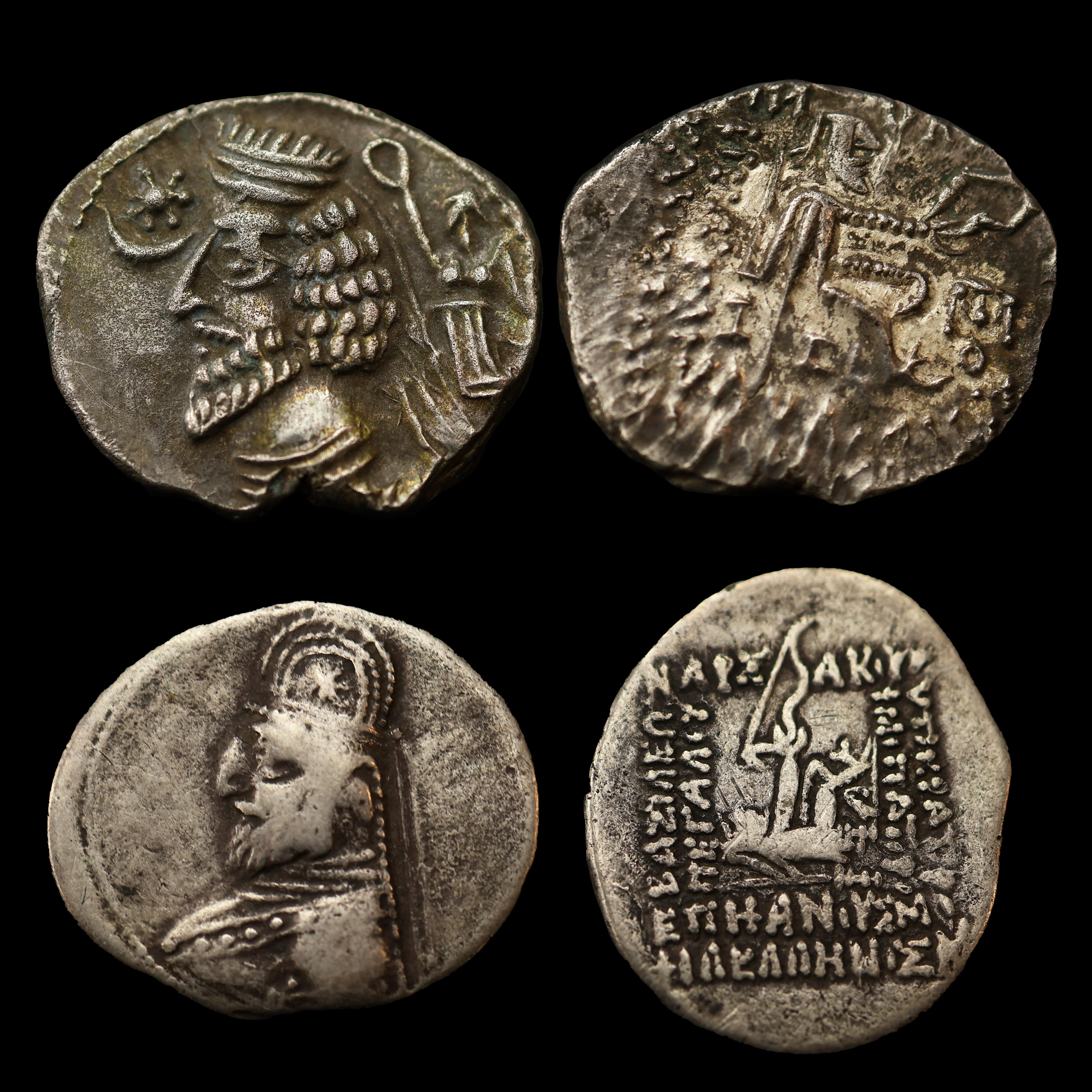
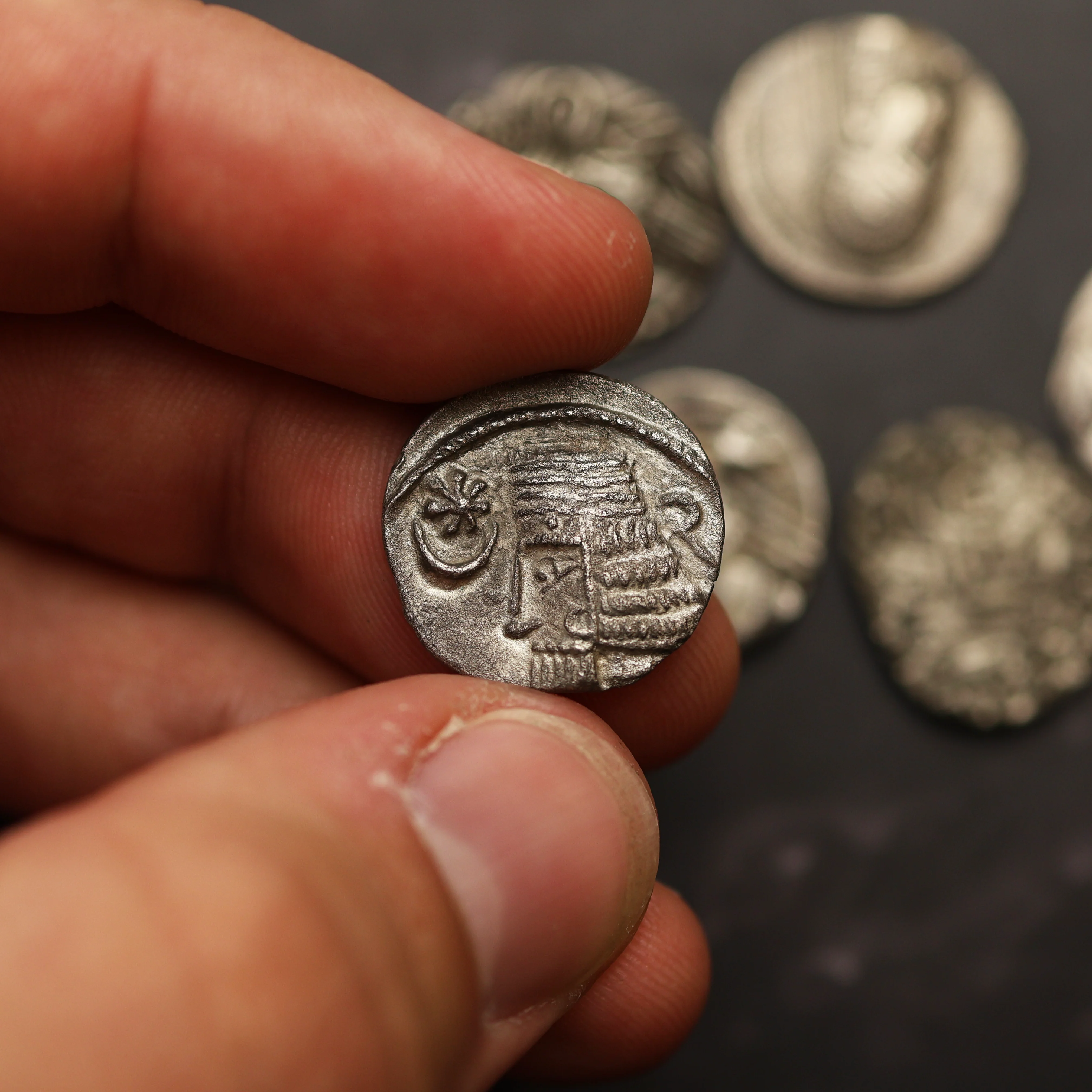
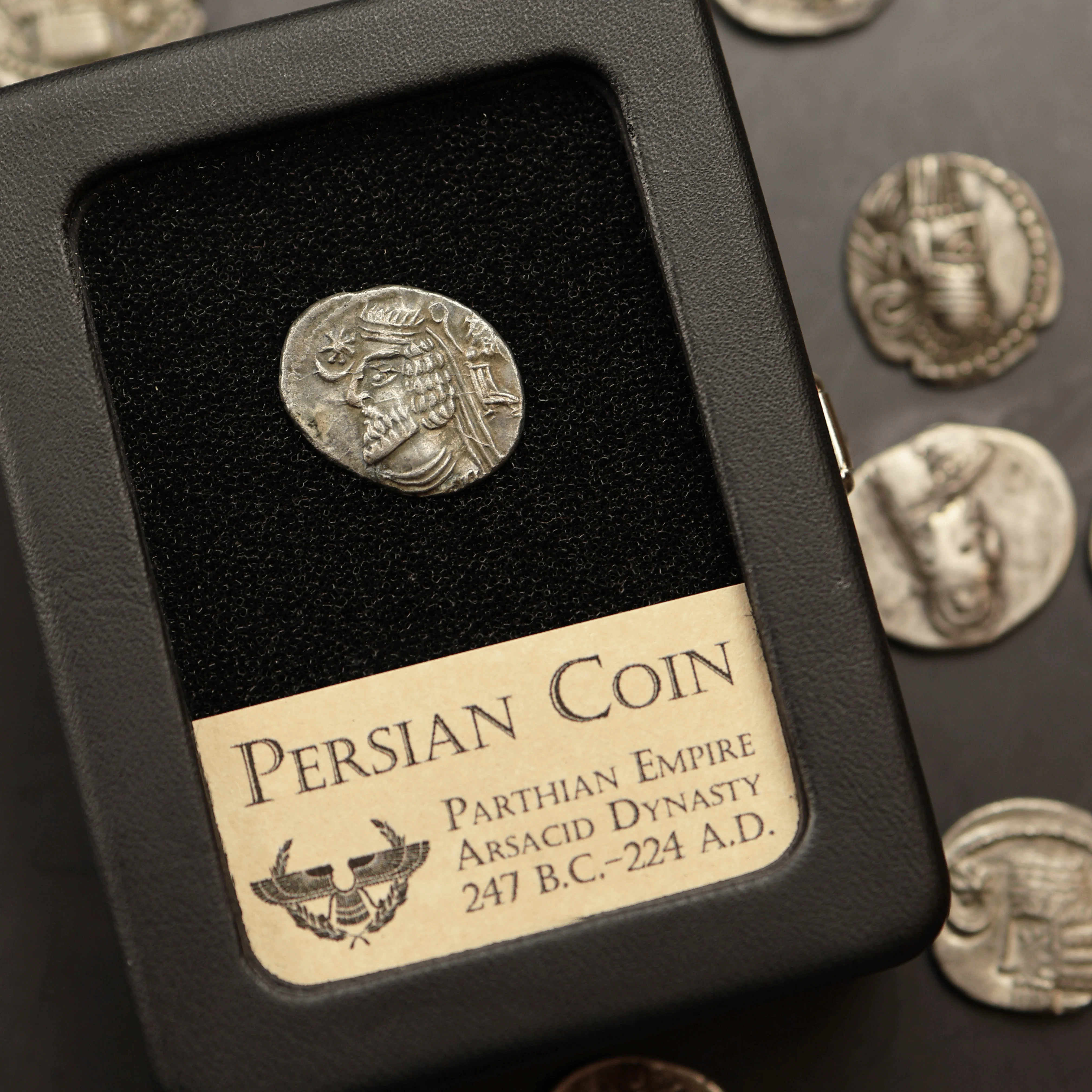
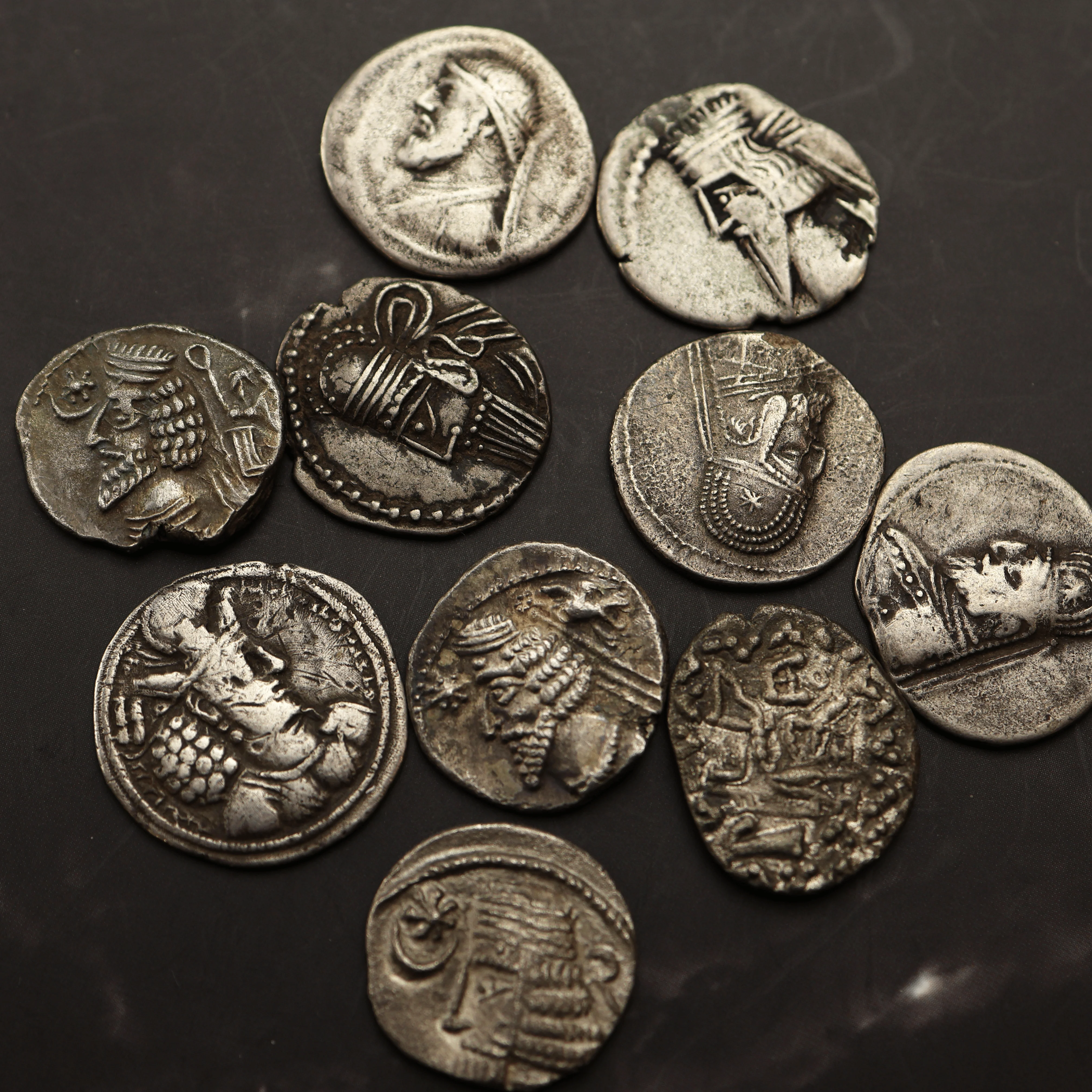
The design of the Parthian drachmas is particularly distinctive. On the obverse, they depict the bust of the ruling king, shown in profile, often adorned with a soft cap known as a "bashlyk" or later a more elaborate diadem or tiara. The style of portraiture can vary considerably, ranging from relatively naturalistic in the early period to more stylized and symbolic in the later centuries. These portraits were not just a way of honoring the ruler but served as an assertion of legitimacy and power in a realm that prized dynastic continuity. The reverse shows a seated figure, usually the Greek goddess Tyche or a representation of Arsaces I, the founder of the dynasty, holding a bow – a deliberate nod to both Greek and Iranian traditions of divine kingship. Around the seated figure, Greek inscriptions record the king’s titles, reinforcing the Parthians' use of Hellenistic cultural elements to enhance their prestige, even as they fiercely resisted Roman domination.
How do I know these are original Persian Coins?
Ancient Artifacts guarantees the Authenticity of items sold through a three layer system of protection:
- Ancient Artifacts exclusively sources artifacts from trusted and reputable antique distributors, many of whom have been selling Artifacts for decades.
- Next, the Artifact is inspected by an expert team member, who is professionally trained in counterfeit detection After the artifact passes inspection, the Certificate of Authenticity is signed and the Artifact is packaged.
- Finally, Ancient Artifacts gives an additional layer of protection by promising a full refund with no questions asked, in the extremely unlikely event that a counterfeit slips through our vetting process.
What will my artifact look like?
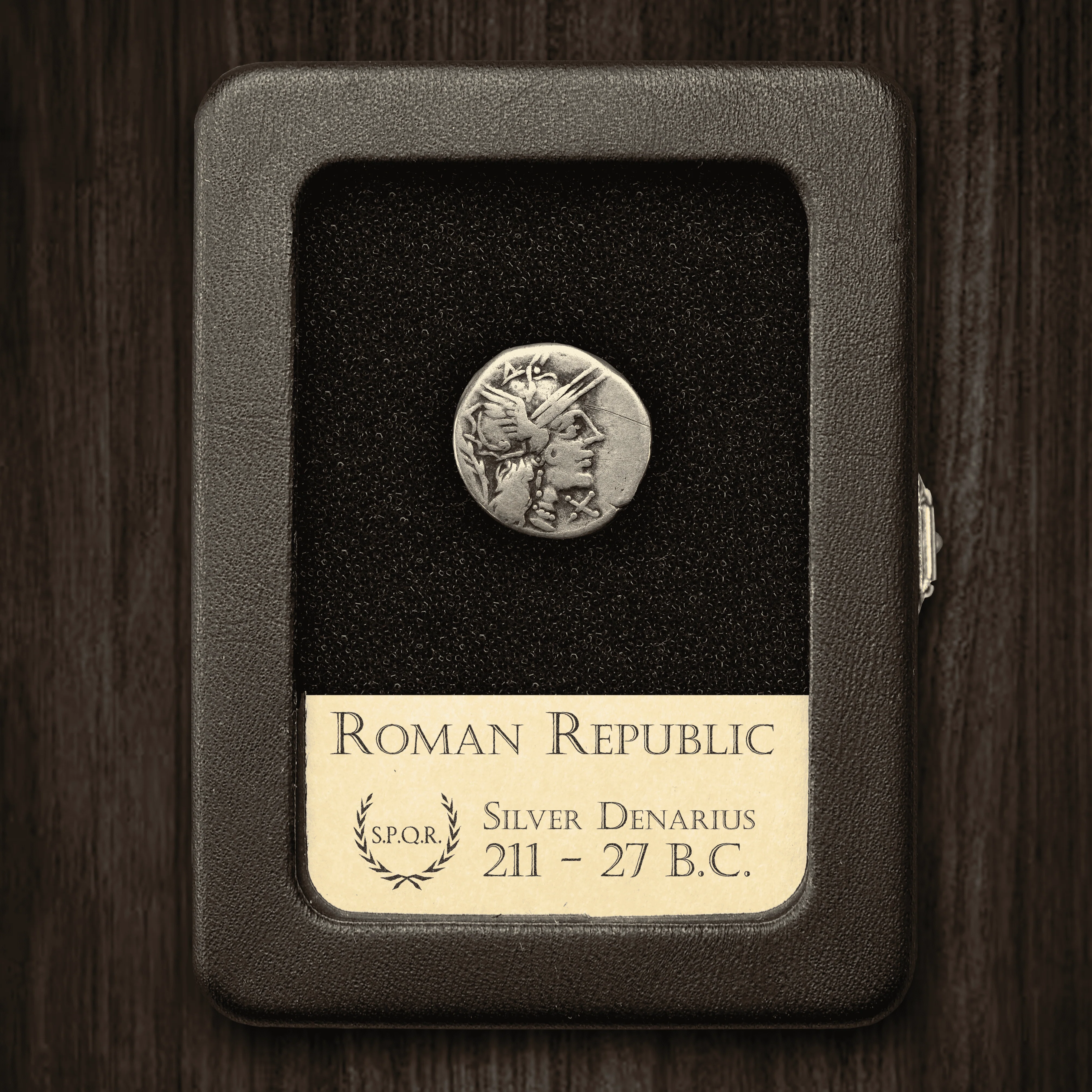
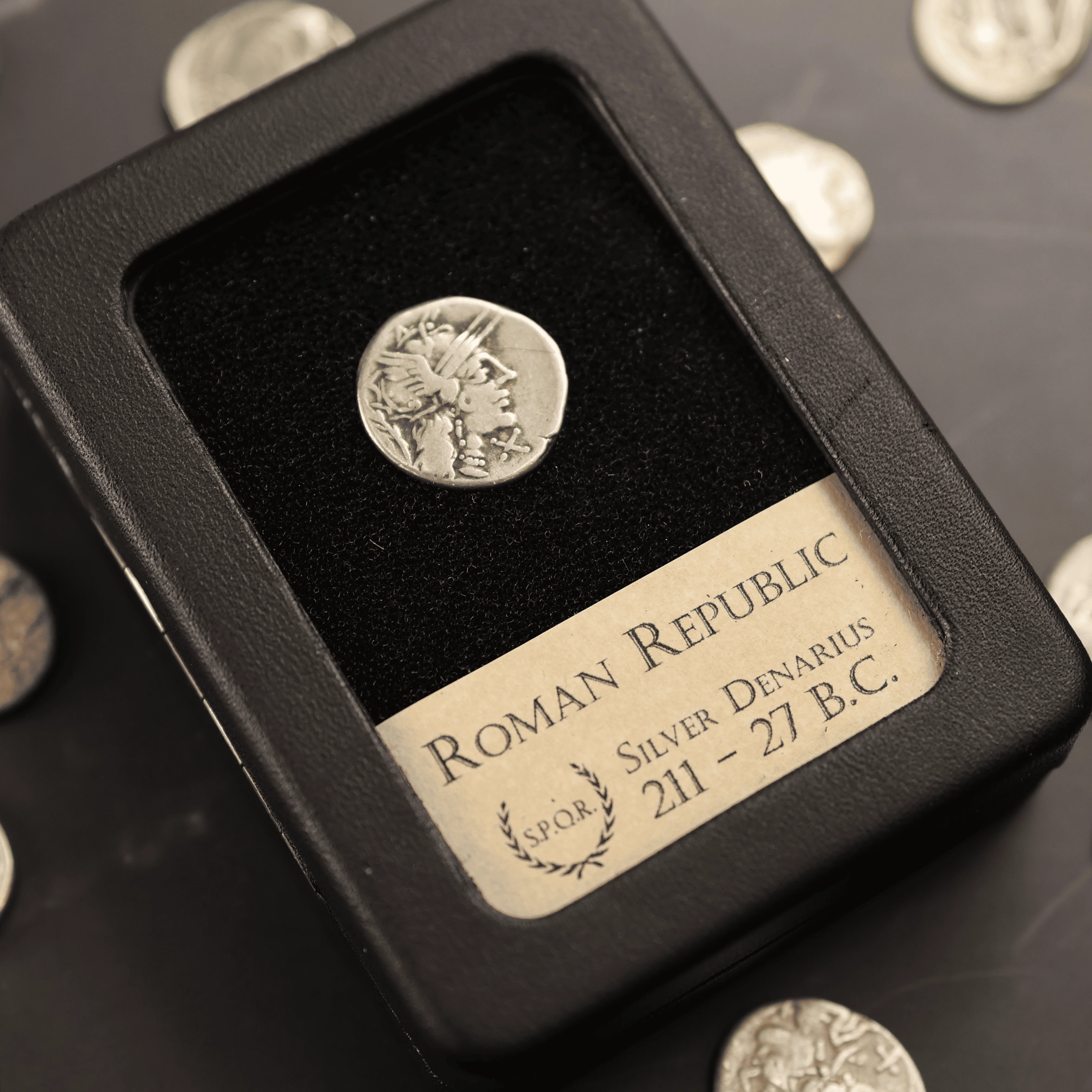
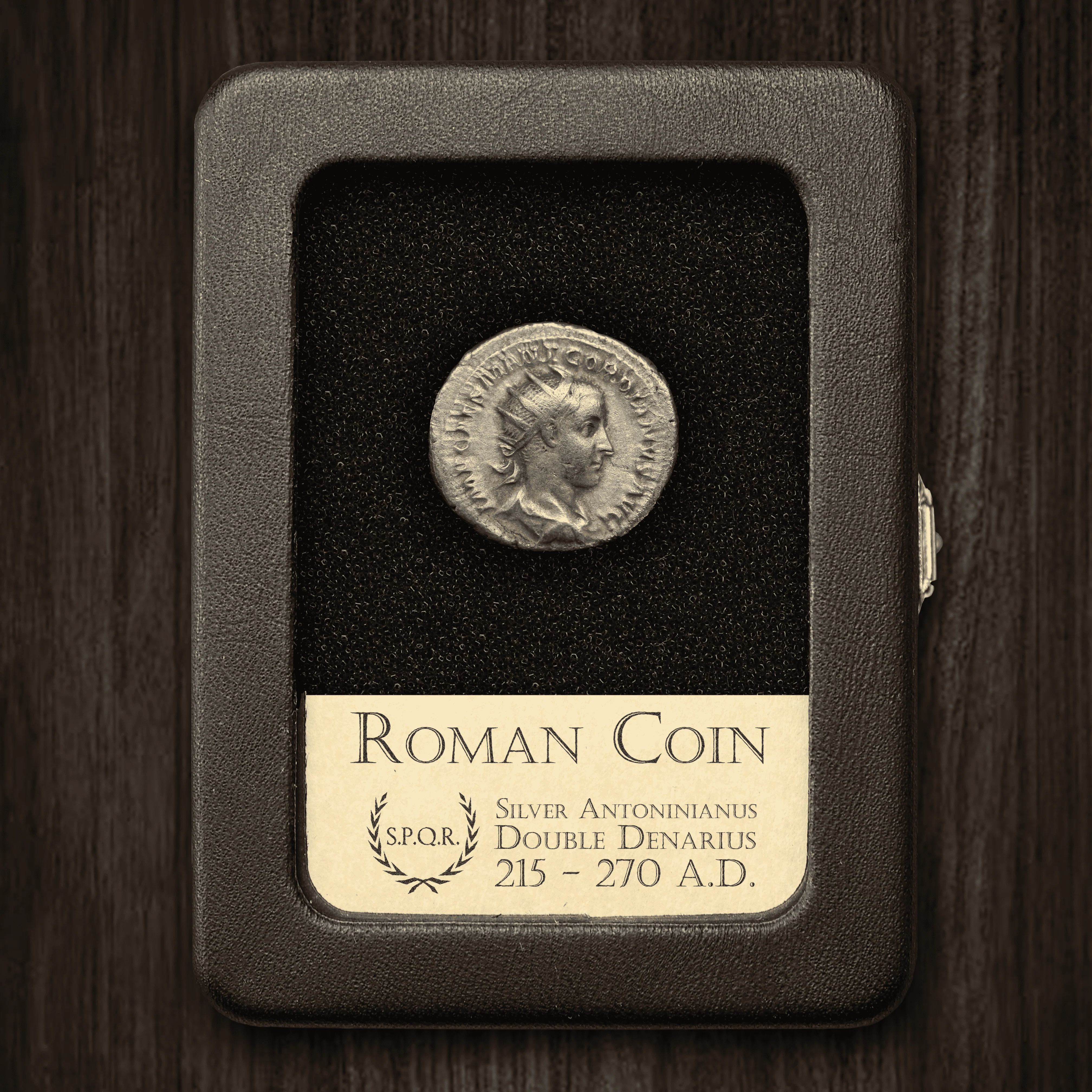
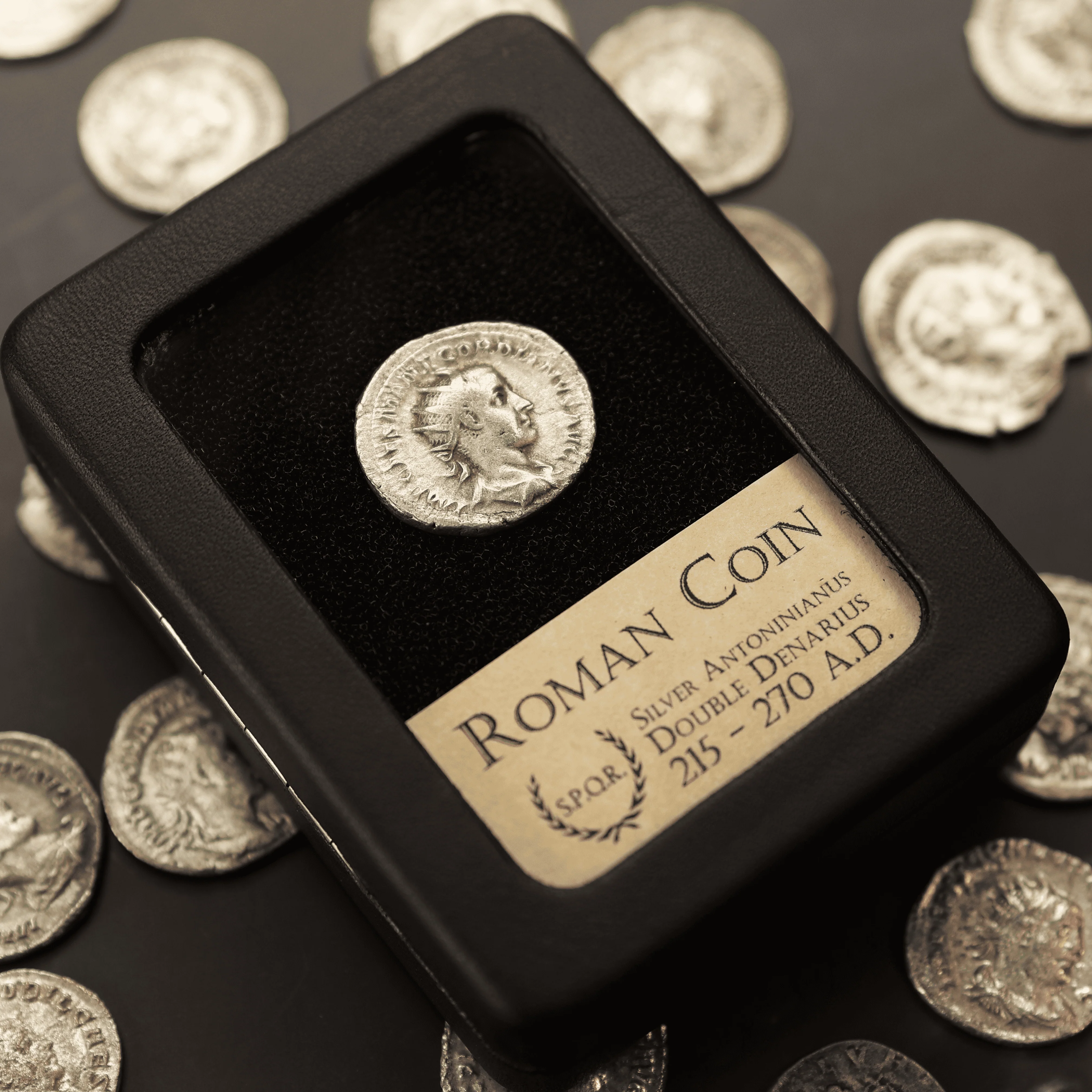
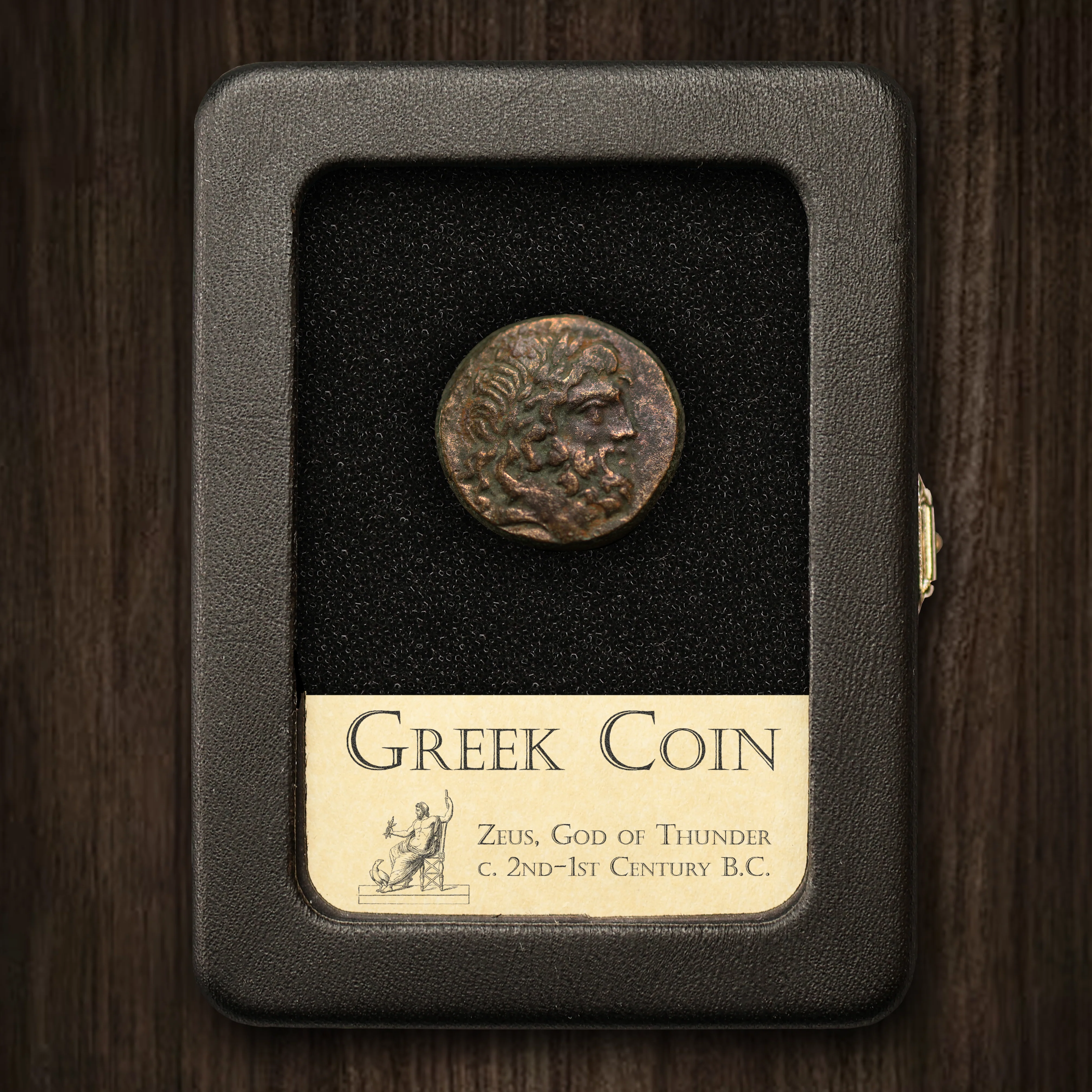
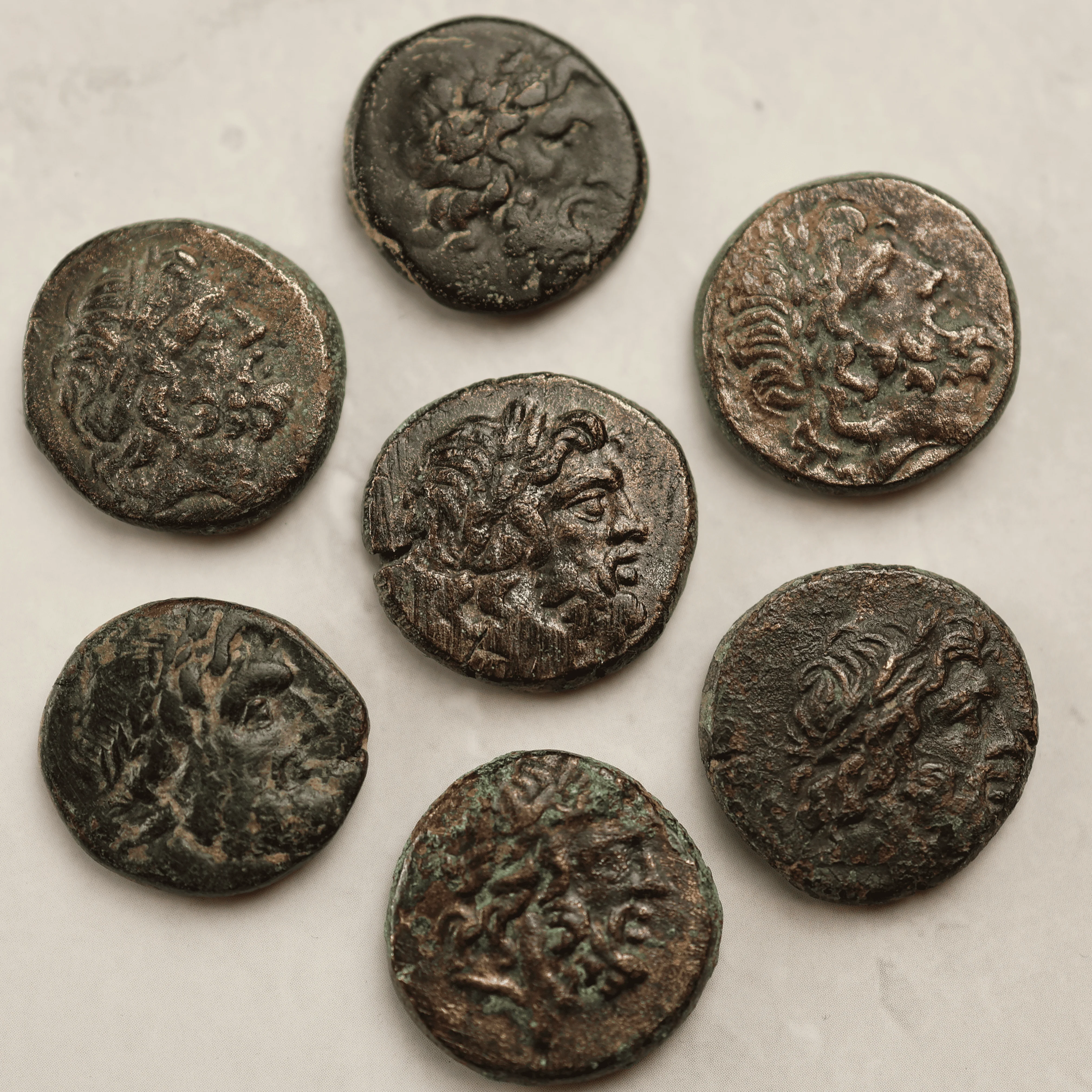
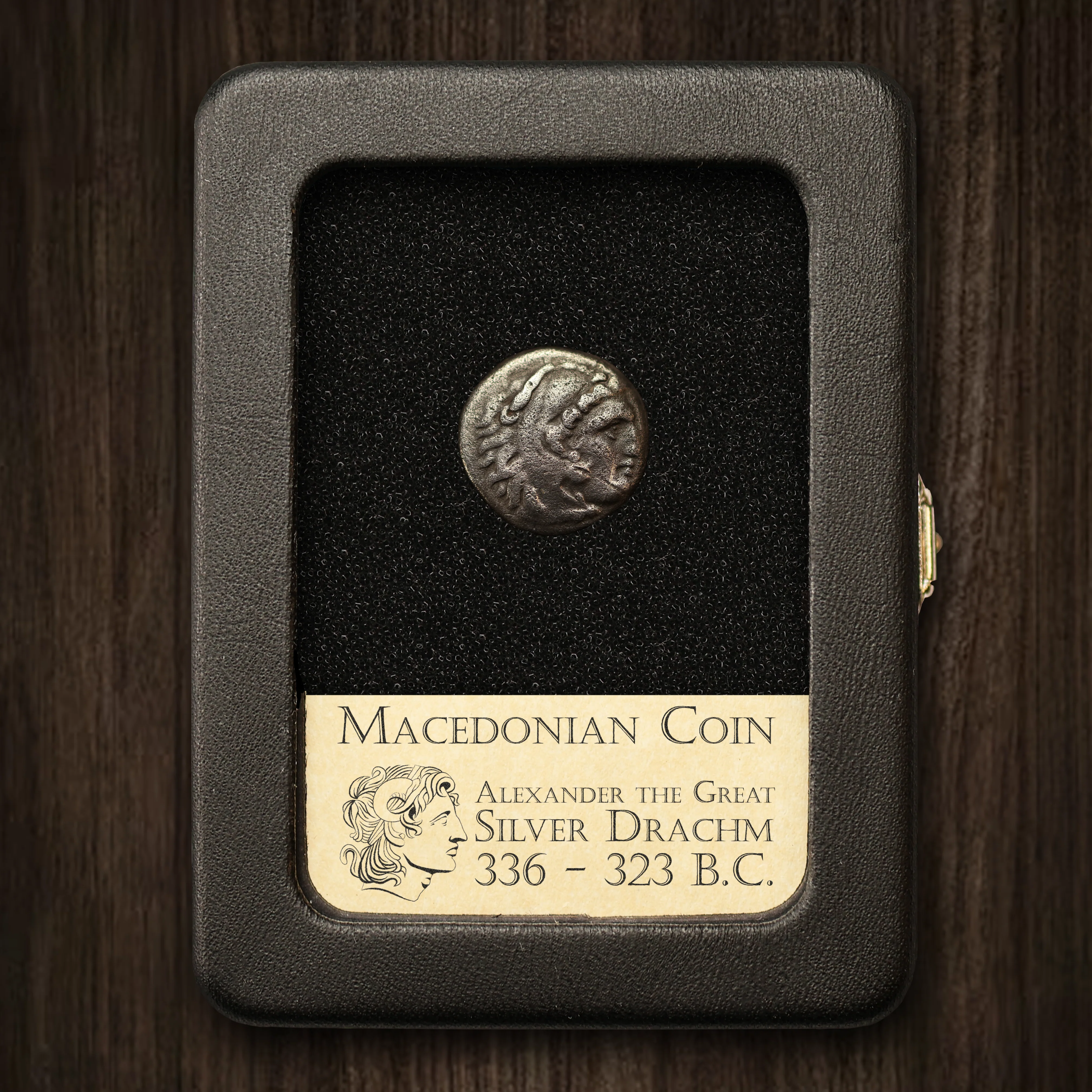
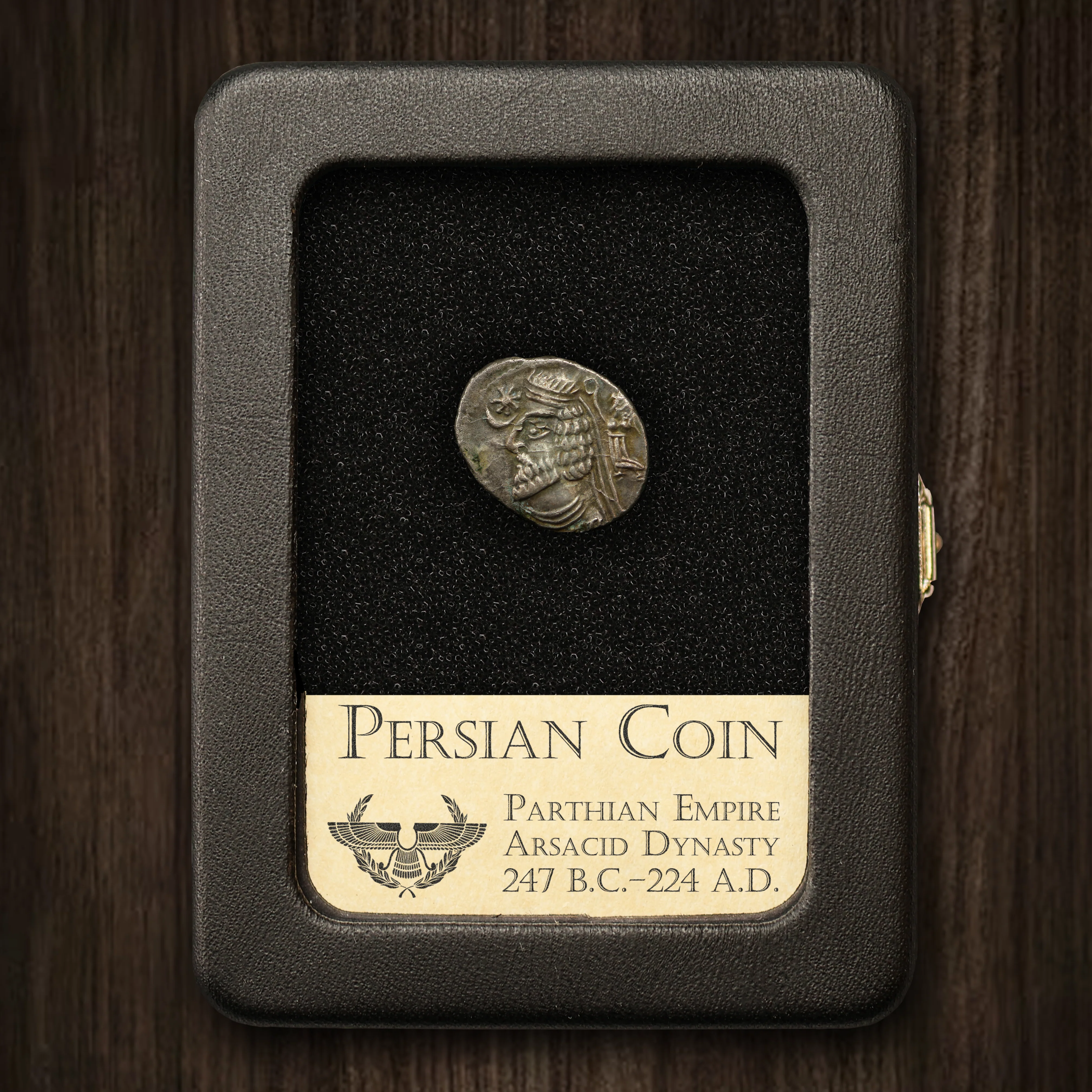
Your coin will look very similar to the one shown in the photos. There will always be some variety, given our items are unique historical pieces. The display case included is openable so that you may easily handle and closely observe the artifact. If for whatever reason you get anything that does not fit this description you are entitled to your money back!
Your order will include:
- One authentic Ancient Persian Silver Coin
- Elegant protective case for preservation and display of your artifact
- Certificate of Authenticity
Ancient Artifacts relics are guaranteed authentic and have a 100% money back policy. Read more about our Mission and Promise for authenticity.
Original: $109.98
-70%$109.98
$32.99More Images
Persian Empire | Silver Drachm
History of the Artifact
The Parthian silver drachma was the principal coin of the Parthian Empire, which dominated much of Persia and surrounding regions from roughly 247 BC to 224 AD. These coins reflect both the unique culture of the Parthians and their political aspirations as heirs to earlier empires, like the Achaemenids, while also adapting Hellenistic influences inherited from Alexander the Great's conquests. Struck in silver, the drachma became the standard denomination for trade and official payments across the Parthian realm. They were relatively lightweight compared to some Greek issues, but they maintained a high silver purity for much of the empire’s history.
The design of the Parthian drachmas is particularly distinctive. On the obverse, they depict the bust of the ruling king, shown in profile, often adorned with a soft cap known as a "bashlyk" or later a more elaborate diadem or tiara. The style of portraiture can vary considerably, ranging from relatively naturalistic in the early period to more stylized and symbolic in the later centuries. These portraits were not just a way of honoring the ruler but served as an assertion of legitimacy and power in a realm that prized dynastic continuity. The reverse shows a seated figure, usually the Greek goddess Tyche or a representation of Arsaces I, the founder of the dynasty, holding a bow – a deliberate nod to both Greek and Iranian traditions of divine kingship. Around the seated figure, Greek inscriptions record the king’s titles, reinforcing the Parthians' use of Hellenistic cultural elements to enhance their prestige, even as they fiercely resisted Roman domination.
How do I know these are original Persian Coins?
Ancient Artifacts guarantees the Authenticity of items sold through a three layer system of protection:
- Ancient Artifacts exclusively sources artifacts from trusted and reputable antique distributors, many of whom have been selling Artifacts for decades.
- Next, the Artifact is inspected by an expert team member, who is professionally trained in counterfeit detection After the artifact passes inspection, the Certificate of Authenticity is signed and the Artifact is packaged.
- Finally, Ancient Artifacts gives an additional layer of protection by promising a full refund with no questions asked, in the extremely unlikely event that a counterfeit slips through our vetting process.
What will my artifact look like?
Your coin will look very similar to the one shown in the photos. There will always be some variety, given our items are unique historical pieces. The display case included is openable so that you may easily handle and closely observe the artifact. If for whatever reason you get anything that does not fit this description you are entitled to your money back!
Your order will include:
- One authentic Ancient Persian Silver Coin
- Elegant protective case for preservation and display of your artifact
- Certificate of Authenticity
Ancient Artifacts relics are guaranteed authentic and have a 100% money back policy. Read more about our Mission and Promise for authenticity.
Product Information
Product Information
Shipping & Returns
Shipping & Returns
Description
History of the Artifact
The Parthian silver drachma was the principal coin of the Parthian Empire, which dominated much of Persia and surrounding regions from roughly 247 BC to 224 AD. These coins reflect both the unique culture of the Parthians and their political aspirations as heirs to earlier empires, like the Achaemenids, while also adapting Hellenistic influences inherited from Alexander the Great's conquests. Struck in silver, the drachma became the standard denomination for trade and official payments across the Parthian realm. They were relatively lightweight compared to some Greek issues, but they maintained a high silver purity for much of the empire’s history.
The design of the Parthian drachmas is particularly distinctive. On the obverse, they depict the bust of the ruling king, shown in profile, often adorned with a soft cap known as a "bashlyk" or later a more elaborate diadem or tiara. The style of portraiture can vary considerably, ranging from relatively naturalistic in the early period to more stylized and symbolic in the later centuries. These portraits were not just a way of honoring the ruler but served as an assertion of legitimacy and power in a realm that prized dynastic continuity. The reverse shows a seated figure, usually the Greek goddess Tyche or a representation of Arsaces I, the founder of the dynasty, holding a bow – a deliberate nod to both Greek and Iranian traditions of divine kingship. Around the seated figure, Greek inscriptions record the king’s titles, reinforcing the Parthians' use of Hellenistic cultural elements to enhance their prestige, even as they fiercely resisted Roman domination.
How do I know these are original Persian Coins?
Ancient Artifacts guarantees the Authenticity of items sold through a three layer system of protection:
- Ancient Artifacts exclusively sources artifacts from trusted and reputable antique distributors, many of whom have been selling Artifacts for decades.
- Next, the Artifact is inspected by an expert team member, who is professionally trained in counterfeit detection After the artifact passes inspection, the Certificate of Authenticity is signed and the Artifact is packaged.
- Finally, Ancient Artifacts gives an additional layer of protection by promising a full refund with no questions asked, in the extremely unlikely event that a counterfeit slips through our vetting process.
What will my artifact look like?
Your coin will look very similar to the one shown in the photos. There will always be some variety, given our items are unique historical pieces. The display case included is openable so that you may easily handle and closely observe the artifact. If for whatever reason you get anything that does not fit this description you are entitled to your money back!
Your order will include:
- One authentic Ancient Persian Silver Coin
- Elegant protective case for preservation and display of your artifact
- Certificate of Authenticity
Ancient Artifacts relics are guaranteed authentic and have a 100% money back policy. Read more about our Mission and Promise for authenticity.